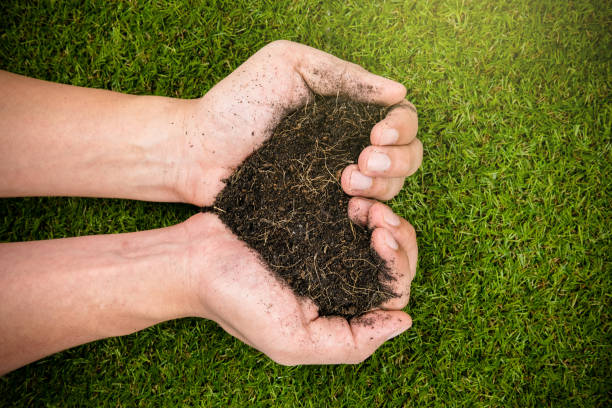
Your lawn is older than it looks. Beneath all that green is soil that’s been changing for years, slowly losing the qualities that once made it brilliant. And if you’ve noticed your grass looking a bit tired lately, the soil is probably the culprit, not your gardening skills.
The good news is that ageing soil isn’t a death sentence for your lawn. It just means your old routine needs updating. Here’s how to read the signs and actually do something about them.
Understand What’s Happening Underground
Before you change anything, it helps to understand why the soil ages in the first place.
Over time, soil gets compacted from foot traffic, rainfall, and regular mowing. It stops breathing properly, nutrients get depleted, and the whole structure becomes less hospitable to grass roots.
Think of it like a sponge that’s been wrung out too many times. It still looks like a sponge. It just doesn’t work like one anymore.
Deal with Compaction Through Aeration
Now that you know what you’re working with, it’s time to address the most common problem in ageing soil: compaction.
When soil packs down tightly, grass roots can’t access water, air, or nutrients. So, your lawn starts to look patchy and stressed, especially after dry spells.
Don’t worry, though, because fixing this is easier than you’d expect. You just need to aerate the soil. A core aerator can pull small plugs of soil out of the ground, opening up channels for everything the roots need.
As for timing, autumn is the best window to do this in the UK, since the soil is moist and the grass is still actively growing.
If you’re not keen on turning it into a DIY project, you can always bring in a professional. That’s often the easier option, especially if you have a larger garden or your back has strong opinions about physical labour.
Many professional lawn maintenance services now include aeration as part of a seasonal package, so it’s worth asking rather than buying equipment you’ll use twice a decade.
Test Your Soil Before Throwing Money at It
Here’s where most people go wrong: they start buying fertilisers and treatments without knowing what the soil actually needs. That’s a bit like taking medicine without knowing what’s wrong with your body.
A basic soil test will fix this in no time. Grab a trowel, take samples from several spots around your lawn, and dig down about 15 centimetres. Mix everything together in a clean bucket, then send it off to a lab.
The results will tell you your pH level and which nutrients are running low. This way, you can give the soil exactly what it needs.
But how often should you do this? Once every two to three years is plenty for most lawns. If you’ve recently changed your lawn care routine or noticed sudden patches of poor growth, test sooner.
Feed the Soil with the Right Nutrients
Once you’ve got your soil test results, you can stop guessing and start improving your soil’s nutrient levels.
Most ageing soils are low in nitrogen, which is responsible for that rich, deep green colour. Phosphorus supports root development, while potassium keeps your plants healthy and stress-resistant.
The trick is to choose a fertiliser that actually matches what your soil is missing. A balanced slow-release fertiliser is a good starting point, but targeted products will do a better job if your results show a clear gap.
Apply your fertiliser in early spring to kickstart growth and again in autumn to help your lawn recover from summer. And no matter what you do, avoid fertilising in a heatwave; you’ll just burn your grass and waste the product.
Adjust Your Water Routine
Ageing, compacted soil doesn’t absorb water the same way it used to. So, while it may seem like a good idea, watering little and often can actually make things worse by encouraging shallow root growth.
Instead, switch to deep, infrequent watering. Aim for one or two sessions per week, getting moisture down to around 15 to 20 centimetres. This will encourage the roots to chase water deeper into the soil, making your lawn far more resilient during dry periods.
As for timing, water in the early morning to reduce evaporation. You can use a soaker hose or drip system to get water to the roots without soaking the surface and encouraging fungal problems.
Bring the Soil Back to Life with Organic Matter
If your soil has been depleted for years, nutrients alone won’t fully fix it. You also need to improve the structure, and that’s where organic matter makes a real difference.
A simple way to do this is by top dressing your soil with a thin layer of compost, around 2 to 3 centimetres, in early spring or autumn. It’ll help the soil hold onto water, add nutrients more naturally, and bring back the microbial activity that keeps everything ticking over.
Work it gently into the surface with a rake so it settles in without tearing up the grass. Keep it up, and you’ll start to see your soil fully recover instead of just getting a short-term boost that fades by the next season.
Choose Grass That Suits Your Soil
At this point, you’ve aerated, fertilised, watered smarter, and added organic matter. The final piece is making sure the grass variety you’re growing is suited to mature, lower-fertility soil.
Here are some good options that most homeowners find easy to maintain:
- Fine fescue. This is a solid choice if you want something low-maintenance. It handles drier conditions well and keeps a soft, healthy look without constant upkeep.
- Perennial ryegrass. If your lawn is patchy or worn, this is the one that gets things back on track quickly. It establishes fast, holds up well to foot traffic, and gives you visible results without a long wait.
- Chewing’s fescue. In cooler parts of the UK, this variety copes better with shade and lower temperatures. It keeps its shape and colour instead of struggling the moment the sun disappears.
- Microclover mix. In warmer or drier gardens, adding microclover into the mix can take some pressure off the soil. It naturally adds nitrogen, so you won’t have to rely solely on fertilisers.
Conclusion
Your lawn has been struggling in silence, and now you actually know why. You’ve tested for missing nutrients, added fertiliser, and adjusted your watering routine, giving your soil a fighting chance.
Stick with these habits, and within a season or two, you’ll have the kind of lawn that makes people slow down as they walk past.