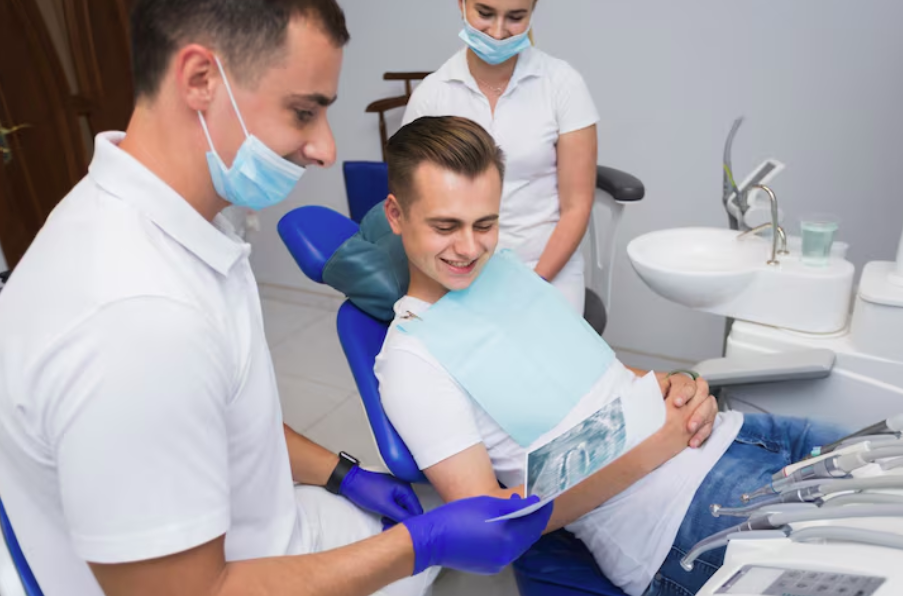
Your teeth carry you through every day. You use them to eat, speak, and smile, yet they often get attention only when they hurt. That delay leads to infections, extractions, and high bills. You deserve steady protection instead of emergency fixes. In this blog, you will learn 6 preventive dental tips straight from general dentists who see the same problems repeat in their chairs. The guidance comes from routine checkups, urgent visits, and long treatment plans that could have been avoided. You will hear what an experienced Santa Rosa family dentist wants every patient to know before pain starts. You will see how small daily choices protect your mouth, heart, and wallet. You will also learn what to ask at your next dental visit so you can leave with clear steps, not confusion. Your habits can change your future health, starting today.
1. Brush with purpose two times a day
You may brush every day and still leave plaque behind. Time and method matter. Brush two times a day for two full minutes. Use a soft toothbrush. Hard bristles scrape your gums and cause bleeding.
Use this pattern.
- Angle the bristles toward your gumline
- Use short strokes, tooth by tooth
- Clean the outer, inner, and chewing surfaces
You can use fluoride toothpaste from any store. Fluoride helps your enamel stay strong. The Centers for Disease Control and Prevention explains why fluoride prevents tooth decay in public water and toothpaste. You can read more at CDC community water fluoridation.
2. Floss once a day and clean between teeth
Most cavities start between teeth. A toothbrush cannot reach that space. Flossing breaks up plaque and food that feed decay and gum disease.
Use this simple routine.
- Use about 18 inches of floss and wrap it around your fingers
- Slide the floss between teeth with gentle pressure
- Curve it into a C shape along each tooth
- Move it up and down under the gumline
If floss is hard for you, you can use floss holders or small brushes that fit between teeth. The method matters less than daily contact with those hidden spaces.
3. Choose tooth-friendly drinks and snacks
What you sip all day shapes your teeth more than what you brush at night. Sugar and acid eat away at enamel and feed bacteria. Frequent small snacks do the same.
Common drinks and their effect on teeth
| Drink | Sugar content | Acid level | Impact on teeth |
|---|---|---|---|
| Water | None | Low | Rinses teeth and supports enamel |
| Unsweetened milk | Natural milk sugar | Low | Helps teeth when part of meals |
| Soda | High | High | Raises decay risk and weakens enamel |
| Sports drinks | High | High | Bathes teeth in sugar and acid |
| Fruit juice | High | Medium | Causes decay when sipped over time |
Try this rule of three.
- Choose water as your main drink
- Save sweet drinks for short times with meals
- Limit sticky snacks like gummies and crackers
Even small shifts, like switching one soda a day to water, help your mouth and body.
4. See your dentist on a regular schedule
You may feel fine and still have deep decay or gum disease. Pain often shows up late. Regular checkups catch silent problems early when treatment is simple and low cost.
Most people need a visit every six months. Some need more visits due to diabetes, pregnancy, smoking, or past gum disease.
During a visit, your dentist and hygienist will usually
- Check teeth, gums, and soft tissue
- Look for signs of oral cancer
- Clean away hard tartar you cannot brush off
- Review home care and answer questions
The National Institute of Dental and Craniofacial Research explains common dental diseases and why early care matters. You can learn more at NIDCR tooth decay information.
5. Protect teeth during sports and at night
One fall on the court can break a front tooth. One tight jaw at night can crack molars. You can prevent both with simple guards.
Use a mouthguard during any contact sport. That includes soccer, basketball, football, hockey, and martial arts. You can buy one in a store or ask your dentist about a custom guard that fits better and feels steadier.
If you wake with jaw pain, headaches, or sore teeth, you may grind or clench at night. A night guard spreads the pressure and protects the enamel. Talk with your dentist about signs of grinding. Early use of a guard can prevent broken teeth and root canals.
6. Build small daily habits for your whole family
Children learn from what they see. Your habits shape theirs. Strong routines at home reduce fear and confusion at the dentist later in life.
Use these three steps.
- Brush and floss together, morning and night
- Set a timer or use a song to reach two minutes
- Use rewards that do not involve food, such as a story or game
Start dental visits by age one or within six months of the first tooth. Keep the tone calm. Explain that the dentist counts teeth and checks the mouth, just like a doctor checks the body. Regular visits turn fear into trust.
Simple choices today prevent pain tomorrow
Prevention is not complex. You brush with purpose. You clean between your teeth. You choose water and limit sugar. You wear guards when needed. You see your dentist on a set schedule. You build steady family routines.
These steps protect more than your smile. Gum disease is linked to heart disease and diabetes. By caring for your mouth, you support your whole body. You also avoid sudden bills and rushed visits that drain your energy and time.
At your next appointment, ask three questions.
- What spots am I missing when I brush and floss
- How often should I schedule cleanings for my mouth
- What is one change I can make this week to protect my teeth
Your dentist sees patterns every day. Use that insight to guard your own health. Your teeth work hard for you. Give them steady care in return.