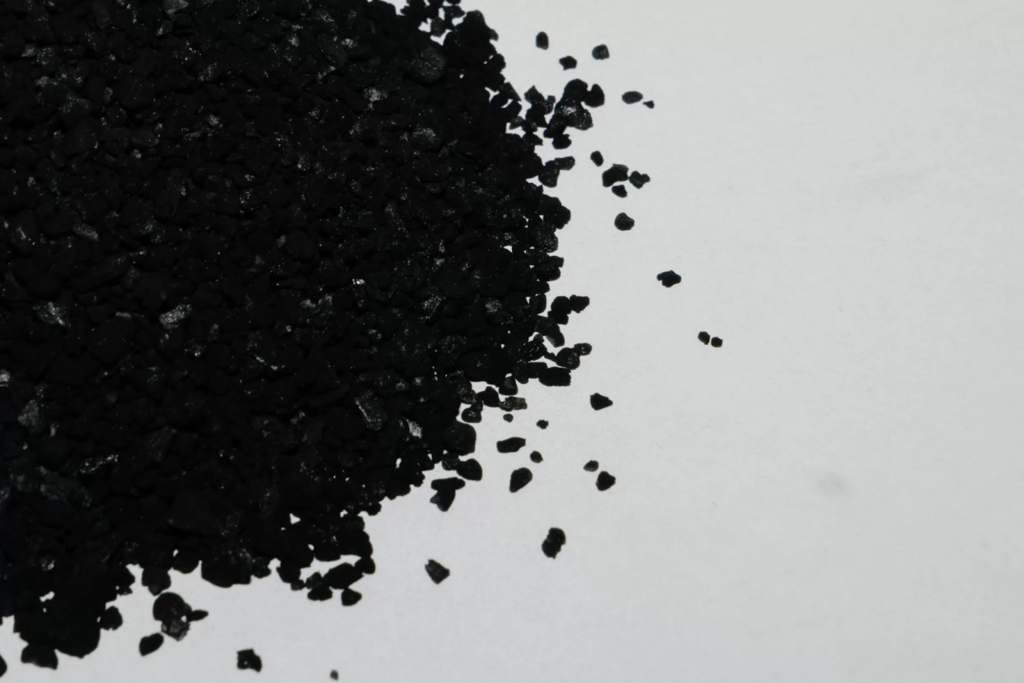
Clean and safe water is essential for households, industries, and communities, which is why advanced filtration methods play such a critical role in modern water treatment. Many engineers and facility managers choose Australian Activated Carbon from James Cumming when designing or upgrading filtration systems because of its effectiveness in removing contaminants and improving water quality. Activated carbon has become one of the most widely used filtration media due to its ability to adsorb impurities that other treatment methods may not fully eliminate.
From drinking water production to industrial wastewater treatment, activated carbon enhances water clarity, taste, and safety. Understanding how it works and why it is so effective helps explain why it remains a cornerstone of water treatment processes around the world.
Understanding What Activated Carbon Is
Activated carbon is a highly porous material produced from carbon-rich sources such as coal, coconut shells, or wood. Through a specialised activation process, the carbon develops millions of tiny pores that dramatically increase its surface area. This enormous surface area allows activated carbon to attract and hold a wide range of contaminants.
In water treatment applications, this porous structure is what makes activated carbon so effective. It provides countless sites where impurities can attach, allowing cleaner water to pass through the filtration system.
How Adsorption Removes Contaminants From Water
Unlike absorption, where substances dissolve into a liquid, activated carbon works through adsorption. This process involves contaminants bonding to the surface of the carbon particles. Organic compounds, chlorine, chemicals, and odours are drawn to the carbon’s surface and trapped within its pores.
This mechanism allows activated carbon to remove substances that may not be captured through sediment filtration or basic chemical treatments, making it an essential component in advanced water purification.
Improving Taste and Odour in Drinking Water
One of the most noticeable benefits of activated carbon filtration is improved taste and odour in drinking water. Chlorine and chloramine, commonly used for disinfection, can leave an unpleasant smell or flavour.
Activated carbon effectively removes these compounds, resulting in water that tastes cleaner and fresher. This improvement is particularly important for municipal water supplies and bottled water production.
Removing Organic Chemicals and Pollutants
Activated carbon is highly effective at removing organic chemicals such as pesticides, herbicides, and industrial solvents. These contaminants can enter water sources through agricultural runoff, manufacturing processes, or environmental pollution. By adsorbing these substances, activated carbon reduces health risks and helps water treatment facilities meet strict quality standards.
Supporting Industrial Water Treatment Processes
Many industrial processes rely on high-quality water for manufacturing, cooling, or cleaning. Activated carbon filtration helps remove contaminants that could interfere with production or damage equipment. In industries such as food and beverage, pharmaceuticals, and chemical manufacturing, maintaining water purity is critical for product quality and regulatory compliance.
Enhancing Wastewater Treatment and Environmental Protection
Activated carbon is also widely used in wastewater treatment to remove pollutants before water is released back into the environment. It helps capture organic compounds, colour, and odorous substances that may remain after primary and secondary treatment stages. This additional filtration step protects ecosystems and supports sustainable water management practices.
Granular vs Powdered Activated Carbon in Water Treatment
Activated carbon is available in different forms, including granular activated carbon (GAC) and powdered activated carbon (PAC). GAC is commonly used in fixed-bed filters where water flows through carbon media, making it ideal for continuous treatment systems. PAC is often added directly to water during treatment processes and later removed through filtration. Each form serves a specific purpose depending on treatment goals and system design.
Improving Efficiency of Multi-Stage Filtration Systems
Activated carbon is frequently used alongside other filtration methods such as sand filtration, membrane systems, and chemical treatments. This multi-stage approach improves overall efficiency by addressing a wider range of contaminants. By acting as a polishing step, activated carbon ensures that remaining impurities are removed before water reaches its final use.
Supporting Compliance With Water Quality Standards
Water treatment facilities must meet strict regulatory standards to ensure safety for consumers and the environment. Activated carbon helps facilities achieve compliance by effectively removing regulated contaminants. Its reliability and proven performance make it a trusted solution for meeting evolving water quality requirements.
Longevity and Performance Considerations
The effectiveness of activated carbon depends on factors such as contact time, water flow rate, and contaminant load. Over time, the carbon becomes saturated and must be replaced or regenerated to maintain performance. Understanding these factors allows operators to design systems that maximise efficiency and ensure consistent water quality.
Sustainability and Environmental Benefits
Activated carbon contributes to sustainable water treatment by reducing the need for excessive chemical use and improving pollutant removal efficiency. High-quality carbon sourced responsibly supports environmentally conscious practices across industries. Its role in protecting water resources aligns with long-term sustainability goals.
Conclusion
Activated carbon plays a vital role in improving water treatment and filtration by removing contaminants that affect safety, taste, and environmental impact. Through its unique adsorption properties, it enhances drinking water quality, supports industrial processes, and protects natural ecosystems.
By incorporating activated carbon into water treatment systems, facilities can achieve higher purification standards, greater efficiency, and more reliable performance, making it an essential component of modern water management strategies.




1 thought on “How Activated Carbon Improves Water Treatment and Filtration”