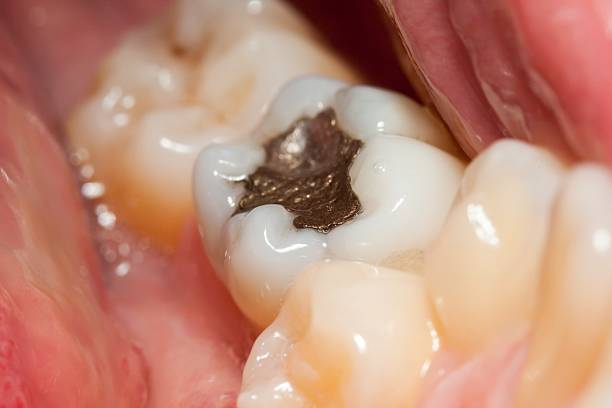
Some children brush and floss every day, yet still face constant cavities. Other children seem to coast by with few problems. This difference is not random. It comes from specific risks that you can see and change. This blog explains why some kids get more cavities than others, so you can protect your child’s teeth with clear steps. You will see how sugar habits, bedtime snacks, and sipping juice or soda affect your child’s mouth. You will learn how saliva, mouth bacteria, and even breathing through the mouth can change cavity risk. You will also see how family history and certain health conditions raise the chance of decay. If you already use pediatric dentistry in Greenwich Village, NYC, or plan to, this guide helps you ask sharper questions and push for the right care. Your child deserves fewer fillings and more pain-free checkups.
How Cavities Form In A Child’s Mouth
Cavities start with three simple pieces. Teeth. Sugar. Time. Harmful bacteria in the mouth eat sugar and turn it into acid. That acid slowly eats the hard outer shell of the tooth. Over time, a soft spot forms. That spot becomes a cavity.
Every child has mouth bacteria. Every child eats some sugar. The difference comes from how often sugar hits the teeth, how strong the tooth surface is, and how well the mouth clears food and acid.
You can change many of these pieces. That is why some children who start with a high risk can still grow up with strong teeth.
Diet Habits That Raise Cavity Risk
What your child eats and drinks can hurt or protect teeth. Three patterns matter most.
- How often your child snacks
- What your child snacks on
- What your child drinks between meals
Each time your child eats or sips sugar, acid attacks the teeth for about 20 minutes. Frequent snacking means the teeth never get a rest. Sticky snacks cling to teeth. Sugary drinks bathe every surface. Even 100 percent juice can cause decay when sipped all day.
You can learn more about sugar and child teeth at the National Institute of Dental and Craniofacial Research page on children’s oral health at https://www.nidcr.nih.gov/.
Tooth Strength, Enamel, and Fluoride
Some children are born with weaker enamel. Teeth may look normal yet chip or wear fast. These teeth decay more easily. Other children have enamel that formed well and resists acid longer.
Fluoride protects enamel. It makes the tooth surface harder. It also helps repair early damage before a full cavity forms. Children who drink fluoridated tap water, use fluoride toothpaste, and receive fluoride varnish treatments have fewer cavities.
You can check if your local water has fluoride using tools from the Centers for Disease Control and Prevention at https://www.cdc.gov/fluoridation/index.html.
Saliva, Mouth Breathing, and Dry Mouth
Saliva is the quiet helper in your child’s mouth. It washes away food. It neutralizes acid. It brings minerals that repair early damage. When saliva flow is low, cavities spread faster.
Dry mouth can come from:
- Mouth breathing during sleep
- Chronic stuffy nose
- Some medicines for allergies or behavior
You may notice cracked lips, bad breath, or a child who always wants water at night. These are warning signs. Mouth breathing also keeps the mouth open, so teeth dry out and acid sits longer.
Oral Hygiene Habits And Daily Routines
Brushing and flossing still matter. Yet many children do not brush well enough. Some move the brush fast without touching the gumline. Others use toothpaste without fluoride. Some skip night brushing when they feel tired.
Here are three steps that lower risk:
- Brush two times each day with a pea-sized amount of fluoride toothpaste
- Help your child brush until at least age 8
- Floss once every day where teeth touch
Night brushing is especially important. Saliva flow drops during sleep. Food and acid stay on teeth longer. A clean mouth at bedtime cuts that damage.
Family History, Health Conditions, and Medicines
Some families struggle with cavities across many generations. Shared habits play a part. Shared bacteria also play a part. Caregivers can pass cavity-causing bacteria to infants through shared spoons or cleaning pacifiers with their own mouth.
Health conditions can change risk. Children with diabetes, reflux, or special health care needs often face higher decay rates. Some medicines are sweet or cause dry mouth. Liquid medicines that coat the teeth at night are a common problem.
If your child takes daily medicine, ask the prescriber and dentist three questions. Is there a sugar-free form? Can the dose be earlier in the day? Can you rinse or brush after the dose?
Social Factors And Access To Care
Cavities are common in children from every income level. Yet they hit harder in families with less access to care. Long gaps between checkups mean early spots become deep holes. Lack of fluoride in water or toothpaste makes things worse. Crowded homes and food insecurity can push sweet, cheap snacks.
Regular checkups give a chance to catch early decay, place sealants, and teach simple routines. Waiting until a child feels pain often leads to root canals or extractions. That pain affects sleep, school focus, and mood.
Comparison Of Key Cavity Risk Factors
| Risk Factor | Low Risk Pattern | High Risk Pattern |
|---|---|---|
| Snacking | Two or three set snacks each day | Frequent grazing through the day |
| Drinks | Mainly water and milk at meals | Juice or soda sipped between meals |
| Brushing | Two times daily with fluoride paste | Once daily or rushed brushing |
| Fluoride | Fluoridated water and varnish | No fluoride in water or toothpaste |
| Saliva | Nasal breathing and good hydration | Mouth breathing and chronic dry mouth |
| Dental Visits | Checkup every six months | Visits only when in pain |
Practical Steps You Can Start Today
You can lower your child’s cavity risk with three simple moves.
- Limit snacks to set times. Offer water between meals.
- Switch to fluoride toothpaste if your child can spit.
- Schedule a dental checkup if it has been more than six months.
If you feel judged or blamed by past providers, that hurt can linger. Still, your child’s mouth can heal. Each small change shifts risk. Each visit where your child leaves without pain builds trust and calm. You do not need perfection. You need steady steps and clear support.