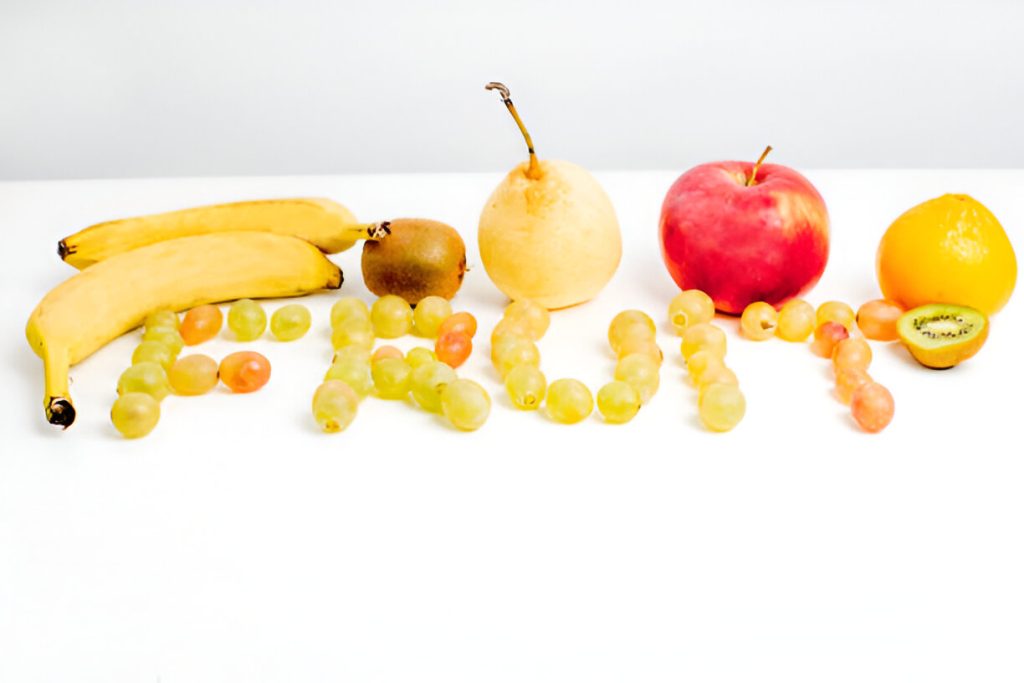
Fruits are nature’s powerhouses—rich in vitamins, minerals, fiber, and antioxidants. While they are undoubtedly a vital part of a healthy diet, some nutrition experts and wellness enthusiasts believe that fruit should be eaten separately from other foods for better digestion and nutrient absorption. But is there science behind this idea, or is it just another health myth? Let’s explore the reasons behind this belief and whether eating fruit alone truly matters.
The Theory Behind Eating Fruit Separately
The idea of eating fruit on an empty stomach or separate from other meals comes from the belief that fruit digests faster than other foods. Here’s the rationale:
- Fruits are primarily made of simple sugars and water, so they move quickly through the digestive system.
- When combined with heavier foods like proteins or fats, fruits may stay longer in the stomach, leading to fermentation, bloating, or gas.
- Eating fruit alone allows it to pass through the stomach efficiently, maximizing energy and nutrient absorption.
This concept is especially popular in Ayurveda and certain forms of natural hygiene nutrition philosophies.
Potential Benefits of Eating Fruit Separately
1. Improved Digestion
Some people report feeling lighter and less bloated when they eat fruit on its own. This may be due to faster gastric emptying when fruit isn’t mixed with slower-digesting foods.
2. Better Nutrient Absorption
Vitamin C and antioxidants in fruit are delicate and may be better absorbed without interference from fat-heavy or protein-rich meals.
3. More Stable Energy
Eating fruit alone, especially in the morning, can provide a quick and clean energy boost without the sluggishness that may come from heavier meals.
Common Arguments Against It
While many wellness circles advocate for eating fruit separately, mainstream nutrition science does not strongly support this approach for most people.
- The human digestive system is fully capable of digesting mixed meals.
- There is no clinical evidence showing that fruit ferments or causes harm when eaten with other foods in healthy individuals.
- In fact, pairing fruits with protein, fat, or fiber can slow the absorption of sugars, preventing blood sugar spikes.
So, while some people may feel better eating fruit alone, it’s not essential for everyone.
When It Might Be Useful
Though not necessary for all, certain individuals may benefit from eating fruit separately:
- People with digestive issues like bloating, IBS, or acid reflux
- Those following Ayurvedic or specific natural health diets
- Individuals sensitive to high-sugar fruits when eaten with dense meals
Best Times to Eat Fruit
If you’re considering eating fruit separately, here are some recommended times:
- First thing in the morning – for a natural energy boost
- As a mid-morning or afternoon snack – to curb cravings
- Before meals – to avoid mixing with proteins and fats (if following food-combining rules)
Avoid eating fruit immediately after large meals, especially if you experience bloating, as it may sit in the stomach longer.
Conclusion
Eating fruit separately isn’t a hard rule, but rather a personal choice that may benefit certain individuals. While your body can generally handle mixed meals just fine, you might feel more comfortable and energized by having fruit on its own. Listen to your body, experiment with timing, and choose what makes you feel your best—because that’s what truly matters in any diet.



