You might have noticed your mouth feeling dry more often, or that food does not taste quite the same, or that you suddenly seem to get more cavities than you used to. It can feel confusing and a bit unfair. You brush, you floss, you try to do the “right” things, yet your teeth and gums still seem to struggle. That is usually the moment someone quietly wonders, “Is something wrong with my saliva?” A visit to a dentist in West Chester, OH can help you find answers and relief.
Here is the short version of what you need to know. Saliva is not just “spit.” It is your mouth’s built-in cleaning and repair system. It washes away food, neutralizes acids, helps prevent cavities and gum disease, and even supports taste and speech. When saliva is healthy and flowing, your mouth usually feels comfortable and protected. When saliva is low or thick or “off,” problems tend to pile up. The good news is that once you understand why saliva plays such an important role in oral health, you can take simple steps to protect it and support your whole mouth.
Why does saliva matter so much for your teeth and gums?
It helps to picture your mouth as a small, busy ecosystem. Every time you eat or drink, especially sugary or acidic foods, bacteria in your mouth produce acids that attack your teeth. On its own, that acid would slowly weaken your enamel and set you up for cavities and sensitivity.
This is where healthy saliva for oral health steps in. Saliva does several quiet jobs at once. It rinses away food particles that bacteria love to feed on. It brings minerals like calcium and phosphate back to the surface of your teeth so tiny areas of damage can repair. It contains natural buffers that neutralize acid, which helps your mouth return to a safer pH level after meals. It also carries protective proteins and antibodies that support your gums.
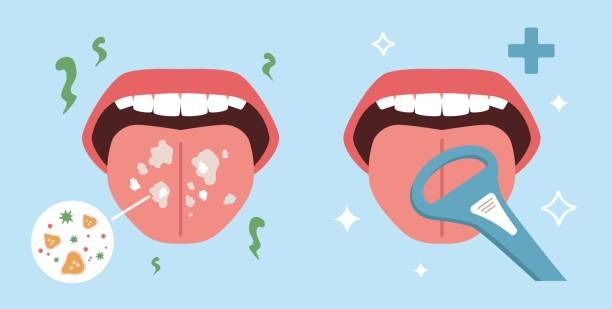
So what happens when saliva slows down or changes? You might notice constant dryness, trouble swallowing dry foods, sticky lips, a burning sensation, bad breath, or a fuzzy feeling on your tongue. Teeth can start to decay at the gumline. Dentures may rub and cause sore spots. Small problems that would normally heal may linger.
Because of this, you might wonder whether your mouth is just “getting older” or whether something more serious is happening.
When dry mouth becomes more than a small annoyance
Dry mouth, also called xerostomia, can show up for many reasons. Common causes include medications for blood pressure, allergies, depression, anxiety, or pain. Cancer treatments, especially radiation to the head and neck, can affect the salivary glands. Certain health conditions, like diabetes or autoimmune diseases, can change saliva quantity or quality. Even breathing through your mouth or using a CPAP machine at night can make things worse.
For many older adults, it sneaks up slowly. A pill is added here, another there, and over time the combined effect is less saliva. According to research on dry mouth in older adults, this is very common, and it often goes unmentioned because people assume it is just part of aging. It is understandable to feel frustrated if no one has ever explained how much your saliva affects your oral health.
Imagine two different mornings. In the first, you wake with a comfortable mouth. You can eat toast without needing a drink between every bite. Your tongue glides over your teeth, and your breath feels reasonably fresh. In the second, your tongue sticks to the roof of your mouth. Toast feels like sandpaper. You sip water constantly, yet your mouth still feels dry and sore. The second morning is not just uncomfortable. Over time, that ongoing dryness can raise your risk of cavities, gum disease, and oral infections like thrush.
So where does that leave you if you suspect your saliva is not doing its job?
Comparing “ignore it” vs “address it” when saliva is low
It can be tempting to shrug and think, “It is just dryness, I will drink more water.” Water helps, but it does not replace saliva. Understanding the tradeoffs between ignoring saliva issues and taking action can help you choose your next step with more confidence.
| APPROACH | SHORT-TERM EXPERIENCE | LONG-TERM EFFECT ON ORAL HEALTH | TYPICAL COSTS |
| Ignore ongoing dry mouth | Persistent discomfort. Need to sip water often. Possible burning or sore mouth. | Higher risk of cavities, gum disease, mouth infections, denture problems, and tooth loss. | Lower now, but potential for higher future costs for fillings, crowns, or extractions. |
| Address saliva problems early | Some effort to adjust habits and see a general dentist. May need new products or medication changes. | Better protection for teeth and gums, fewer new cavities, more comfort eating and speaking. | Some cost for visits and products, but lower risk of major restorative work later. |
| Work with dentist and doctor together | More conversations about medications and health conditions. Feels more “involved” at first. | Best chance to improve saliva flow, reduce side effects, and protect both oral and overall health. | Similar to addressing saliva early, with potential savings by preventing serious problems. |
Many people find that once they talk openly about saliva with their dental team, fear starts to drop. You move from feeling like your mouth is failing you to understanding that your saliva simply needs some support.
What can you do today to support healthy saliva?
There is no single fix that works for everyone, yet there are reliable steps that almost always help. Think of these as small levers you can pull to protect the role of saliva in oral health care.
1. Have an honest conversation with your dentist and doctor
Start by making a list of your medications, including over the counter drugs and supplements. Bring this list to your next dental visit and be very direct about your symptoms. Say things like “My mouth feels dry all day” or “I am getting more cavities than I ever did before.” Clear, specific descriptions help your dentist spot saliva issues quickly.
Your dentist may recommend more frequent checkups, prescription fluoride, or saliva supporting products. With your permission, they may also write to your physician to ask if any medications can be adjusted to reduce dry mouth. Many healthcare providers are becoming more aware of xerostomia, especially as research and patient guides, such as this American Dental Association xerostomia resource, highlight its impact.
2. Build small daily habits that protect saliva
Simple daily choices can either strain your saliva or support it. Try to sip plain water regularly through the day, instead of only during meals. Chew sugar free gum with xylitol after eating to gently stimulate saliva flow. Limit sugary drinks and frequent snacking, which keep your mouth under constant acid attack.
Use a soft toothbrush and fluoride toothpaste, and ask your dentist whether you would benefit from a high fluoride toothpaste or a fluoride rinse at night. Avoid mouthwashes that contain alcohol, since they can dry your mouth further. If your bedroom is dry, a cool mist humidifier at night can make mornings more comfortable.
3. Explore saliva substitutes and targeted products
If natural saliva flow is low, especially after certain medical treatments, your dentist may suggest saliva substitutes, gels, or specially formulated rinses for dry mouth. These do not replace your own saliva completely, yet they can ease discomfort and lower your risk of decay.
Look for products designed specifically for dry mouth rather than regular cosmetic mouthwashes. Some people do well with gels applied before sleep. Others prefer sprays during the day. This is often a bit of trial and error. Giving yourself permission to experiment until you find what feels best can make a big difference in your comfort.
Moving forward with more clarity and less worry
If you have been feeling embarrassed about your breath, tired of constant dryness, or discouraged by new dental problems, you are not alone. Many people go years without anyone explaining how strongly saliva shapes their oral health. Once you understand that your mouth is not “just getting worse,” it is responding to changes in saliva, the path forward becomes clearer.
You do not have to fix everything overnight. Start with one step. Talk openly with your dental team. Adjust one daily habit to be kinder to your saliva. Try one product that supports moisture and protection. Each small change helps your mouth work closer to the way it is meant to, with saliva quietly guarding your teeth and gums in the background.
Your saliva is part of your body’s natural defense system. When you protect it, you are not only caring for your teeth. You are supporting your comfort, your confidence, and your overall health every single day.



