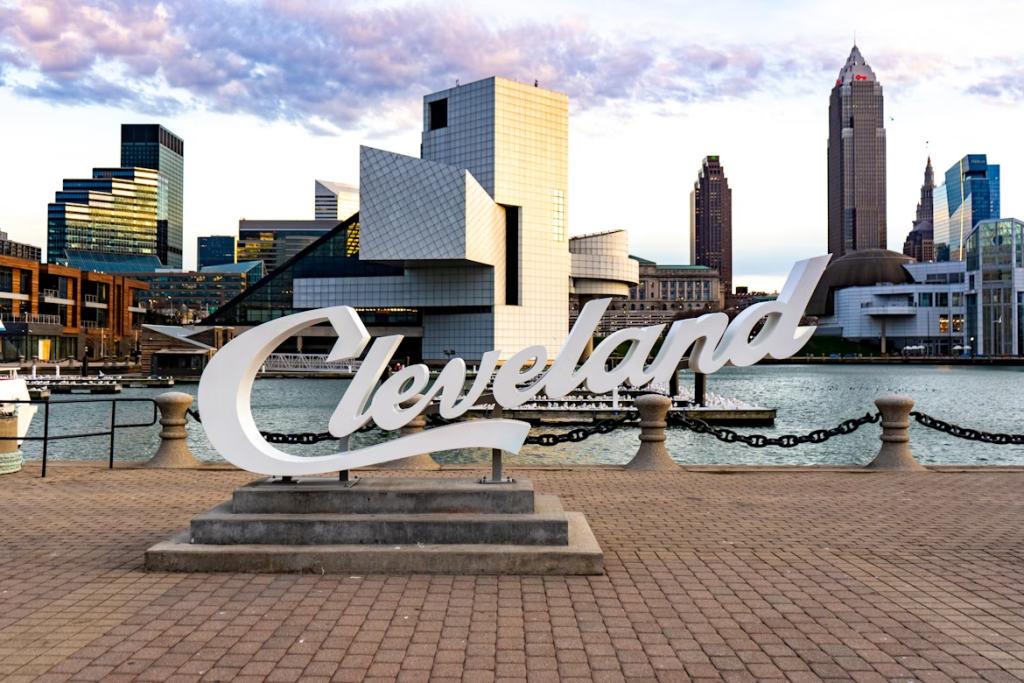
Cleveland, Ohio is more than just a single city—it’s the vibrant center of a large and historically rich metropolitan region known as the Cleveland-Elyria Metropolitan Statistical Area (MSA). Whether you’re considering a move for work, family, or lifestyle, understanding the full scope of the Cleveland metropolitan area can help you find your ideal community, navigate local culture, and make smart decisions about housing, transportation, and recreation.
This article introduces the geography, neighborhoods, economy, and lifestyle offerings that define this often underestimated Midwest metro.
Understanding The Cleveland Metropolitan Area
At its core the Greater Cleveland, Ohio metropolitan area refers to a population and economic zone centered on the city of Cleveland, located in northeast Ohio along Lake Erie. The U.S. Office of Management and Budget officially defines the metro as the Cleveland–Elyria MSA, which consists of five counties: Cuyahoga, Lorain, Lake, Medina, and Geauga. The total population is just over 2 million people, making it the 33rd largest metro area in the United States.
This region blends historic urban neighborhoods with tree-lined suburbs, industrial corridors with revitalized waterfronts, and cultural institutions with vast park systems. It’s a place where affordability meets access, where diverse communities thrive, and where sports, arts, and innovation co-exist.
Key Counties And Communities
Each county within the metro contributes something unique, offering a range of living experiences:
Cuyahoga County
Cleveland proper lies in Cuyahoga County, the region’s economic and cultural core. Here, you’ll find downtown Cleveland, world-class hospitals like the Cleveland Clinic, the Rock & Roll Hall of Fame, professional sports venues, and major employers. The city is surrounded by older inner-ring suburbs such as Lakewood, Cleveland Heights, Parma, and Shaker Heights—each with its own character, architecture, and amenities.
Lorain County
West of Cuyahoga, Lorain County offers more space and affordability. The cities of Elyria and Lorain are anchors here, while smaller towns like Avon and North Ridgeville have seen rapid suburban growth. Lake access, good schools, and proximity to Interstate 90 make it a popular choice for commuters.
Lake County
To the east of Cleveland, Lake County includes Mentor, one of the region’s largest suburbs, along with lakeside communities like Willoughby and Painesville. It blends residential comfort with lakefront parks, marinas, and easy highway access to Cleveland.
Medina County
This is where exurban life meets suburban convenience. Cities like Medina and Brunswick offer newer housing developments, good school districts, and plenty of green space. It’s ideal for families seeking space without giving up access to Cleveland’s job market.
Geauga County
Known for its rural charm and strong Amish presence, Geauga County is northeast Ohio’s most nature-filled escape. Communities like Chardon and Bainbridge offer a slower pace, forested properties, and a short drive to tech and healthcare jobs in the east suburbs.
Job Market And Major Industries
The Cleveland metro economy has undergone a significant shift in recent decades. Once defined by steel and heavy manufacturing, today’s workforce is powered by healthcare, finance, education, advanced manufacturing, and tech innovation.
- Healthcare: The Cleveland Clinic and University Hospitals are two of the largest employers in Ohio. Together, they anchor a robust health and biosciences ecosystem.
- Manufacturing: Cleveland still has a strong industrial base, especially in aerospace components, polymers, and precision tools.
- Finance and Legal: KeyBank is headquartered in Cleveland, and the city hosts major legal firms and insurance providers.
- Tech and Startups: A growing tech scene, supported by incubators like JumpStart and StartMart, is bringing energy to downtown and university areas.
If you’re job-hunting, Cleveland offers surprising depth in high-demand sectors with a cost of living nearly 20% below the national average.
Housing And Affordability
One of Cleveland’s strongest appeals is its affordable housing market. Whether you want a lakeside apartment, a downtown loft, a suburban home, or a historic Tudor-style house, prices here stretch farther than in most U.S. metros.
- Median home price in the metro: ~$190,000
- Median rent for a 2-bedroom: ~$1,100/month
First-time buyers find Cleveland attractive for getting more square footage, yard space, and neighborhood amenities at lower prices than comparable cities.
Cleveland also has diverse housing options—from condos in The Flats and Ohio City to family homes in Strongsville, Rocky River, or Solon. The rental market is robust, especially in areas near hospitals, universities, and revitalized neighborhoods.

Transportation And Commute
Getting around the Cleveland metropolitan area is manageable by car, transit, and even bike in some areas. The Greater Cleveland Regional Transit Authority (RTA) operates buses, light rail, and commuter rail, primarily serving Cleveland and the inner-ring suburbs.
- Commute times average 25–30 minutes.
- Interstate access is excellent, with I-90, I-71, I-77, and I-480 linking the entire region.
- Cleveland Hopkins International Airport provides direct flights to major U.S. hubs and some international destinations.
While public transportation is strongest in central Cleveland, car ownership is necessary in most suburbs and exurbs.
Culture, Sports, And Recreation
Cleveland punches far above its weight when it comes to cultural assets. Newcomers are often surprised by the depth of its arts, food, and entertainment scene.
- Museums: The Cleveland Museum of Art, the Museum of Natural History, and the Great Lakes Science Center offer world-class exhibits.
- Music & Performing Arts: The Cleveland Orchestra is globally renowned, and Playhouse Square is the second-largest performing arts center in the U.S.
- Sports: Home to the Cleveland Browns (NFL), Cleveland Guardians (MLB), and Cleveland Cavaliers (NBA), the region is fiercely loyal to its teams.
- Dining: From James Beard-nominated chefs to Polish bakeries, soul food kitchens, and pierogi festivals, the food culture reflects the city’s immigrant roots and creative revival.

Endnote
When you’re a healthcare professional, remote tech worker, artist, young family, or retiree, the Cleveland metropolitan area offers affordable living, cultural depth, and diverse lifestyle choices. It’s a region that values both tradition and innovation—and it continues to evolve.
For newcomers seeking a balance of city life, career opportunity, natural beauty, and real estate value, Cleveland delivers in ways that may surprise you. It’s not just about moving to Cleveland—it’s about discovering a region ready to welcome you home.