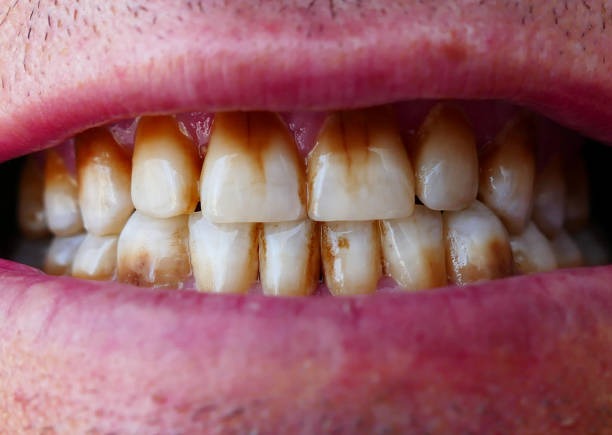
A bright, white smile has long been associated with health, confidence, and vitality. But for many people, discoloration and stains on their teeth seem inevitable, regardless of how often they brush or visit the dentist. So what causes our teeth to lose their sparkle? And more importantly, what can we do to prevent or reverse it?
Whether you’re considering teeth whitening Belleville or just curious about why stains develop in the first place, this article breaks down the science of stained teeth—and how to maintain a naturally whiter smile.
The Science Behind Tooth Color
Before diving into the causes of staining, it helps to understand what gives teeth their natural color.
Teeth are composed of several layers, with the outermost being enamel—a hard, translucent layer that protects the inner dentin. Enamel is naturally white to bluish-white, but because it’s slightly see-through, the yellowish dentin underneath can influence your tooth’s overall shade. When enamel wears down or becomes stained, the dentin’s color can become more visible, leading to a dull or yellowish appearance.
Tooth discoloration typically falls into two main categories: extrinsic (surface-level) and intrinsic (internal) stains.
Daily Habits That Stain Your Teeth
Some of the most common causes of tooth staining are the things we eat, drink, and do every day—often without even thinking twice.
Coffee, Tea, and Red Wine
These beverages are notorious for staining teeth, largely due to the presence of chromogens—pigmented compounds that easily adhere to enamel. Tannins, found in tea and red wine, enhance the ability of these chromogens to bind to your teeth, making the discoloration worse.
While you don’t need to eliminate these drinks entirely, being mindful of how often you consume them—and rinsing with water afterward—can help reduce their impact.
Tobacco Use
Cigarettes, cigars, and chewing tobacco all contain nicotine and tar, which can quickly turn teeth yellow or even brown. Nicotine by itself is colorless, but when it’s exposed to oxygen, it turns yellow—and that pigment clings to enamel with stubborn persistence.
Tobacco stains are some of the most difficult to remove and often require professional intervention to reverse.
Dark-Colored Foods and Sauces
Foods like soy sauce, tomato sauce, blueberries, and balsamic vinegar are rich in color and acidity—both of which can contribute to extrinsic staining. Acid weakens enamel, making it easier for pigments to settle in.
Even healthy foods can affect your tooth color over time, especially if consumed frequently without counteracting habits like rinsing, chewing sugar-free gum, or brushing.
Poor Oral Hygiene
Skipping brushing, flossing, or dental cleanings allows plaque and tartar to accumulate. These not only dull the natural brightness of your teeth but can also trap stains more easily. Consistent oral hygiene plays a critical role in keeping teeth white and preventing buildup that accelerates discoloration.
Lesser-Known Causes of Tooth Discoloration
Not all stains are caused by external habits. In many cases, deeper factors are at play—ones that require a more nuanced understanding and approach.
Aging
As we age, enamel naturally thins from years of wear and tear, revealing more of the yellowish dentin underneath. Additionally, our teeth are exposed to more stain-causing substances over time, gradually leading to a darker appearance.
While aging is inevitable, regular dental care and stain prevention strategies can slow the process.
Medications and Medical Treatments
Certain medications can cause intrinsic staining. For example, tetracycline and doxycycline—antibiotics commonly used in childhood—can discolor teeth if taken while enamel is still developing. Similarly, antihistamines, blood pressure medications, and some chemotherapy treatments have been linked to staining.
Radiation and chemotherapy in the head and neck area can also cause enamel discoloration.
Fluorosis
Fluoride is beneficial for tooth enamel, but excessive exposure during childhood—especially when teeth are still forming—can lead to dental fluorosis. This condition causes white streaks or brown spots to appear on the teeth and is more common in areas with highly fluoridated water supplies.
Dental Trauma
An injury to a tooth can disrupt blood flow to the pulp or damage the inner layers, resulting in a gray or brown discoloration. This is more common in children but can affect adults as well, especially following sports injuries or accidents.
How to Prevent Teeth Stains: Practical Tips
Now that we’ve explored the causes of tooth discoloration, what can you do to prevent or minimize staining?
Rethink Your Diet
Limit your intake of highly pigmented foods and drinks. When you do indulge, try to follow up with water to help rinse away staining agents. Drinking beverages through a straw can also minimize contact with front teeth.
Add foods that support oral health, like crunchy fruits and vegetables (e.g., apples, carrots, celery), which help clean teeth naturally through mechanical action.
Maintain a Consistent Oral Hygiene Routine
Brush at least twice a day with a fluoride toothpaste, floss daily, and consider using a whitening mouthwash to help prevent surface stains. Replace your toothbrush every 3-4 months or sooner if the bristles are frayed.
Professional dental cleanings are also vital—they remove tartar buildup that can trap stains and dull your teeth.
Quit Smoking and Tobacco Use
Beyond the many health reasons to stop smoking, giving up tobacco is one of the most effective ways to prevent severe tooth discoloration. Nicotine replacement therapies and support programs can ease the transition.
Use a Reusable Straw for Dark Beverages
When drinking coffee, tea, or red wine, using a straw (especially for iced versions) helps minimize contact between the staining liquid and your enamel. While not a cure-all, it’s a helpful addition to your oral care routine.
Address Dry Mouth
Saliva plays a crucial role in protecting enamel and washing away stain-causing particles. If you experience dry mouth due to medications, medical conditions, or dehydration, consult your dentist about saliva substitutes or other treatments.
When Prevention Isn’t Enough
Despite your best efforts, some degree of staining may still occur over time. Fortunately, there are professional treatments and cosmetic options to help restore brightness to your smile.
Dental cleanings remove surface stains and tartar, while whitening procedures can tackle both extrinsic and some intrinsic discoloration. If your stains are deep or caused by trauma or medication, veneers or bonding may be a more suitable solution.
It’s important to speak with your dentist before pursuing whitening treatments, as not all types of stains respond the same way. Over-the-counter products can help in some cases, but professional guidance ensures both safety and effectiveness.