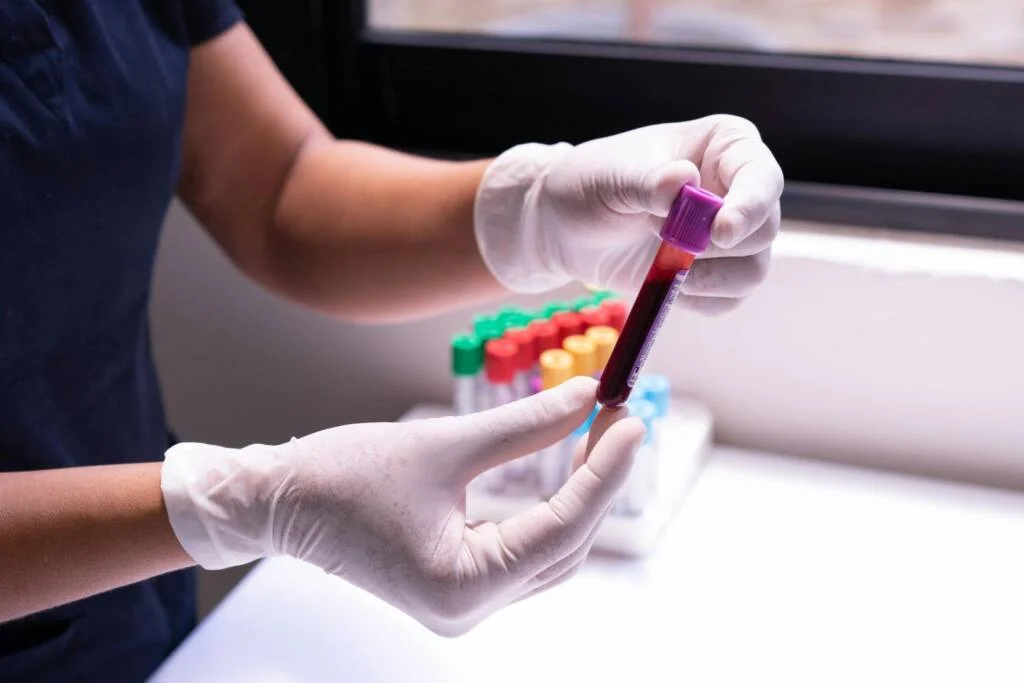
Taking action early will help you deal with them before they become too severe. Laboratory testing will allow doctors to spot various changes in the body, even when they may not yet be producing any symptoms. These tests will aid in a quicker diagnosis and treatment, regular monitoring, and more informed decisions.
In this article, we show you how routine lab tests can identify health problems early on, and why all of this testing is so important for your long-term health.
Early Health Screening is Essential
Did you know that early screening can help you avoid certain secondary complications of several diseases? Doctors use lab tests to check your organs, blood cells, hormones, and other parts of your body for survival functioning. These tests can help detect many issues before you have symptoms. It can also help cut down expensive hospital visits and medical bills in the future.
Blood Tests Support Preventive Care
These are some additional blood investigations and their output. They are CBC, Liver Function Tests (LFTs), Kidney Function Tests (KFTs), and blood sugar. They are used to detect infections, anemia, diabetes, inflammation, or other medical conditions. Doctors order this test during a general checkup because it can detect infections, blood disorders, and signs of inflammation.
Common Conditions Detected Through Blood Testing
Laboratory blood testing detects a range of severe problems. For instance:
- Nutritional deficiencies.
- A disease or health condition caused by nutrition.
- Diabetes and blood sugar imbalance.
- Infections and inflammation.
- Liver and kidney problems.
- Blood disorders and anemia.
Based on this information, Doctors will use these results to suggest lifestyle modifications, prescribe medication, or order further tests if needed.
The Role of Tumor Marker Testing in Early Detection
Tumor marker laboratory tests allow doctors to monitor for changes in the body that may be related to cancer. The CA 15-3 test is useful for monitoring some breast cancers and the reaction to therapy. These tests are not definitive for cancer, but assist with additional diagnostic procedures and ongoing monitoring. So, early screening is beneficial and allows for a faster response from the physician.
Laboratory Testing Supports Personalized Treatment
Based on the laboratory results, decisions are made about drugs, diet, exercise, and re-evaluation. This ensures that your treatment is tailored to meet your individual needs as effectively as possible. Your doctor can further monitor changes in your body by following your response to a new or existing medication. This also improves your safety.
Tips for Laboratory Testing as Part of Your Daily Schedules
Periodic testing is enhanced by maintaining comprehensive records alongside your health visits. You can enhance prevention with some uncompromising habits:
- Implement yearly health checks.
- Follow your doctor’s testing recommendations.
- Get a healthy life.
- Take a copy of the results for your own record.
- Ask questions about abnormal findings.
These small actions help you stay informed and proactive about your health.
Wrapping Up
Laboratory testing is crucial in identifying health problems early and offering a means of preventive care. The earlier a problem is diagnosed, the greater the chances of effective treatment and successful resolution. Preventive testing into your regular health maintenance activities so you can be proactive with your ongoing health needs.