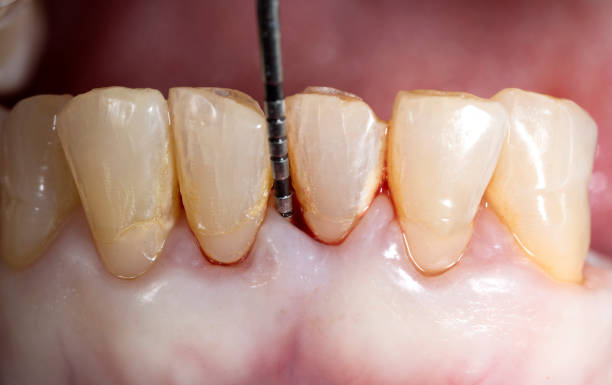
Your mouth never stays in one place. It affects your heart, lungs, blood sugar, and even your mood. Periodontal disease is not just bleeding gums. It is a chronic infection that can spread through your whole body. Each time your gums swell, bacteria and toxins can enter your bloodstream. This strain can raise your risk for heart disease, stroke, diabetes problems, and pregnancy issues. It can also weaken your immune system and slow healing. Many people ignore sore gums or loose teeth until the damage feels crushing. You do not need to wait. You can protect your health by learning how periodontal disease starts, what warning signs to watch, and when to see a periodontist in Bay Shore, New York. You can gain control over your mouth and protect your body with steady daily care, early treatment, and honest guidance from a trusted dental team.
What Periodontal Disease Really Is
Periodontal disease starts with plaque. Plaque is a sticky film of bacteria that builds on your teeth every day. If you do not remove it with brushing and flossing, it hardens into tartar. Tartar traps more bacteria along the gumline. Your gums then swell and bleed. This first stage is gingivitis.
If gingivitis continues, the infection moves deeper. Gums pull away from the teeth and form pockets. Bacteria fill these pockets and destroy bone and tissue. Teeth loosen and may fall out. This stage is periodontitis. At this point, the infection can move beyond your mouth.
You may not feel pain until the damage is severe. That silence can feel cruel. Pay attention to early signs and act fast.
Warning Signs You Should Never Ignore
- Gums that bleed when you brush or floss
- Red, puffy, or tender gums
- Bad breath that does not clear with brushing
- Receding gums that make teeth look longer
- Loose teeth or changes in your bite
- Pus between teeth and gums
Any one of these signs is a signal. Three or more signs call for urgent care. Early attention can protect both your mouth and your body.
How Gum Disease Connects To Your Whole Body
Your gums are full of blood vessels. When they are inflamed, bacteria and toxins can move into your bloodstream. Your immune system then reacts. That reaction can strain your heart, blood vessels, and organs.
Research from the National Institutes of Health shows links between periodontal disease and many health problems. You can read more from the National Institute of Dental and Craniofacial Research at this gum disease resource.
Here is a simple look at how one mouth problem can connect to other health problems.
| Health condition | How periodontal disease may affect it |
|---|---|
| Heart disease | Bacteria and inflammation may damage blood vessels and raise heart attack risk. |
| Stroke | Inflamed blood vessels and clots may increase stroke risk. |
| Diabetes | Gum infection can raise blood sugar and make diabetes harder to manage. |
| Pregnancy problems | Infection and inflammation may raise the risk of preterm birth and low birth weight. |
| Lung problems | Oral bacteria can be breathed into the lungs and may trigger infections. |
| Weakened immune system | Chronic infection can drain your body and slow healing. |
Heart Health And Periodontal Disease
Heart disease and gum disease share one main problem. That problem is inflammation. When your gums stay infected, your body releases chemicals that cause swelling in blood vessels. Over time, this can make arteries stiff and narrow. That change raises blood pressure and strain on your heart.
Studies suggest people with periodontal disease may have a higher risk of heart disease. The American Heart Association explains this link in more detail at its gum and heart disease page.
You cannot control every heart risk. You can control how you care for your gums. That choice matters.
Diabetes And Blood Sugar Control
Diabetes and periodontal disease feed each other. High blood sugar helps bacteria grow. That growth leads to more plaque and deeper gum pockets. In turn, gum infection makes it harder for your body to use insulin. Blood sugar then rises even more.
If you live with diabetes, gum care is part of your blood sugar plan. You should:
- Brush twice each day with fluoride toothpaste
- Floss once each day
- See your dentist at least two times each year
- Tell your dentist about your blood sugar control
Good gum care can lower infection and help your medicine work better. That relief can feel powerful.
Pregnancy, Hormones, And Gum Health
Hormone changes during pregnancy can make gums more sensitive. You may see more swelling and bleeding. If plaque is present, this can turn into periodontal disease faster.
Research links gum disease with higher risk of preterm birth and low birth weight. The science is still growing. Yet the pattern is clear enough to treat gum care as part of prenatal care.
If you are pregnant or planning pregnancy, you should:
- Schedule a dental checkup early
- Ask about safe cleanings during each trimester
- Keep brushing and flossing every day
Protecting your gums is one more way to protect your baby.
Everyday Steps To Protect Your Mouth And Body
You do not need special tools or complex routines. You need steady habits.
- Brush your teeth for two minutes, two times each day
- Use a soft brush and small circles along the gumline
- Floss once each day between every tooth
- Use an antimicrobial mouth rinse if your dentist suggests it
- Limit sugary drinks and snacks
- Drink water often
- Do not smoke or vape
- Visit your dentist at least every six months
If your dentist sees signs of periodontal disease, you may need deep cleaning. This treatment removes tartar and bacteria below the gumline. In some cases you may need care from a gum specialist.
When To See A Periodontist
See a periodontist if you have:
- Gums that bleed often
- Loose or shifting teeth
- Receding gums or root exposure
- Bone loss seen on dental X rays
- Gum disease that does not improve with regular cleanings
A periodontist can measure pocket depths, plan treatment, and help you keep teeth that might otherwise be lost. That support can restore a sense of safety and control.
Taking The Next Step For Your Health
Your gums are not separate from your heart, lungs, or blood sugar. They are part of one system. When you protect your mouth, you protect your whole body.
Start by watching for warning signs. Then keep regular dental visits and honest talks with your care team. Small daily choices can prevent infection, protect your organs, and support a longer, steadier life.