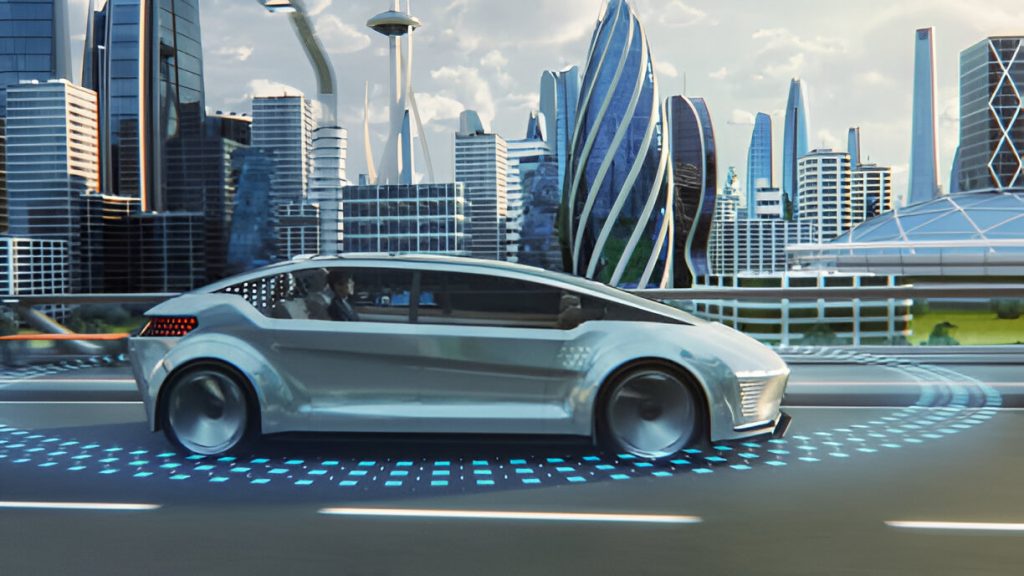
The rise of autonomous vehicles (AVs), also known as self-driving cars, marks a transformative shift in the transportation industry. Powered by artificial intelligence, machine learning, and advanced sensors, AVs are poised to redefine how people and goods move across cities and countries. Here’s a deep dive into what autonomous vehicles are, how they work, their benefits, challenges, and the future they promise.
What Are Autonomous Vehicles?
Autonomous vehicles are cars or trucks that can operate without human intervention. They rely on a combination of technologies such as:
- Lidar and Radar Sensors: Measure distances and detect objects around the vehicle
- Cameras: Provide a 360-degree view and help identify traffic signals, pedestrians, and road signs
- GPS and Mapping Systems: Offer precise location data and route navigation
- AI Algorithms: Make real-time driving decisions by processing input from sensors and cameras
These systems work together to enable the vehicle to understand its environment, make decisions, and drive safely.
Levels of Autonomy
The Society of Automotive Engineers (SAE) classifies AVs into six levels:
- Level 0: No automation. The driver is in full control
- Level 1: Driver assistance (e.g., adaptive cruise control)
- Level 2: Partial automation. The car can steer and accelerate but needs the driver’s supervision
- Level 3: Conditional automation. The car handles most tasks, but human intervention may still be required
- Level 4: High automation. No driver input needed in most situations
- Level 5: Full automation. The car can drive in all environments without human input
Most AVs today fall between Levels 2 and 4, with companies racing toward achieving full autonomy.
Benefits of Autonomous Vehicles
Enhanced Safety
Over 90% of road accidents are caused by human error. AVs can significantly reduce crashes by eliminating distracted or impaired driving.
Improved Traffic Flow
Self-driving cars can communicate with each other and follow optimal driving patterns, reducing traffic congestion.
Increased Accessibility
AVs offer mobility to people with disabilities, the elderly, and others who cannot drive themselves.
Environmental Benefits
Efficient driving and reduced idling can lower fuel consumption and emissions, especially when combined with electric powertrains.
Time and Cost Savings
Passengers can focus on other tasks during travel, and logistics companies can cut costs by reducing the need for drivers.
Challenges and Concerns
Technological Limitations
Harsh weather, unpredictable human behavior, and complex urban environments still pose challenges for AVs.
Legal and Regulatory Issues
Different countries and states have varying laws on AV testing and usage. Establishing a consistent legal framework is crucial.
Ethical Dilemmas
Programming decision-making in critical scenarios—like choosing between hitting a pedestrian or swerving into traffic—is ethically complex.
Cybersecurity Risks
As AVs are connected to networks, they could become targets for hacking and cyberattacks.
Job Displacement
Automation could impact millions of jobs in transportation, requiring workforce reskilling and policy intervention.
The Road Ahead
Major companies like Tesla, Waymo, Apple, and Uber are investing heavily in autonomous vehicle technology. Pilot programs are already in place in several cities, and the global AV market is expected to grow exponentially in the coming years.
Governments and industries are also collaborating to build smart infrastructure and regulations that support the safe deployment of AVs. As technology advances, AVs are likely to become a common feature of urban mobility, public transport, and logistics.
Conclusion
Autonomous vehicles represent more than just a technological innovation—they symbolize a fundamental shift in how we think about transportation, safety, and mobility. While challenges remain, the promise of a safer, more efficient, and accessible future makes AVs one of the most exciting developments in the modern world.
As we move forward, the integration of autonomous vehicles into daily life will depend on ongoing advancements in technology, ethical considerations, and public acceptance. The journey has just begun, but the road ahead looks promising.
4o