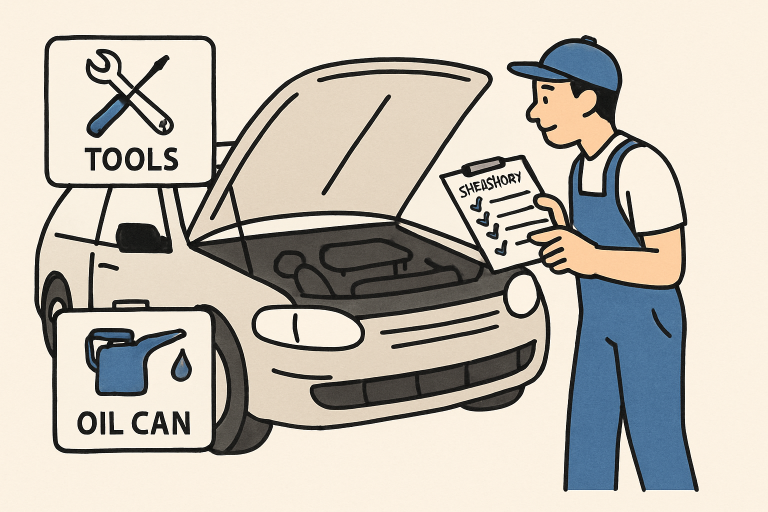
Taking a proactive approach to vehicle maintenance maximizes longevity and helps avoid unexpected breakdowns. For drivers seeking peace of mind and fewer repair bills, adopting a structured car maintenance regimen can deliver significant benefits every mile down the road. With regular care, you boost not just your vehicle’s reliability but also your family’s safety.
Neglecting simple checks and servicing often leads to costly issues that could have been prevented. With a little attention to detail and the right habits, any car owner can protect their investment, enjoy smoother rides, and even improve resale value. These practical strategies and routines lay the foundation for dependable performance for years, whether you drive daily or only on weekends.
Regular Oil Changes
Oil changes are among the most crucial vehicle maintenance tasks. Clean oil not only lubricates your engine’s moving parts, but it also helps regulate temperature and prevents harmful deposit buildup. Sticking to the manufacturer’s recommended schedule, usually every 3,000 to 5,000 miles, is essential even if your car uses synthetic oil or you drive in mild conditions. Skipping oil changes accelerates engine wear, hurts gas mileage, and can even void your vehicle’s warranty in certain cases.
Tire Maintenance
Your tires are directly responsible for grip, handling, and stopping distance. Keeping them properly inflated not only extends tire life but also improves your vehicle’s fuel economy and handling. Check tire pressures at least once a month when the tires are cold and adjust as needed. Regularly inspect for cuts or bulges, and be sure to rotate your tires every 6,000 to 8,000 miles. This helps even out tread wear and prevents premature replacements. Keeping tires balanced and aligned also prevents steering issues and vibration, making every drive safer and more comfortable.
Brake Inspections
Safe braking is non-negotiable on any vehicle. Have your brake system checked by a professional at least every 12,000 miles, or if you notice squeaking, grinding, or a soft pedal feel. Timely replacement of brake pads prevents damage to rotors and other components, saving you from more expensive repairs. Pay attention to subtle signs, such as vibrations while braking or a burning smell; these often indicate issues that need immediate attention.
Fluid Level Checks
Modern vehicles rely on a variety of fluids to operate smoothly. These include engine oil, coolant, brake fluid, transmission fluid, and power steering fluid. Regularly checking and topping off these fluids helps protect vital systems from wear and overheating. Consult your owner’s manual to understand the recommended intervals and correct fluid types. Cloudy, dark, or gritty fluids are a red flag that a system flush or professional inspection may be required. Catching leaks or contamination early reduces the risk of costly breakdowns or failures.
Air Filter Replacement
Many car owners underestimate the importance of a clean air filter. An obstructed air filter restricts airflow, forces your engine to work harder, and decreases both power and fuel efficiency. Most manufacturers recommend replacing the air filter every 12,000 to 15,000 miles, though frequent city or dusty driving may warrant an earlier change. With a quick check and an inexpensive part, you can help preserve your engine’s life and efficiency. Cars.com recommends regular air filter changes.
Battery Maintenance
Car batteries are often out of sight and out of mind, but a simple monthly inspection can prevent no-starts and electrical failures. Clean any corrosion from terminals with a wire brush or suitable cleaning product. Ensure the clamps are tight and the battery is secure in its tray. Pay attention to slow engine cranking or dim interior lights, as these are signs of a weak battery or charging issues. If your battery is more than three years old, consider testing it at your next service visit.
Driving Habits
Good driving habits are central to long vehicle life. Avoiding harsh stops and starts protects your transmission and drivetrain, while steering clear of potholes and rough roads prevents suspension and alignment damage. By easing into turns and maintaining smooth speeds, you reduce wear on virtually every mechanical system. Adopting regular, calm driving habits can also reduce stress on parts like your brakes and tires, ultimately translating into savings at the repair shop.
Protecting Your Car from the Elements
Environmental exposure causes gradual but relentless damage to paint, interiors, and sensitive electronics. Whenever possible, park your vehicle in a garage or under a sturdy carport. If parking inside isn’t an option, invest in a high-quality car cover to block UV rays and protect against tree sap, bird droppings, and rain. Applying interior protectant sprays and keeping windows shaded can also prevent dashboard and seat cracking.
Building proactive car care habits does not require much of your calendar but pays significant dividends. These routines help you avoid unexpected problems and enjoy safe, efficient driving for years. Start with basic checks and scheduled maintenance, then adjust to your specific driving conditions and manufacturer’s guidelines for the best results.