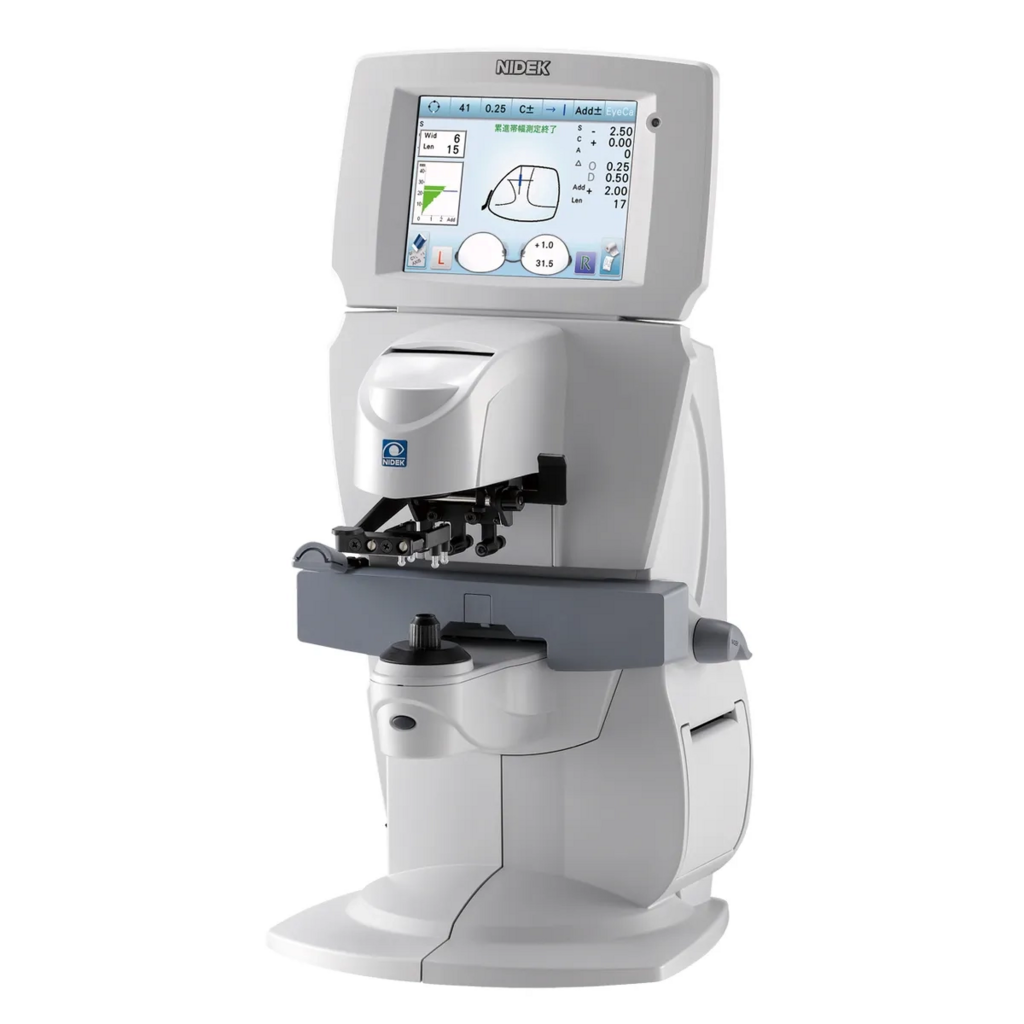
Precision is essential in every optical practice, especially when verifying prescriptions and ensuring lenses meet exact specifications before reaching patients. This is why many clinics rely on lensmeters and vertometers at BOC Instruments as part of their daily workflow for accurate inspection and verification. A vertometer, also known as a lensmeter, allows practitioners to measure lens power, axis, prism, and alignment with confidence, reducing errors and improving overall quality control. When used correctly, this instrument becomes a critical checkpoint between lens fabrication and patient delivery.
In busy practices where multiple prescriptions are processed each day, even small measurement errors can lead to patient discomfort, remakes, and loss of trust. Vertometers provide a reliable way to confirm that lenses match the prescribed values before they are fitted into frames, ensuring consistency and accuracy across every job.
Ensuring Accurate Prescription Verification
One of the primary roles of a vertometer is to verify that the finished lens matches the prescribed optical power. During manufacturing and edging, slight variations can occur that affect the final lens. Without verification, these small discrepancies may go unnoticed until the patient reports discomfort or blurred vision.
By measuring sphere, cylinder, axis, and prism values directly on the lens, practitioners can confirm that the lens is correct before it leaves the bench. This step protects both the clinic’s reputation and the patient’s visual comfort, as issues are identified and corrected early in the process.
Detecting Prism and Axis Alignment Issues
Prism and axis alignment are critical in providing comfortable vision, particularly for patients with complex prescriptions. Even a minor misalignment can cause eye strain, headaches, or visual distortion when the glasses are worn.
Vertometers allow opticians to precisely check these alignments and make necessary adjustments before fitting the lenses into frames. This level of detail ensures that lenses not only meet prescription values but also perform correctly when worn by the patient.
Improving Quality Control in the Lab
In optical labs and clinics, quality control is an ongoing responsibility. Vertometers serve as a reliable tool for checking lenses both before and after edging, as well as after mounting into frames. This multi-stage verification process reduces the chance of errors slipping through unnoticed. By incorporating vertometer checks into standard procedures, clinics maintain a higher standard of accuracy and reduce costly remakes.
Supporting Efficient Workflow for Staff
Vertometers are designed to be straightforward and quick to use once staff are properly trained. This efficiency allows multiple lenses to be checked rapidly without slowing down the workflow, which is especially important in busy environments. Having a dedicated verification step with a vertometer ensures consistency across different team members and reduces reliance on guesswork.
Assisting With Multifocal and Progressive Lenses
Multifocal and progressive lenses require precise alignment to function correctly. These lenses have multiple focal zones that must be positioned accurately according to the prescription and frame design. Vertometers help identify fitting points and confirm that the progressive corridor and focal areas are correctly aligned before the glasses reach the patient.
Reducing Patient Returns and Complaints
One of the hidden benefits of using a vertometer regularly is the reduction in patient returns. When lenses are verified thoroughly before delivery, the likelihood of patients experiencing vision issues decreases significantly. Fewer complaints and remakes save time, money, and improve overall patient satisfaction.
Enhancing Professional Confidence
Using a vertometer gives practitioners confidence that every pair of lenses leaving the practice meets professional standards. This confidence translates into better service and reassurance when handing finished glasses to patients. Knowing that each lens has been measured and verified properly supports the clinic’s reputation for quality care.
Keeping Up With Modern Optical Standards
As lens technology continues to evolve, verification tools must also keep pace. Modern vertometers include digital displays, automatic detection features, and improved measurement precision that align with current optical standards. These advancements make inspection faster and more reliable than ever before.
Conclusion
Vertometers play a vital role in lens inspection and verification by ensuring prescriptions are accurate, alignments are correct, and quality standards are maintained throughout the optical workflow. From reducing errors and remakes to improving patient satisfaction, this tool is essential for modern eye care practices. By incorporating vertometer checks into daily routines, clinics can deliver consistent, high-quality results that patients trust and rely on.