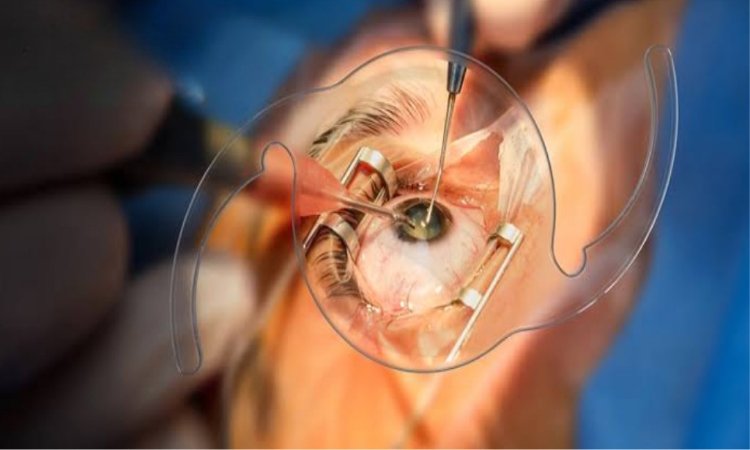
Aging is one of the common reasons for having cataracts, and it often occurs at the age of 40 and above. The crystalline proteins of the lens break down at this age and lump together, creating a cloudy area over your lens. This symptom is called cataract, and it creates blurry, distorted, dull, or yellowish vision. Cataract surgery is necessary at this time because the situation may get worse and your lenses may become cloudier. You may face difficulty in reading books, and it will gradually give you trouble in your daily activities. However, cataract surgery is very common and easy to recover from, but we need to be careful and consult an eye specialist if there are any such symptoms.
Procedures of Cataract Surgery
Cataract surgery removes the clouded natural lens with the ultrasound technology called phacoemulsification (in short, phaco). The natural lenses are broken down into smaller pieces and suctioned out by small incisions. It is a minimally invasive technique, and it gives fast recovery after the surgery. There is another type of cataract surgery that is extracapsular cataract extraction (ECCE) for removing the cataract without breaking it down. This technique is applicable in advanced stages with major complications.
Preparation Before Cataract Surgery
The cataract surgery is a safe surgery, but you need to prepare yourself a week before. The doctor may suggest you have an ultrasound test to determine the right type of lens. Sometimes, you may undergo medication and tests for diabetes, high blood pressure, or any other health-related issues. The surgeon may prescribe you routine tests and checkups until the normal health levels are attained before going to the surgery. Doctors prescribe antibiotics or any anti-inflammatory drugs to avoid any health hazards. Patients used to be released after one or three days after cataract surgery. Normally, if you have cataracts in both eyes, you will be asked to do surgery in one eye, and then after a few weeks, when the eye is healed completely, you will be advised to do surgery on the second eye.
You should not neglect the cataract problem. Consult your health physician if you have any kind of vision-related problem like blurry or cloudy sight or colors that seem to fade. Contact the renowned eye care consultant at Dr. Agarwal Eye Hospital for intensive care and advice from experienced eye specialists. Treating the symptoms with proper surgery and medication can control the things that get worse.
Frequently Asked Questions
How to prevent cataracts?
Protect your eyes from direct sunlight exposure or any kind of eye injury. Avoid smoking and practice healthy food habits to prevent cataracts.
What causes cataracts?
Aging or any kind of injury can affect the eye tissues that inhibit the protein and fibers of lenses from breaking down, resulting in cataracts.
What are the symptoms of cataracts?
Blurry or hazy vision, viewing faded color, and difficulty in reading are the common symptoms of cataracts.
What are the benefits of cataract surgery?
Surgery safely removes the cataract from your eyes and gives you clear vision with minimal surgical procedures. Cataract surgery is a quick-healing procedure without much worrying about anything.