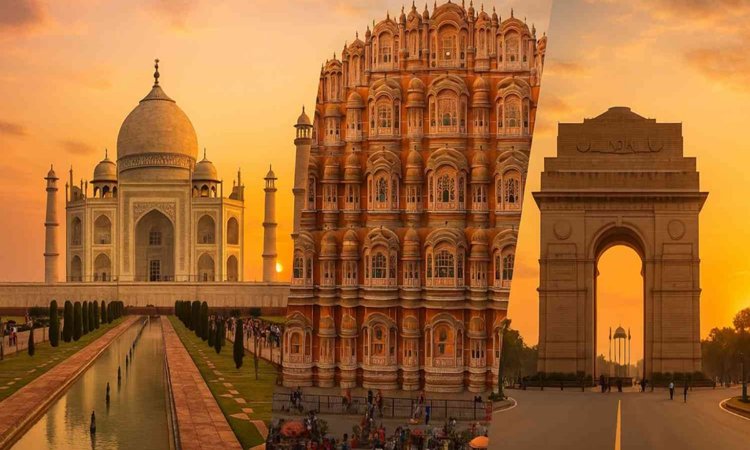
The Golden Triangle is a famous route linking Delhi, Agra, and Jaipur, offering travellers a taste of India’s history, culture, and colour in a single journey. It is often one of the first recommendations for anyone visiting the country for the first time, and there is a good reason for that.
However, planning the trip can feel a little overwhelming when you begin, but once you understand the rhythm of the route and what needs to be done, it can be easier. Some travellers even book curated India travel packages to make the process smoother, especially if they prefer a more relaxed holiday.
Decide How Many Days You Want to Spend
The first step is choosing how much time you can give to the trip. Most people complete the Golden Triangle in five to seven days, but you can stretch it longer if you enjoy slow travel. Delhi alone offers enough to fill several days, from old monuments and busy bazaars to museums and trendy cafés.
Agra is often a shorter stop, but it has much more than the Taj Mahal, including the Agra Fort and the quiet charm of Mehtab Bagh. Jaipur blends royal architecture with lively streets, colourful markets, and beautiful palaces.
Different Travel Styles
Everyone travels differently; some people enjoy structured plans with fixed times, while others prefer wandering without too many rules. Think about what suits you best. If you like comfort and organisation, you might enjoy booking through travel specialists such as Indian Panorama, who arrange stays, transport, and sightseeing in a way that feels effortless.
Plan the Order of Your Route
Most travellers begin in Delhi because it connects well to international flights. Spend a day or two absorbing the city’s mix of old and new. From there, you can travel to Agra, which is only a few hours away by road or train. After exploring Agra, you should continue to Jaipur, which brings a warmer and more relaxed atmosphere, and then return to Delhi for your flight.
Think About When to Go
Weather plays a big role in how comfortable your trip will feel. The cooler months from October to March are usually considered the best time to visit. The skies are clearer, the days are pleasant, and sightseeing becomes far more enjoyable. Summers can be quite warm, which might make long days of walking feel tiring. Monsoon months add a bit of romance to the landscape but can also bring sudden rain showers.
Add Extra Experiences
The golden triangle is full of life-changing experiences that make the journey memorable. Consider going for a food crawl in Old Delhi, or a sunset view of the Taj Mahal, or a traditional dinner in Jaipur; moments like these make the trip a lot more memorable.
Planning a Golden Triangle trip does not need to be complicated. Once you decide how many days you have, choose your travel style, pick the right season, and map out your route, and everything begins to fall into place.
The journey links three very different cities, each with its own story and charm. With a bit of thought and an open mind, you can create a holiday that feels rich, comfortable, and full of unforgettable moments.



