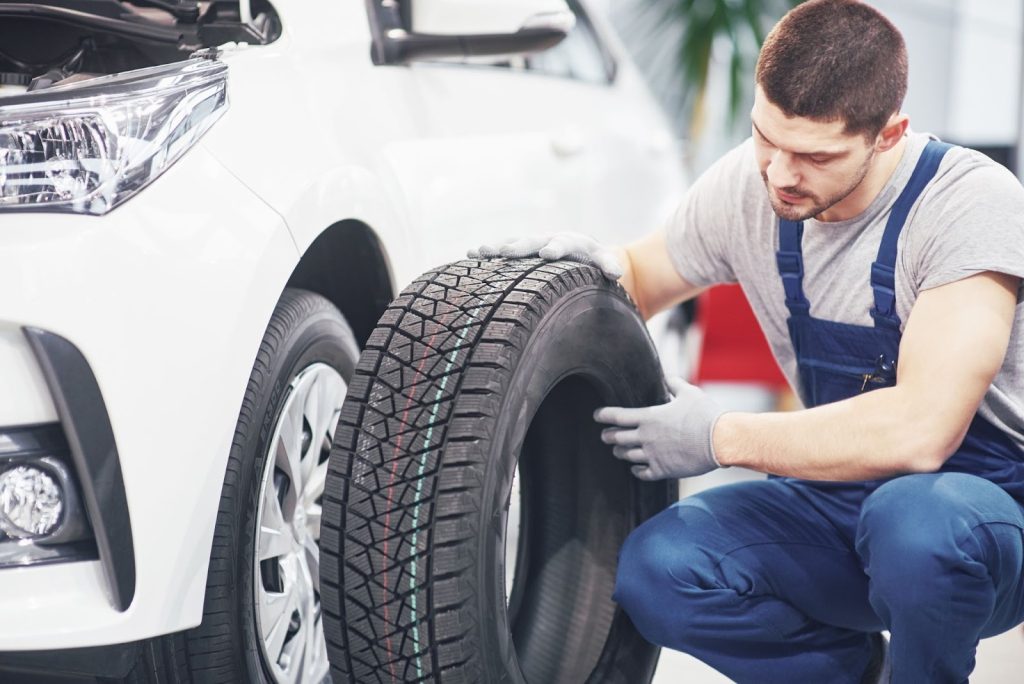
Choosing the right tires for your vehicle isn’t just about size or price, it’s about safety, comfort, and confidence on the road. The right tires can improve your car’s grip, fuel efficiency, and braking, while the wrong ones can make every drive risky and uncomfortable. With so many options available, it’s easy to feel confused or overwhelmed.
Don’t worry, you’re not alone. In this guide, we’ll break things down in a simple, clear way so you can make a smart choice without stress. Whether you drive daily or only on weekends, this blog will help you pick tires that truly fit your needs.
Tire Fitment Foundations Using a Tire Size Guide
Getting your tire size right isn’t where you experiment. It’s fundamental. Look inside your driver’s door jamb first. That placard tells you factory tire size, load specs, and proper inflation. Don’t trust what’s currently mounted, previous owners might’ve swapped sizes for aesthetics or handling tweaks that don’t match your needs. Cross-check your owner’s manual for trim-specific alternatives. This triangle approach prevents costly mistakes before you even start shopping.
Load index and speed rating matching
Load index? That’s how much weight each tire handles safely. Speed rating shows maximum sustained velocity. Never drop below your manufacturer’s minimums here. Not negotiable. If you tow regularly, drive in scorching heat, or tackle mountain grades, higher ratings add structural integrity when stress peaks. Think of them as your safety margin when things get real.
How to Read Tire Sidewall Markings Correctly
Those strings of numbers and letters actually tell you everything, once you crack the code. Let’s say you’re looking at 275/60R20 tires. Section width in millimeters. The 60 is aspect ratio, sidewall height as a percentage of width. R means radial construction. 20 is your wheel diameter in inches.
Wider rubber and lower aspect ratios generally boost handling and load capacity, while taller sidewalls cushion rough pavement and improve winter performance. Always verify fitment against your manual because clearance and suspension geometry vary wildly between models.
UTQG ratings (treadwear/traction/temperature) used the right way
UTQG ratings, treadwear, traction, temperature, help you compare within a brand, but they’re not standardized across the industry. Traction grades (AA through C) show wet stopping ability; temperature grades measure heat resistance. Focus on traction and temperature for safety. Treadwear numbers suggest longevity, but only if you actually rotate on schedule and don’t drive like you’re qualifying at Daytona.
Extra markings that matter (M+S, 3PMSF, XL/Reinforced, Run-Flat)
M+S indicates basic all-season capability, but it’s not the same as 3PMSF (three-peak mountain snowflake), which certifies severe snow performance. XL or Reinforced means higher load capacity for towing or hauling. Run-flats let you limp home after a puncture but cost more, ride harsher, and complicate repairs. Match features to your actual driving, not marketing hype.
Driving Conditions Matchmaking (The Core of How to Choose the Right Tires)
Be honest about where and how you actually drive.
Climate and road reality check (rain, heat, snow, potholes, gravel)
Wet traction deserves top billing, most emergency stops happen in rain, not sunshine. Hot climates and highway miles demand heat resistance to prevent blowouts. Rough roads? You need reinforced sidewalls. Match tire design to reality: touring rubber for mild climates, reinforced all-terrain for gravel, dedicated winter compounds if you face regular ice.
Driving style profile (commuter, spirited, long-distance, towing/hauling)
Commuters want quiet comfort, strong wet braking, decent fuel economy. Spirited drivers need responsive handling and compounds that manage heat. Long-haul folks prioritize low noise, highway stability, high mileage ratings. Towing or hauling requires higher load-range tires with stable sidewalls and superior heat management.
Vehicle type priorities (sedan, SUV, truck, crossover)
Cars emphasize comfort, wet braking, and efficiency. Schedule alignment checks every 6,000 miles or every other oil change to keep things tracking safely (Capital Ford Hillsborough). SUVs and crossovers need higher load capacity and stability designs for their center of gravity. Trucks often demand LT-metric tires with deeper treads and construction tuned for towing or off-road abuse. Match tire category to your vehicle’s actual mission.
Tire Type Selection (All-Season vs Winter Tires and Today’s Best Alternatives)
Category choice can literally save your life in certain conditions.
All-season vs winter tires (decision triggers that actually work)
Simple rule: if temps consistently drop below 45°F and you encounter ice, snow, or slush regularly, winter tires aren’t optional. All-seasons work fine in mild climates but harden in freezing temps and lose grip on ice. Hilly areas with untreated roads? Morning ice patches? Winter tires are safety equipment, period.
All-weather tires (3PMSF) as a modern “one-set” solution
All-weather tires carry the 3PMSF symbol, rated for severe snow but designed year-round. Perfect for variable winters with moderate snowfall and urban plowing. You sacrifice some dry-road sharpness versus summer tires, but gain convenience without seasonal swaps. Best for mild-to-moderate winter climates.
Summer/performance tires (grip vs longevity vs comfort)
Summer tires excel in warm, wet, or dry conditions but become dangerously slippery below 45°F. Use them in warm climates or as seasonal swaps for performance cars. They resist hydroplaning well when new, replaced before reaching 4/32″ depth.
Performance Factors That Determine the Best Tires for My Car (Beyond Brand Names)
Brand reputation matters less than actual performance data.
Wet braking and hydroplaning resistance (priority safety metric)
Wet braking distance often outweighs dry grip for daily safety. Seek independent test results showing strong wet grades and modern channel designs that evacuate water fast. Deep grooves and sipes prevent hydroplaning as tread depth decreases. Always prioritize wet performance over flashy claims.
Ride comfort and noise (tread pattern + construction + foam inserts)
Noise stems from tread block design, sidewall stiffness, and pitch sequencing. Touring tires use variable-pitch patterns to cancel noise frequencies. Premium models include acoustic foam inserts. Want comfort? Choose higher sidewalls and softer compounds, they absorb bumps better than low-profile rubber.
EV and Hybrid Tire Considerations
Electric vehicles punish tires differently than gas cars.
Load capacity and instant torque (why EVs eat tires faster)
EVs are heavier from battery packs, and instant torque spins tires aggressively. Choose higher load ratings and durable compounds designed for EV use. Rotating every 5,000 to 8,000 miles (or roughly every six months) to promote even wear and extend lifespan, skipping rotations accelerates uneven wear dramatically (Capital Ford Hillsborough).
Low-noise design and cabin quiet (EV comfort expectation)
Without engine noise, road noise dominates. EV-rated or touring tires with acoustic foam inserts reduce cabin noise significantly. Look for tires marketed specifically for electric vehicles, noise reduction is engineered as a core priority.
Making the Smart Tire Choice
Tire shopping stops feeling overwhelming once you grasp fitment basics, decode sidewalls, match to real conditions, and calculate true ownership cost. Prioritize wet braking and load capacity. Maintain proper inflation and rotation schedules. Never skip alignments. The right tires boost safety, comfort, and value, but only when you choose based on your vehicle’s needs and driving reality, not marketing noise or the cheapest price tag you can find.