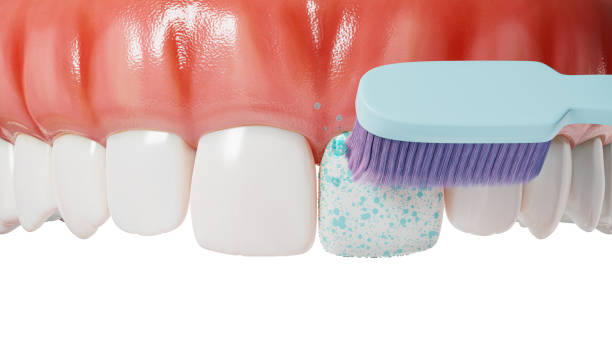
Healthy gums and teeth do not happen by accident. They need steady care. Regular cleanings give you a strong base, even when you brush and floss every day. During a cleaning, your dental team clears away hard plaque that you cannot remove at home. This lowers your risk of bleeding gums, loose teeth, and painful infections later in life. It also helps your dentist spot quiet problems before they turn into emergencies. Think of cleanings as a simple habit that protects your smile, your comfort, and your budget. If you already see an Abilene dentist, you can use each visit to reset your mouth and get clear guidance for the months ahead. This blog explains how routine cleanings support long term gum and tooth health, what happens during a visit, and how often you should schedule care based on your age, health, and daily habits.
Why Regular Cleanings Matter For Your Whole Body
Gum disease does not stay in your mouth. Bacteria can enter your blood and strain your heart and immune system. The Centers for Disease Control and Prevention explains that nearly half of adults over 30 show signs of gum disease. You can read more about this risk on the CDC periodontal disease page. Routine cleanings cut down these bacteria. They give your body a break from constant low grade infection.
Cleanings also protect your ability to chew, speak, and enjoy food. When you keep your gums firm, your teeth stay in place. You avoid the slow loss of bone that often leads to loose teeth and dentures. You protect your sense of taste and your social comfort. A healthy mouth lets you smile, laugh, and talk without worry.
What Happens During A Routine Cleaning
You may feel nervous when you think about a dental visit. Clear steps can reduce that fear. During a typical cleaning, you can expect three main stages.
- Checkup of teeth and gums. Your hygienist and dentist look for soft spots, gum swelling, and early bleeding. They may take X rays if needed.
- Cleaning of hard and soft plaque. They use small tools to remove tartar from your teeth and near your gums. They then polish your teeth to smooth the surface.
- Guidance for home care. You get simple steps that match your mouth. This can include brushing tips, floss options, and advice about snacks and drinks.
These steps are gentle. You stay in control. You can ask for a break at any time. When you keep up with cleanings, each visit often feels easier, because there is less buildup to remove.
How Often You Should Get A Cleaning
The American Dental Association states that many people need cleanings about every six months. You can read their advice on regular dental visits on the MouthHealthy dental visits page. Some people need more frequent care. Others can wait longer between visits. Your dentist will base this on your mouth, not on a fixed rule.
Use this table as a general guide. Then talk with your dentist about your exact schedule.
| Group | Suggested Cleaning Schedule | Main Reason |
|---|---|---|
| Children and teens | Every 6 months | Monitor growth and prevent early cavities |
| Healthy adults with no gum disease | Every 6 to 12 months | Remove buildup and catch quiet problems early |
| Pregnant people | Every 3 to 6 months | Manage higher risk of swollen and bleeding gums |
| People with diabetes or heart disease | Every 3 to 4 months | Reduce strain from ongoing mouth infection |
| People with past gum disease | Every 3 to 4 months | Prevent return of deep pockets and tooth loss |
| People who smoke or vape | Every 3 to 4 months | Offset higher risk of gum damage and bone loss |
Benefits You Can Expect From Regular Cleanings
Steady cleanings give you three clear gains.
- Less pain and fewer emergencies. Cleanings help stop small cavities, sore gums, and infections before they become intense. You avoid late night urgent visits and sudden costs.
- Lower long term costs. Preventive care is cheaper than root canals, crowns, or extractions. You invest in short visits now so you do not pay more for repairs later.
- Better confidence. Clean teeth and fresh breath support your daily life at home, at school, and at work. You can talk at close range without fear.
What You Can Do At Home Between Cleanings
Cleanings work best when you support them at home. You can follow three key steps.
- Brush two times each day. Use a soft brush. Spend at least two minutes each time. Reach the front, back, and top of every tooth.
- Clean between your teeth once a day. Use string floss, floss picks, or small brushes. Choose what you can use every day without strain.
- Limit sugary and acidic drinks. Soda, sports drinks, and juice can wear down enamel. Drink water often. Rinse your mouth with water after coffee or tea.
These simple steps cut down the work your dental team must do during a cleaning. They also help you feel less sore after visits.
How To Help Children And Older Adults Stay On Track
Family support matters. Children learn from your habits. Older adults may face new limits with grip strength, memory, or health problems. You can help both age groups in clear ways.
- Set a shared brushing time in the morning and at night. Make it a short routine that everyone follows.
- Use a calendar or phone reminder for checkups. Treat cleanings like other health visits that you would not miss.
- Ask the dentist about fluoride, sealants, and tools for people with arthritis or other hand limits.
When you protect the mouths of children and older adults, you guard their ability to eat, speak, and stay connected to others. You also reduce stress for the whole family.
Taking The Next Step
You do not need a perfect mouth to start. You only need the next cleaning on the calendar. Call your dental office. Ask when you last had a full cleaning. If it has been more than a year, schedule a visit soon. Bring your questions about pain, cost, and timing. Ask for a clear plan for the next twelve months.
Every cleaning is a chance to reset. You clear away buildup. You lower the risk of tooth loss. You protect your health and your peace of mind. Regular cleanings are not extra. They are basic care that keeps your gums and teeth strong for the long term.



