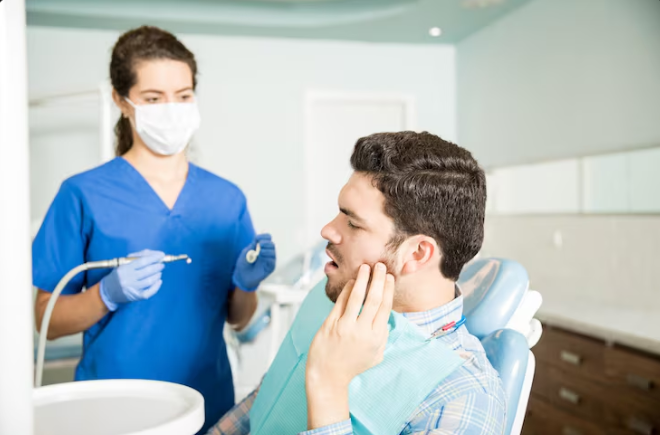
You might be feeling that sharp, sudden zing in a tooth when you sip something cold, or a dull ache when you brush a certain spot, and it leaves you wondering if something is seriously wrong and whether you should see a dentist in Sequim, WA. Maybe it started as the occasional twinge with ice cream, and now even room temperature water feels uncomfortable. You start chewing on the other side. You avoid your favorite foods. You might even feel a little embarrassed to mention it, as if you are making a fuss over “just” sensitive teeth.
Tooth sensitivity can feel small, yet it quietly shapes your day. You plan around it. You worry it might mean a big, expensive dental problem. The good news is that general dentists see this every single day, and there are clear, step by step ways to figure out what is going on and how to calm things down. In simple terms, the process is usually this. Your dentist finds the cause, protects the tooth, then helps you prevent it from coming back.
So where does that leave you right now. You are dealing with pain that feels out of proportion to what you see in the mirror, and you want to know what a general and implant dentist can actually do to help. That is exactly what this page walks through, from the “why” behind sensitivity to what happens in the chair and what you can do at home.
Why do your teeth hurt from cold or brushing in the first place?
To understand how general dentists treat sensitivity, it helps to know what might be causing it. Teeth are not just white blocks. Under the hard outer enamel is a layer called dentin, which has tiny tubules that lead to the nerve. When that dentin is exposed or irritated, you feel that quick, sharp pain.
So what exposes or irritates dentin. Some of the most common reasons include:
1. Enamel wear from brushing or acid
If you brush very hard or use a hard toothbrush, you can slowly scrub away enamel near the gumline. Acidic drinks like soda, sports drinks, or even frequent lemon water can also thin enamel over time. Once enamel thins, temperature and sweets reach the dentin much more easily. The American Dental Association has a helpful overview of how different toothpastes are formulated for concerns like sensitivity, which your dentist can use as a guide.
2. Gum recession and exposed roots
If gums pull back, either from brushing too hard, age, or gum disease, the root surface of the tooth can be exposed. Root surfaces are not covered by enamel, so they are naturally more sensitive. Even a small area of exposed root can feel huge to you.
3. Grinding or clenching (bruxism)
If you clench at night or grind your teeth, you can slowly wear away enamel and create tiny cracks. Those cracks and flattened surfaces can be very sensitive. Many people do not know they grind until a dentist spots the signs. You can read more about bruxism and its effects from the National Institute of Dental and Craniofacial Research here.
4. Tooth decay, failing fillings, or cracked teeth
Sometimes sensitivity is your early warning sign that a cavity is forming, a filling is leaking, or a tooth has a small crack. These issues need more than a sensitive toothpaste. They need repair.
Because of all these different possibilities, it is very common to feel confused. Is this “just sensitivity” or something serious. Is it safe to wait. That uncertainty can be almost as stressful as the pain itself.
What can a general dentist actually do for sensitive teeth?
A general dentist is your first line for any tooth sensitivity treatment. Even if the dentist also restores implants, the everyday work still centers on keeping your natural teeth comfortable and functional.
Here is how the process usually unfolds.
1. Careful diagnosis, not guesswork
Your dentist will start with questions. When does it hurt. Cold or hot. Sweets. Biting. Spontaneous pain. Then you will usually have a gentle exam and often X rays. They may test certain teeth with air, cold, or a light tap to see which ones react.
This is not about trying to “make it hurt.” It is about mapping your symptoms so they can tell the difference between surface sensitivity and something deeper like nerve inflammation or infection.
2. Targeted treatments for exposed dentin
If your sensitivity comes from exposed dentin or roots without decay, your dentist might recommend:
- Prescription strength desensitizing toothpaste or gel with ingredients that block those tiny tubules
- Fluoride varnish or gel painted on your teeth during your visit to strengthen enamel and reduce pain
- Bonding material to cover exposed root surfaces and protect them from temperature changes
- Advice on brushing with a soft brush and a gentle technique so you do not scrub away more enamel
The American Dental Association’s patient guide on sensitive teeth describes many of these same approaches, which can reassure you that your dentist is using well accepted methods.
3. Fixing the underlying damage
If the sensitive area is actually a cavity, a cracked filling, or a fracture, then the solution is to repair it. That might mean a filling, an inlay or onlay, or a crown. In more advanced cases where the nerve is involved, a root canal can remove the damaged nerve and keep the tooth.
This is where a tooth sensitivity treatment becomes more than just symptom relief. The goal is to stop the problem from getting worse and protect the tooth for the long term.
4. Protecting against grinding or clenching
If bruxism is part of the picture, your dentist may recommend a custom night guard. This is a clear appliance you wear over your teeth while you sleep. It spreads out the pressure and protects your enamel from further wear. Sometimes, managing stress, improving sleep, or working with other health professionals also becomes part of the plan.
DIY fixes vs professional care for sensitive teeth
It is natural to wonder how much you can handle on your own and when you truly need a dentist. The comparison below can help you sort that out.
| APPROACH | WHAT IT INVOLVES | WHEN IT MAY BE ENOUGH | WHEN IT IS RISKY TO RELY ON |
| DIY at home care | Using over the counter sensitive toothpaste, switching to a soft brush, reducing acidic drinks, using fluoride mouthwash | Mild, recent sensitivity that only occurs with cold, no visible chips or holes, no lingering pain | If pain wakes you up, lingers for more than a few seconds, or is triggered by biting or sweets |
| Professional general dentist care | Exam, X rays, in office fluoride, prescription toothpaste, bonding, fillings, crowns, night guards | Repeated or worsening sensitivity, pain that is hard to pinpoint, history of grinding, visible wear or recession | It is not “risky,” but waiting too long to seek this care can lead to more complex and expensive treatment |
| Emergency or urgent care | Immediate visit for severe pain, swelling, or trauma | Sudden, severe pain after an injury, a cracked tooth, or swelling in the face or gums | Not appropriate for slow, minor sensitivity without other symptoms, because they usually do not provide full dental treatment |
So where does that leave you. If your sensitivity is new and mild, a short trial of careful home care is reasonable. If it is recurring, getting worse, or worrying you, it is time to involve a dentist and move from guesswork to a real plan.
Three practical steps you can take starting today
1. Adjust your daily habits right away
Switch to a soft bristle toothbrush and use gentle, small circles rather than a hard back and forth motion. Choose a toothpaste labeled for sensitive teeth, and give it a few weeks of consistent use. Try to limit highly acidic drinks like soda and energy drinks, or at least rinse with water afterward. These changes will not fix a cavity, but they can quickly reduce surface irritation and keep things from getting worse.
2. Pay attention to the “pattern” of your pain
Notice which teeth hurt, what triggers the sensation, and how long it lasts. Does it hurt only with cold, or does it also hurt when you bite. Does the pain disappear right after the trigger is gone, or linger for minutes. Jot a few notes on your phone. This simple record can help your dentist pinpoint the cause faster and avoid trial and error.
3. Schedule an exam with a general dentist
Even if your pain comes and goes, it is worth having a general dentist look at your teeth and gums. Mention that you are coming in for sensitivity, not just a routine cleaning. Ask them to check for enamel wear, recession, grinding, and any cracks or early decay. If you already have implants, ask how your sensitivity and any existing restorations fit into your overall dental treatment plan. That way you are not just reacting to each new twinge, you are building a strategy to protect your mouth over time.
Moving forward with less fear and more control
Tooth sensitivity can make you feel fragile and on edge, as if simple things like a glass of water or a bite of dessert might betray you. It does not have to stay that way. With a thoughtful exam, clear diagnosis, and the right mix of in office care and home habits, most people find that their teeth become calmer and more predictable.
You do not need to know whether your sensitivity is coming from enamel wear, gums, grinding, or something else before you reach out. That is your dentist’s job. Your job is to listen to what your body is telling you and take the next small step to get answers. Even one visit can replace a lot of “what if” worry with a clear plan and real relief.