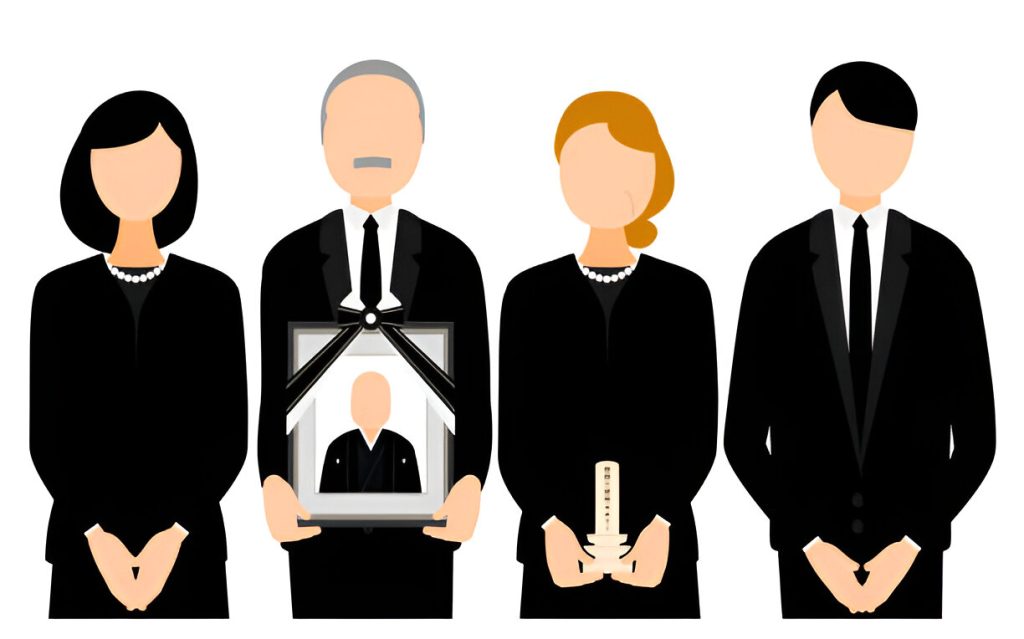
The image of funeral directors in pop culture often leans toward the overly somber, mysterious figure in a dark suit. Movies and television sometimes portray them as morbid or detached, lurking quietly among caskets. But spend a little time with a real funeral director, and you’ll quickly realize that many have a surprisingly warm sense of humor, deep empathy, and an almost artistic eye for detail.
At its core, the job is about people, not death. Funeral directors work with families to plan services that honor the life of the deceased. This might mean arranging a traditional church service with hymns and scripture, or helping organize a celebration of life in a garden with jazz music and balloons. In some cases, they become problem-solvers—finding a way to incorporate a favorite motorcycle into a procession, or tracking down a rare recording of a song that meant everything to the person being remembered.
A Day in the Life: More Than You’d Expect
If you shadowed a funeral director for a day, you’d quickly see that it’s not all solemn ceremonies. One moment they might be speaking with a grieving spouse about burial options, and the next they could be managing paperwork with the local registrar. They coordinate transportation for the deceased, liaise with florists, prepare facilities, and handle dozens of tiny details that most families never see.
There’s also a surprising amount of emotional labor involved. Grief can make decision-making difficult, and people often turn to funeral directors not just for options, but for reassurance. This requires patience and intuition—knowing when to offer advice, when to simply listen, and when to gently guide someone toward choices that fit their values and budget.
The Bridge Between Tradition and Modernity
Funeral customs vary widely across cultures, religions, and even generations. Funeral directors often become a bridge between tradition and modernity, respecting long-held practices while adapting to changing times.
For example, younger generations might opt for eco-friendly “green burials,” avoiding embalming and choosing biodegradable caskets. Others might request live streaming of services so distant relatives can attend virtually—a practice that became more common during the pandemic and is now here to stay. In multicultural communities, funeral directors must also navigate diverse customs, from Buddhist chanting ceremonies to military honors with precision timing.
In a way, they are cultural translators—making sure each farewell reflects the beliefs, personality, and story of the departed, no matter how unique.
Why This Work Matters More Than We Realize
It’s tempting to think of funerals as events for the dead, but in truth, they are for the living. Psychologists have long emphasized the importance of rituals in processing grief. A well-run service gives family and friends a structured space to honor, remember, and begin healing.
Here’s where funeral directors quietly shape the experience. If the seating is arranged thoughtfully, the pacing of the service feels natural, and the symbolic touches (candles, music, photos) are in harmony, mourners can focus on their memories rather than logistics. If, on the other hand, a funeral feels disorganized or impersonal, it can leave a lasting sense of unease.
In that sense, funeral directors are like stage directors for one of the most important performances in a family’s life—not a performance in the sense of theatrics, but in the sense of creating a moment where everything is aligned to honor a story and bring people together.
The Personal Toll and Quiet Rewards
Of course, this work can take an emotional toll. Funeral directors are surrounded by grief daily, and while they learn to maintain professional boundaries, they are human beings too. Many develop self-care routines, lean on supportive peers, or take moments of quiet reflection between services.
But the rewards, they say, often outweigh the challenges. There’s a quiet satisfaction in knowing that your work brought comfort in a painful time. One funeral director once shared how, years after arranging a service, a family sent them a card saying, “You made us feel like our dad’s life mattered.” That kind of gratitude doesn’t fade.
A Profession Built on Humanity
Funeral directors aren’t just service providers—they are custodians of human stories. They’re the ones who make sure the slideshow plays correctly, the flowers arrive fresh, the flag is folded with precision, and the tone of the service reflects the life it’s celebrating. They step into a family’s most fragile moment and create a space where grief can breathe and love can be expressed.
They do all of this without demanding the spotlight. In fact, the best funeral directors are often the least noticeable—they’ve done their job well if the family leaves feeling cared for, without ever having to think about the countless moving parts that made it happen.
Seeing Them Differently
The next time you pass by a small brick building with a sign that reads “Funeral Home” and perhaps the name of a family that’s been in business for generations, remember that inside are people whose work goes far beyond caskets and flowers. Funeral directors are quiet architects of farewell, shaping one of the most intimate and enduring rituals of human life.
They work in the space between sorrow and gratitude, between endings and the beginnings of healing. Their role may never be glamorous, but it is deeply human—and in a world that moves quickly and often avoids hard conversations about mortality, their work reminds us that every life deserves to be remembered with care.