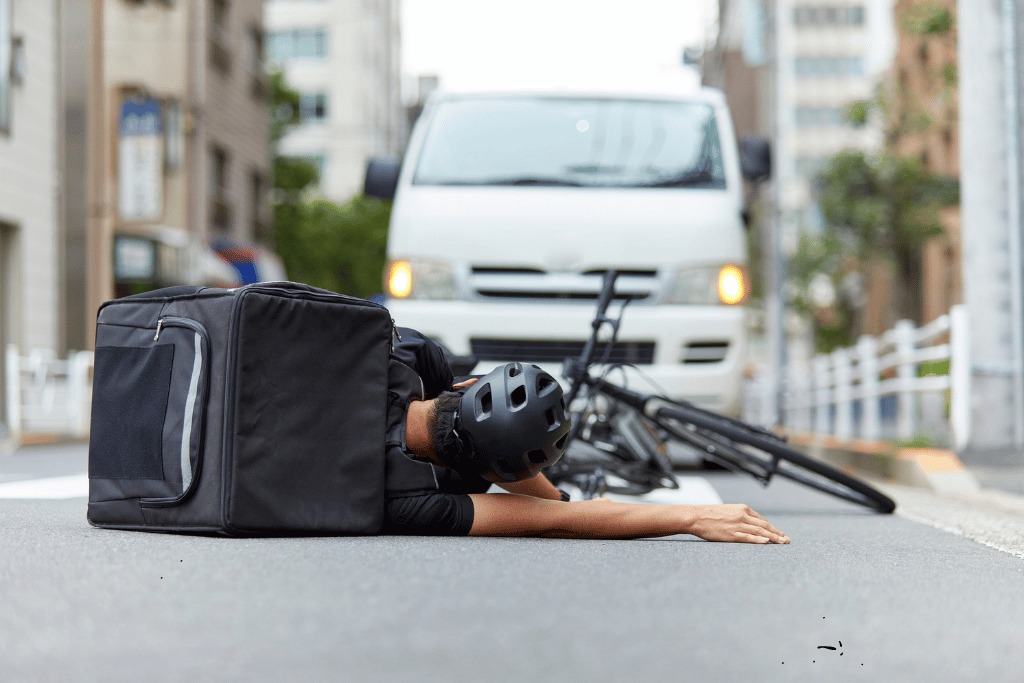
Toronto is a vibrant, bustling city with a growing emphasis on walkability and bike-friendly infrastructure. While this progress is encouraging, the increase in pedestrian and cyclist traffic has also led to a rise in related accidents. Whether it’s due to careless drivers, distracted walking, or inadequate infrastructure, bike and pedestrian accidents can result in serious injuries—and knowing how to respond legally can make all the difference in your recovery.
In this article, we’ll break down the most common injuries resulting from bike and pedestrian accidents and explain how a Bike and Pedestrian Accidents Lawyer can help you navigate the compensation process in Ontario.
Common Injuries in Bike and Pedestrian Accidents
The injuries resulting from these incidents can vary widely depending on the nature of the collision. Some of the most common include:
1. Head Injuries and Traumatic Brain Injuries (TBI)
Cyclists and pedestrians are especially vulnerable to head trauma during a collision. Even with a helmet, a cyclist struck by a car can suffer a concussion or more serious traumatic brain injuries, which can lead to long-term cognitive issues, memory loss, and emotional disturbances.
2. Fractures and Broken Bones
Arms, legs, wrists, and ribs are particularly susceptible during impact. These injuries often require lengthy recovery times, physical therapy, and may even result in long-term mobility issues.
3. Spinal Cord Injuries
Damage to the spinal cord can be life-altering, leading to chronic pain, nerve damage, or in severe cases, partial or full paralysis.
4. Soft Tissue Injuries
These include sprains, strains, and deep bruises. While they may seem less serious, soft tissue injuries can result in significant pain and long-term discomfort.
5. Internal Injuries
These injuries—such as damage to internal organs or internal bleeding—are not always immediately apparent but can be life-threatening if left untreated.
Who Is at Fault in These Accidents?
In Ontario, the law leans toward protecting vulnerable road users. Under the Highway Traffic Act, there is a reverse onus on drivers in collisions involving pedestrians or cyclists. This means the motorist is presumed to be at fault unless they can prove otherwise.
However, fault isn’t always straightforward. Pedestrians and cyclists also have a duty to exercise reasonable care. For example, a pedestrian who suddenly jaywalks or a cyclist who runs a red light could share in the blame.
How to Claim Compensation in Toronto
If you’ve been injured in a bike or pedestrian accident, there are a few pathways to compensation.
1. Accident Benefits Through Your Insurance
If you have auto insurance in Ontario—even if you were not driving at the time—you may be eligible for Statutory Accident Benefits. These can cover medical expenses, lost income, rehabilitation, and attendant care.
If you don’t have your own insurance, you may still be able to claim through the policy of a household member, or through the at-fault driver’s insurance.
2. Tort Claim Against the At-Fault Driver
If the injuries are severe, you may also pursue a lawsuit against the driver responsible for the accident. A tort claim allows you to seek compensation for:
- Pain and suffering
- Loss of future income
- Medical and rehabilitation costs not covered by accident benefits
- Loss of enjoyment of life
To file this kind of claim, you generally must show that:
- The driver was at fault
- Your injuries meet the threshold of “serious and permanent impairment”
- You’ve incurred significant financial losses
3. Filing Deadlines
- Accident report: Must be filed within 7 days of the accident (or as soon as possible).
- Accident Benefits Application: Must be submitted within 30 days.
- Tort claim: You typically have 2 years from the date of the accident to file a lawsuit.
What to Do After an Accident
If you’re injured in a bike or pedestrian accident, follow these steps:
- Seek medical attention immediately, even if you feel okay at first.
- Report the accident to the police and your insurer.
- Document everything—take photos, collect witness contact info, and keep a record of medical appointments.
- Contact a personal injury lawyer to discuss your rights and assess your case.
Final Thoughts
Being involved in a bike or pedestrian accident in Toronto can be a life-changing experience. Knowing your rights and the available paths to compensation can help ease the burden during a difficult time. If you or a loved one has suffered injuries in such an accident, it’s crucial to act quickly and consult with a legal professional who understands the complexities of Ontario’s insurance and tort systems.