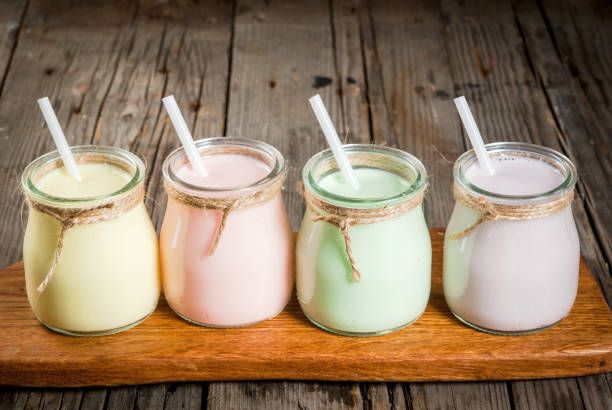
In an age where clean labels and conscious consumption dominate grocery aisles, the demand for natural food color in flavored milk is rising fast. No longer just a childhood treat, flavored milk has evolved into a functional, lifestyle beverage—enjoyed by adults and kids alike. With this shift comes a stronger focus on what goes into the bottle, not just how it tastes or looks.
Color plays a powerful role in flavored milk, helping consumers instantly associate a hue with a flavor: pink for strawberry, yellow for banana, brown for chocolate, and so on. But with synthetic dyes falling out of favor, natural food color is stepping in to deliver vibrant shades—without compromising on health or transparency.
Why Use Natural Food Colors in Flavored Milk?
Natural food colors offer several key benefits that align with consumer expectations:
- Clean label compliance
- Plant-based origin
- Consumer trust and familiarity
- Free from synthetic additives and allergens
In flavored milk products, where trust is vital (especially when targeting children and families), using plant- or fruit-derived colorants boosts both product appeal and marketability.
Popular Natural Color Sources for Flavored Milk
Natural food color manufacturers are now offering a wide spectrum of stable, dairy-compatible pigments. Common sources include:
1. Beetroot
Delivers a natural pink or red hue—ideal for strawberry or raspberry flavored milk. It blends well with dairy and is heat stable in pasteurized products.
2. Annatto
Extracted from the seeds of the achiote tree, annatto produces warm orange to yellow tones. It’s often used for banana, mango, or vanilla-flavored milk.
3. Turmeric
A bright yellow option suitable for tropical or golden milk variants. It’s best used in small quantities due to its strong flavor.
4. Paprika
Used for rich orange tones. Perfect for spiced or autumn-themed flavored milk formulations.
5. Carrot Juice or Carotene Extracts
Provide soft orange to yellow hues. Beta-carotene is especially popular due to its vitamin A benefits.
6. Anthocyanins (from purple sweet potato, grape skin, or berries)
Used to create purple, lavender, or berry-toned milk—great for blueberry or blackberry flavors.
Challenges in Dairy Applications
Formulating with natural food color in flavored milk does require thoughtful planning. Key challenges include:
- pH Sensitivity: Some pigments (like anthocyanins) are pH-sensitive and can change color depending on acidity levels.
- Light and Heat Stability: Milk products are often pasteurized and stored in transparent packaging. Natural colors need to withstand heat and resist fading under light.
- Fat Content: Since milk contains fat, oil-soluble colors (like beta-carotene or paprika oleoresin) must be properly emulsified to ensure even distribution.
Modern natural color solutions are available in both water-dispersible and oil-dispersible forms to match the needs of various flavored milk recipes.
Clean Label + Color = Consumer Confidence
Parents and health-conscious consumers are reading labels more carefully than ever. Products labeled with phrases like:
- “Colored with vegetable juice”
- “Naturally derived color”
- “No artificial dyes”
…are more likely to be purchased and trusted. Natural food colors also enhance brand storytelling—especially when the product’s color source aligns with its flavor (e.g., using real beetroot in strawberry milk).
Future Trends in Flavored Milk Coloring
The future of flavored milk isn’t just sweet and creamy—it’s colorful and clean. Trends to watch include:
- Plant-based flavored milks (almond, oat, soy) using the same natural pigments for a dairy-free appeal.
- Functional colored milks (with added probiotics, turmeric, or adaptogens).
- Instagram-friendly hues using spirulina, matcha, and butterfly pea flower for visually striking, natural shades.
As consumers move toward “less is more,” natural food colors provide a way to simplify ingredient lists while still delivering the visual impact that drives sales.
Conclusion
Natural food colors are redefining how flavored milk is made, marketed, and enjoyed. Whether you’re aiming for a soft banana yellow or a bold berry purple, today’s plant-based colorants can help you achieve a clean, compliant, and colorful formulation.
By choosing natural food color for flavored milk, brands not only meet modern demands—they stand out in a saturated market where transparency and authenticity are everything.