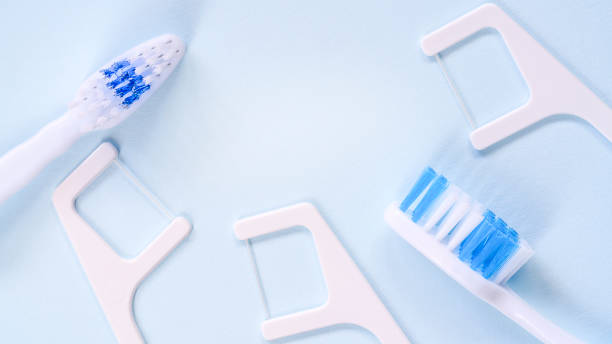
Dental hygiene plays a crucial role in maintaining oral health, and the variety of tools available can sometimes be overwhelming for patients and professionals alike. Whether recommending dental floss, brushes, or water flossers, understanding their unique benefits is essential for optimal patient care.
The Importance of Dental Hygiene Tools
Effective dental hygiene involves removing plaque and food particles from areas that conventional brushing may not reach. Flossing, brushing, and using water flossers each have distinct advantages and can be recommended based on an individual’s specific oral health needs.
Dental Floss
Dental floss remains a cornerstone in oral health routines. It is particularly effective in removing debris and plaque from the tight spaces between teeth, which regular toothbrushes may not reach. With its ability to enhance gum health and reduce the risk of cavities, recommending dental floss can be beneficial for most patients.
Types of Dental Floss
There are various types of dental floss, including waxed, unwaxed, and tape floss, each offering different benefits. Waxed floss is easier to slide between tight teeth, while tape floss covers a broader surface area, making it ideal for patients with larger gaps.
When to Recommend Dental Floss
Dental professionals should recommend flossing for patients who have healthy gums and teeth that are spaced closely together. It is also a good choice for those who are committed to ensuring meticulous cleaning between teeth.
Toothbrushes
Toothbrushes are the principal tool for daily oral hygiene and come in various forms, including manual and electric. They are designed to remove plaque from the tooth surfaces and gums efficiently.
Manual vs. Electric
Manual toothbrushes are convenient and cost-effective, while electric toothbrushes can provide a more thorough clean with less effort. This is particularly beneficial for patients with limited dexterity or those who prefer a more automated approach.
When to Recommend Toothbrushes
For daily care, a toothbrush is indispensable, and every patient should use one. An electric toothbrush might be recommended for individuals with limited manual dexterity or for those who desire an enhanced cleaning experience.
Water Flossers
Water flossers, or oral irrigators, use a stream of pulsating water to remove food particles and plaque between teeth and below the gum line. These devices are particularly useful for patients with braces, bridges, or other dental appliances.
Benefits of Water Flossers
Water flossers are gentle on gums and can aid in reducing gingivitis and improving gum health. They are especially beneficial for individuals with sensitive gums or dental work that makes traditional flossing challenging.
When to Recommend Water Flossers
Water flossers should be recommended for patients with specific dental needs, such as orthodontics, extensive dental work, or for those who find traditional flossing uncomfortable or difficult. They are also suitable for individuals who prefer an easier and more comfortable cleaning method.
Conclusion
Choosing the right oral hygiene tool depends on a variety of factors, including the individual’s dental needs, lifestyle, and preferences. By understanding the benefits and specific uses of dental floss, toothbrushes, and water flossers, dental professionals can better guide their patients towards effective oral hygiene practices.
Ultimately, a combination of these tools, tailored to the patient’s specific oral health conditions and their personal preferences, will offer the best outcomes for maintaining good dental health.