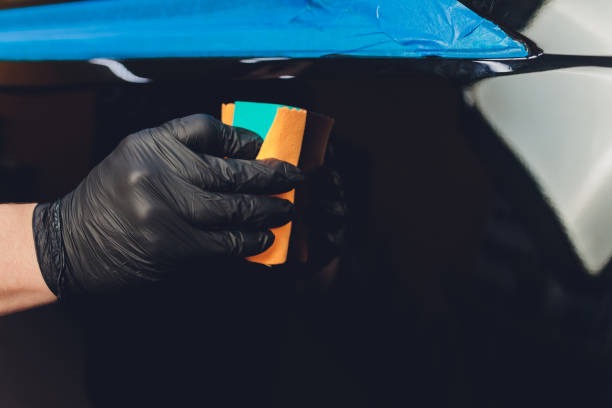
Window tinting is one of the most popular upgrades for vehicles and homes, offering a wide range of benefits that go far beyond aesthetics. From blocking harmful UV rays to enhancing comfort and privacy, tinting is a smart investment. But when it comes to choosing the right type of window film, many people face the same question: should you go with ceramic tint or regular tint? Understanding the differences between these two options will help you make the right decision for your needs. In this article, we’ll break down ceramic tint vs regular tint to help you choose which is right for you.
What Is Regular Tint?
Regular tint, often referred to as dyed or metallic tint, is the most common and affordable option on the market. Here’s what you need to know:
- Dyed Tint: This film uses dye between layers of adhesive and polyester. It absorbs solar heat and reduces glare but offers limited heat rejection compared to more advanced options.
- Metallic Tint: Made with tiny metallic particles, this film reflects heat and provides stronger UV protection than dyed tint. However, it can sometimes interfere with electronic signals like GPS, cell phones, or radio reception.
Regular tints provide a darker appearance and improved privacy, but their performance and longevity are limited compared to ceramic tint.
What Is Ceramic Tint?
Ceramic tint is the premium option in the window film industry. Unlike dyed or metallic films, ceramic tint contains non-metallic, non-conductive ceramic particles. These particles are invisible to the eye but deliver exceptional performance in heat rejection, UV protection, and glare reduction.
Key features include:
- Superior heat-blocking ability without darkening the windows excessively.
- Excellent UV protection, blocking up to 99% of harmful rays.
- No signal interference with GPS, cell phones, or radios.
- Longer-lasting durability with resistance to fading, bubbling, or peeling.
While ceramic tint typically costs more than regular tint, the benefits often outweigh the price difference.
Comparing Ceramic Tint vs Regular Tint
Let’s dive into the main categories where these two tint types differ.
1. Heat Rejection
- Regular Tint: Provides some level of heat reduction, but it’s limited—especially with dyed films.
- Ceramic Tint: Known for its superior ability to block infrared heat, ceramic tint keeps interiors significantly cooler. This makes it ideal for hot climates or for drivers who spend a lot of time on the road.
2. UV Protection
- Regular Tint: Offers decent UV protection, but not at the same level as ceramic.
- Ceramic Tint: Blocks up to 99% of UV rays, protecting both passengers and interior materials from harmful effects.
3. Glare Reduction
- Regular Tint: Reduces glare but may require a darker shade to achieve significant results.
- Ceramic Tint: Provides excellent glare reduction even in lighter shades, making it safer and more comfortable for daytime driving.
4. Signal Interference
- Regular Tint: Metallic films may cause interference with GPS, phones, and radios.
- Ceramic Tint: Completely free of metal, ceramic tint does not interfere with electronic signals.
5. Durability
- Regular Tint: More prone to fading, bubbling, or peeling over time.
- Ceramic Tint: Highly durable and resistant to fading, even with prolonged sun exposure.
6. Aesthetics
- Regular Tint: Offers a darker appearance at a lower cost but may fade to a purple or brown hue over time.
- Ceramic Tint: Maintains its clarity and color for years, delivering a sleek, high-end look.
7. Cost
- Regular Tint: Budget-friendly, making it attractive for those looking for basic benefits without spending much.
- Ceramic Tint: More expensive upfront, but provides better long-term value through enhanced performance and durability.
Which Is Right for You?
Choosing between ceramic and regular tint comes down to your priorities and budget.
- If you’re mainly concerned with cost and want a quick, affordable option, regular tint can still provide basic benefits like privacy and reduced glare.
- If you value long-term performance, maximum protection, and comfort, ceramic tint is the clear winner. It’s especially recommended for drivers in hot climates, families looking for added UV protection, or anyone planning to keep their vehicle for years.
Benefits Beyond Cars
While many people think of window tinting in the context of vehicles, both ceramic and regular tints are also used in homes and commercial buildings. The same differences apply:
- Ceramic tint provides superior energy efficiency, glare control, and UV protection.
- Regular tint offers a more affordable option with modest performance benefits.
For businesses or homeowners looking to reduce energy bills and protect interiors, ceramic tint often proves to be the smarter investment.
Professional Installation Matters
Regardless of which option you choose, professional installation is key. DIY kits are tempting, but they often result in bubbles, peeling, or uneven coverage. Professionals have the tools, expertise, and experience to ensure a flawless application that lasts.
Additionally, professional installers are familiar with local tinting laws and ensure your tint complies with regulations, saving you from potential fines or legal issues.
Why You Should Weigh Your Options Carefully
Tinting isn’t just about looks—it’s an investment in comfort, protection, and value. Ceramic tint’s ability to block heat, protect against UV rays, and maintain clarity makes it the top choice for many drivers and homeowners. Regular tint, while cheaper, may leave you wanting more in terms of performance and longevity.
If you’re still debating between the two, it helps to compare real-world results and expert recommendations. To dive deeper into the differences and see which might be best for your situation, you can explore ceramic tint vs regular tint for more detailed insights.
Final Thoughts
When choosing between ceramic tint and regular tint, the decision ultimately comes down to balancing your budget with your desired level of performance. Regular tint will give you an entry-level solution for privacy and glare reduction, while ceramic tint provides premium protection, comfort, and durability.
If you’re serious about maximizing your investment and want the best protection for your car, home, or office, ceramic tint is the way to go. But whichever option you choose, professional installation ensures you get the most out of your tint and enjoy the full range of benefits it has to offer.