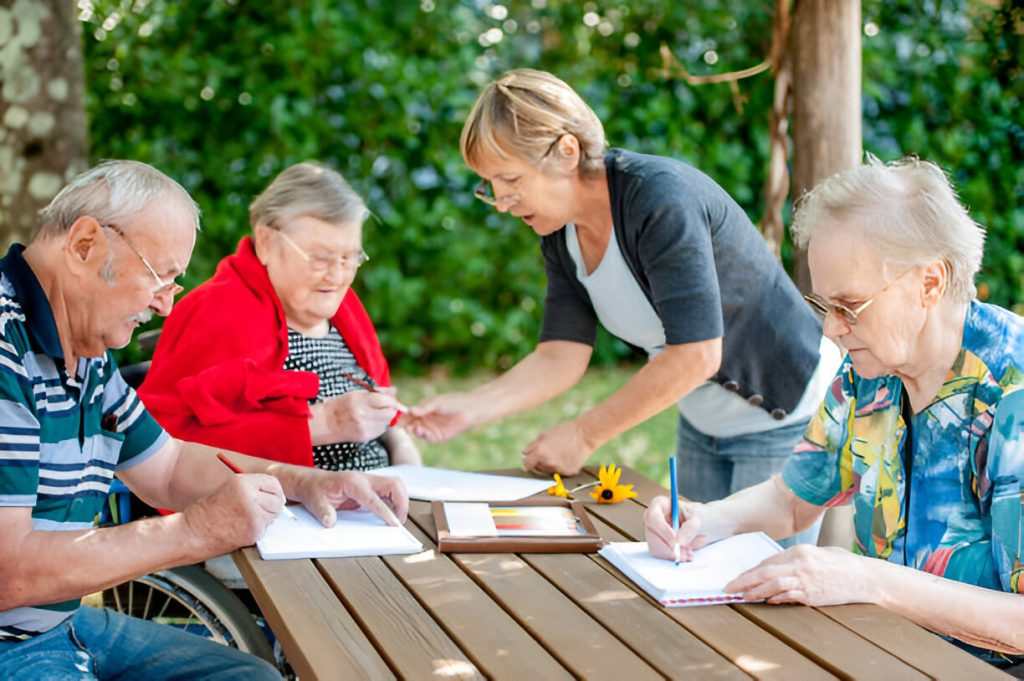
Strong communication is often the bridge that helps seniors feel seen, heard, and connected in assisted living communities. Writing, in particular, can be a powerful tool for building confidence and keeping personal stories alive. Whether it’s through casual letters to family, heartfelt journal entries, or participation in group writing activities, many older adults find that writing brightens their days and strengthens their relationships with caregivers, friends, and loved ones.
For some, quiet afternoons are spent filling journals with memories, reflections, or simple observations. Others eagerly dive into group writing circles, where shared laughter and the trading of stories turn ordinary moments into opportunities for creativity and connection. Having a space to express thoughts can be especially meaningful in assisted living settings, offering residents a refreshing break from routine and a strong sense of personal accomplishment.
Even seemingly small details, like paying attention to grammar and sentence structure, can make a big difference. Clear writing helps seniors communicate their needs, preferences, and hopes with greater ease, making everyday interactions smoother and more satisfying. Whether it’s explaining a new hobby they want to try or sharing memories with visiting family members, strong communication ensures that seniors stay active participants in shaping their daily lives.
Writing also plays a key role in maintaining mental agility. Many residents enjoy reading novels, news articles, or essays with a pen in hand, ready to mark unfamiliar words or phrases. This simple habit challenges the mind, boosts vocabulary, and keeps cognitive skills sharp. There’s a special kind of spark that happens when anyone — at any age — finds new ways to express their ideas, and that spark often leads to more vibrant conversations with neighbors, friends, and staff members.
Social connections are another important benefit of writing. Recognizing this, many assisted living communities offer writing classes, book clubs, or creative writing groups where residents can explore everything from punctuation basics to crafting short stories. These gatherings often turn into lively discussions where questions are welcomed, ideas are exchanged, and encouragement flows freely. For many seniors, joining a writing group reignites old passions and opens doors to new friendships, helping them feel more engaged and purposeful.
“Staying engaged keeps folks energized and motivated,” says Larry Wilson, Certified Senior Advisor at miradorliving.com. “We see strong writing skills encourage new friendships and revive old passions in many communities like ours.”
Embracing writing also fosters a deeper sense of independence. Seniors who write regularly often feel empowered to advocate for themselves, spark new conversations with caregivers, and reach out to others with shared interests. That sense of control — whether found in a short journal entry, a warm handwritten note, or a lively group email — can lift spirits in surprising and lasting ways.
Even small exchanges matter. A quick email, a thank-you letter, or a few thoughtful lines shared during a group meeting can fill the day with connection and meaning. Writing reminds residents that they have valuable stories to tell and voices worth hearing — and that reminder, day after day, can make life in assisted living not just comfortable, but truly thriving.