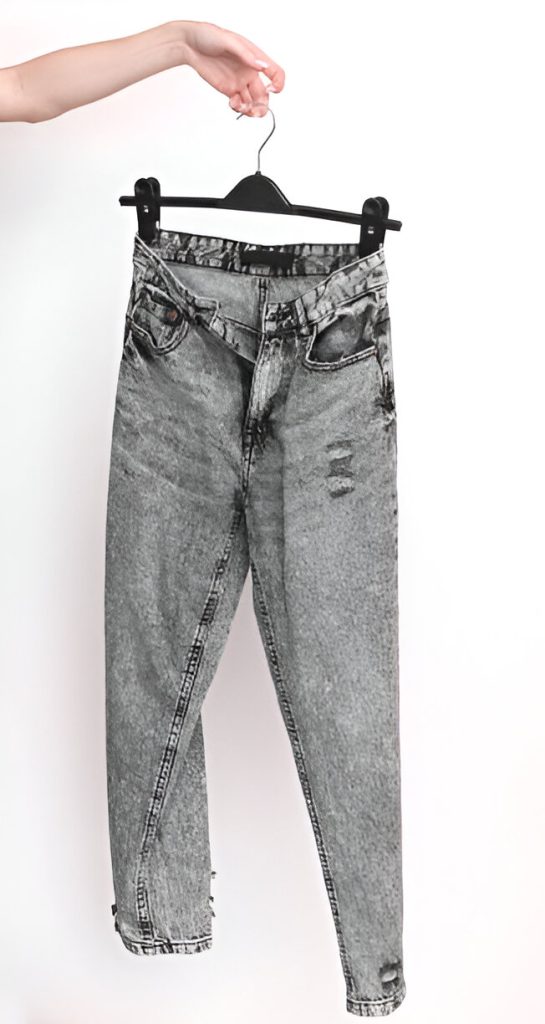
Fashion is often seen as fast-moving, with trends coming and going in the blink of an eye. However, not all fashion trends are fleeting. Some styles endure for years, influencing designers, consumers, and the industry as a whole. This article explores how long fashion trends really last and what factors help them stay relevant beyond a single season.
Understanding Fashion Cycles
Fashion trends typically move in cycles. These include:
- Fads – Short-lived trends that become popular quickly and disappear just as fast
- Trends – Styles that grow steadily and last across multiple seasons or years
- Classics – Timeless pieces that never go out of style (e.g., white shirts, denim jeans)
The key difference between a fad and a lasting trend lies in adaptability, cultural relevance, and widespread acceptance.
Why Some Trends Last Longer
Not all trends are created equal. Several factors contribute to the longevity of a fashion trend:
1. Cultural Relevance
When a trend connects with larger cultural or social movements, it tends to stick around longer. For example, the rise of gender-neutral fashion reflects a broader conversation about identity and inclusivity, giving the trend deep-rooted relevance.
2. Versatility and Wearability
Trends that are easy to style and combine with different outfits are more likely to stay in fashion. Athleisure, for instance, blends comfort and style, making it ideal for everyday wear—this is why it’s been trending for years.
3. Endorsement by Designers and Celebrities
When top fashion houses and celebrities continue to support a look, it remains in the spotlight. A good example is the oversized silhouette trend, which has been seen on runways and in street style for several years now.
4. Availability in Retail
When a trend becomes widely available in both high-end and fast-fashion outlets, it gains traction with a larger audience. Retailers extending a trend into multiple seasons helps it evolve rather than disappear.
Examples of Long-Lasting Fashion Trends
Some fashion trends have demonstrated remarkable staying power:
- Minimalist Fashion: Popular since the 2010s, minimalism emphasizes clean lines, neutral tones, and simple silhouettes. It continues to influence capsule wardrobes and luxury fashion.
- Sneaker Culture: What started as sportswear is now a fashion mainstay. Sneakers are worn with everything from suits to dresses and have evolved into collectibles.
- Sustainable Fashion: More than a trend, this is a growing movement. Consumers and brands are embracing eco-conscious materials and ethical production practices, which are likely to remain important for years to come.
- Vintage and Retro Styles: From 90s chokers to Y2K crop tops, the revival of past fashion eras keeps certain trends relevant across decades.
How Trends Evolve Over Time
Some trends don’t disappear—they evolve. For example, skinny jeans dominated for years but gave way to straight-leg and wide-leg fits. The core idea—denim as a wardrobe staple—remains, even if the cut changes.
Fashion adapts to new materials, technology, cultural shifts, and consumer preferences. As a result, a trend may transform rather than fade, giving it renewed life and extended relevance.
Conclusion
Yes, fashion trends can definitely last longer than a year. While some styles burn bright and fade quickly, others grow stronger with time. Trends rooted in functionality, cultural meaning, and versatility often transition into long-term styles or even timeless classics. As consumers become more conscious and individualistic in their choices, lasting trends are more about personal expression and relevance than just seasonal hype.
Let me know if you’d like an infographic-style summary or a version tailored for students or fashion blogs!
4o




2 thoughts on “Can a Fashion Trend Last Longer Than a Year?”