What Are Common Communication Challenges in Children?
For many children, expressing themselves or understanding others can be a source of daily frustration. Communication difficulties often manifest as speech disorders, which affect how sounds are produced, or language disorders, which affect the ability to comprehend or use language effectively. Social communication disorders can make it hard for children to connect with peers, read nonverbal cues, or participate in group activities, all of which are integral to healthy social and academic development.
The ripple effect of these challenges can be profound. Children may struggle to share their thoughts, ask for help, or interact confidently, leading to potential isolation and diminished self-esteem. As these difficulties persist, they can affect learning, social integration, and emotional well-being. Early identification and support are paramount to minimizing the long-term impacts on a child’s quality of life.
Fortunately, families have access to targeted solutions designed to address these hurdles. One of the most impactful resources is speech therapy, provided by R&R Collaborative Therapy Services. As a trusted provider serving children and families primarily in the Greater Kansas City and Wichita, Kansas areas, their team of certified speech-language pathologists creates individualized treatment plans that empower children to find their voices, build meaningful relationships, and succeed academically. Telehealth options further expand access for families outside these locations.
How Does Speech Therapy Address These Challenges?
The journey begins with a comprehensive assessment. Speech-language pathologists identify the specific nature of each child’s challenges, whether they involve articulation, language comprehension, or pragmatic social skills. From this assessment, a tailored plan is developed, setting clear, achievable goals that carry over into everyday life.
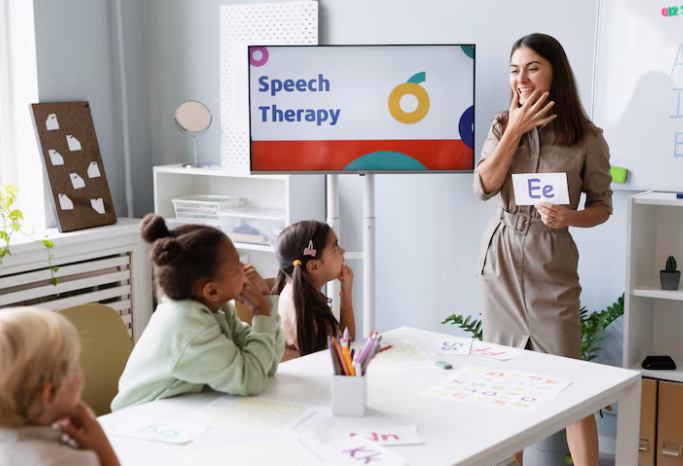
Therapy activities vary by need. Younger children may engage in play-based sessions to encourage spontaneous speech, while older children might focus on structured exercises for grammar, vocabulary, or conversational skills. Social skills groups, peer modeling, and family education are often incorporated to maximize progress. Over time, children gain the tools and confidence to connect with others, express their needs, and fully participate in school and social experiences.
What Are the Benefits of Early Intervention in Speech Therapy?
Early intervention is a decisive factor in achieving favorable outcomes. The sooner communication challenges are addressed, the greater the chances of minimizing setbacks that can affect academic and social trajectories. Effective early therapy helps prevent the widening skills gap and supports smoother transitions through key developmental milestones.
In addition to direct therapy, parental involvement is highly beneficial. Parents who learn and practice strategies at home amplify their child’s progress and reinforce skills outside the clinical setting. When families and therapists partner closely, children are more likely to achieve lasting improvements in both verbal and non-verbal communication, fostering independence and confidence in every setting.
How Does R&R Collaborative Therapy Services Support Children’s Communication Development?
R&R Collaborative Therapy Services customizes its programs based on each child’s strengths, challenges, and developmental needs. Their highly skilled speech-language pathologists work closely with families to establish collaborative goals and adapt therapy session formats for optimal engagement. Sessions may emphasize clear speech, enhanced receptive and expressive language, and tools for navigating social situations.
These efforts are designed not only for immediate gains but also for long-term independence and self-advocacy. The focus on family involvement ensures that children continue to practice new abilities in daily life. With flexible therapy options and a strong community reputation, R&R Collaborative Therapy Services stands out for its comprehensive, family-centered approach, transforming the lives of children in need of speech and language support.
What Role Does Technology Play in Modern Speech Therapy?
The integration of advanced technology is reshaping the field of speech therapy. Emerging tools, such as artificial intelligence, are being used to enhance the precision of diagnosis and treatment. Although these systems are still evolving, current research highlights their potential to complement traditional therapy, making interventions even more accessible and effective. Families and practitioners are increasingly seeing the value of combining the personalized care of experienced speech therapists with innovative digital resources that support ongoing learning and practice outside traditional sessions.
Frequently Asked Questions
How long does speech therapy typically take to show results?
The time required to observe significant improvements in communication varies from child to child. Factors such as the type and severity of the disorder, the frequency of sessions, and parental involvement all play important roles. While some families may notice progress within several months, others may need to invest in therapy for a longer period to achieve their goals.
Can speech therapy help with non-verbal communication challenges?
Absolutely. Speech therapy also focuses on non-verbal forms of expression. Children are taught to supplement or replace spoken language with gestures, sign language, picture boards, or electronic communication devices, ensuring that all children have a reliable way to interact with the world around them.
Is parental involvement important in speech therapy?
Parental involvement is vital throughout the process. Parents who are active participants in their child’s therapy sessions and practice new skills at home consistently report better outcomes. Collaboration is central to long-lasting success, bridging clinical strategies with real-life opportunities for communication.
Conclusion
Helping children overcome communication challenges requires timely, specialized support. With the right combination of early intervention, family engagement, and expert-led individualized programs, children can thrive socially, academically, and emotionally. R&R Collaborative Therapy Services distinguishes itself as an authority in pediatric speech therapy, ensuring families in the local region receive the highest standard of care on their journey toward lasting communication success.