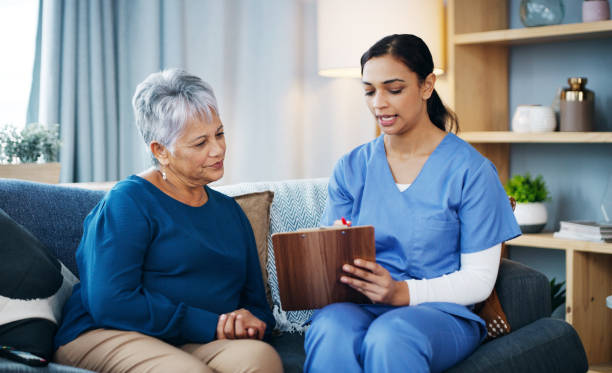
What Are In-Home Health Assessments?
In-home health assessments represent a shift in how preventive care and ongoing medical evaluations are delivered. Instead of requiring individuals to travel to doctors’ offices, care comes directly to where people live. During a typical home-health evaluation, licensed healthcare professionals, such as nurses or nurse practitioners, visit a patient in their home. They conduct a detailed physical examination, thoroughly review current medications, assess environmental risks such as fall hazards, and ask questions about daily routines and any existing health concerns. This on-site perspective allows care teams to identify urgent needs or subtle risk factors that would otherwise go unnoticed in a clinic.
In-home evaluations are versatile, serving individuals of all ages and backgrounds, and are especially beneficial for older adults, those managing multiple chronic conditions, or anyone facing barriers to regular in-office care. Unlike routine doctor visits, these assessments often last longer, with providers taking extra time to listen, build trust, and tailor their advice to each individual’s specific situation. The process helps form a comprehensive picture of someone’s health by bringing the clinical lens into the real-life environment where daily habits and routines occur.
The Benefits for Patients
The most apparent benefit of in-home health assessments is the convenience they offer. When mobility is limited—due to age, disability, or a lack of transportation—accessing quality care within the home can make all the difference. Patients do not need to arrange travel, wait in crowded rooms, or manage the stresses of unfamiliar settings. Instead, they receive one-on-one attention in a comfortable space, which often leads to stronger provider-patient relationships and more meaningful health conversations.
There is also substantial evidence that personalized in-home care helps catch health problems earlier, allowing for faster intervention and treatment. Preventive health services delivered within the home can significantly reduce the future burden of chronic disease and decrease the incidence of hospitalization or emergency care. Home-based evaluations are especially valuable for individuals who live alone or may not recognize subtle changes in their health. With more time and privacy to discuss symptoms, patients can share concerns they might otherwise hide in an office visit, empowering providers to develop truly tailored care plans.
Impact on Chronic Condition Management
For millions of Americans living with chronic conditions such as diabetes, heart disease, or COPD, ongoing assessment and management are crucial. In-home visits allow healthcare professionals to observe how patients manage medications, nutrition, physical activity, and other daily routines. A provider can identify expired medications, unsafe living environments, or poor nutritional habits and then offer practical solutions on the spot.
Engaging with patients where they live allows clinicians to more accurately assess health literacy, identify warning signs, and reinforce safety or self-care strategies. This level of support has been shown to reduce the risk of costly complications and hospitalizations. The American Hospital Association reports a notable surge in the adoption of home-based healthcare, highlighting that such programs help patients with complex health profiles age in place and avoid unnecessary hospital stays, a crucial consideration as the healthcare system evolves to meet growing demand.
How Technology Enables Better Home Evaluations
The last decade has seen an explosion of healthcare technology tailor-made for home environments. Wearable health monitors, remote blood pressure cuffs, glucose meters, and secure apps enable care teams to track a patient’s vital signs, physical activity, and medication adherence remotely. These tools bridge gaps between in-person visits, allowing the providers to catch potentially dangerous changes before they become health crises. Real-time data sharing also facilitates earlier follow-up if concerning trends appear.
Telemedicine, in particular, has revolutionized follow-up care, making it easy to coordinate check-ins and treatment adjustments without the barriers of transportation. After an in-home visit, patients and providers can stay connected to address new symptoms, reinforce treatment plans, or answer questions, all from the convenience of home. Digital health technology doesn’t replace personal interaction, but it does extend the reach and efficiency of care, making proactive wellness possible regardless of where a person lives. This integration of technology and hands-on care has enabled home-based evaluations to scale safely and effectively, narrowing care gaps in both urban and rural communities.
- Wearable devices track day-to-day trends and alert providers to changes in health status.
- Remote monitoring equipment ensures chronic conditions remain stable.
- Telehealth enables timely provider communication and follow-up care.
- Apps improve medication compliance and offer reminders or educational support.
Challenges and Considerations
Despite many positives, in-home health assessments are not free from challenges. Privacy can be a significant concern—patients may feel uneasy having a provider in their home or worry about the confidentiality of their digital health data. Clear provider communication and adherence to strict privacy policies are essential to fostering trust. Another hurdle is access to technology; some regions, especially remote or rural areas, still face unreliable broadband or cell phone coverage, which makes telehealth and real-time monitoring less feasible.
The growing demand for in-home care also puts pressure on an already strained workforce. There is a high need for clinicians with special training in home-based care, as well as support staff who can coordinate logistics and services. To address these issues, health systems are experimenting with mobile hotspots, community-based training, and the more effective use of mobile health vans. These creative approaches, combined with policy changes, can help expand meaningful access to home-based services across various patient populations.
The Role of Care Coordination
Effective in-home care is built on seamless collaboration among care teams. Once an assessment is performed, the real value comes in how those findings are acted upon. Care managers, nurses, social workers, pharmacists, and primary care physicians work in partnership to turn assessment results into actionable steps tailored to each patient’s specific needs. This may include adjusting medications, referring patients to specialists, connecting them with local community organizations, or establishing additional services for nutrition, mobility support, or mental health counseling.
Coordination is key to ensuring every handoff is smooth and that nothing is lost between visits, hospital stays, or specialist appointments. Meticulous documentation and secure information sharing prevent duplication and reduce the risk of errors. This collaborative, holistic approach forms the foundation for improved outcomes and higher patient satisfaction. Patients are more engaged, understand their care plans, and receive support at every step of their healthcare journey.
The Future of Home-Based Preventive Care
The future of preventive care is being shaped by consumer demand for more accessible, adaptable solutions. As populations age and chronic disease rates rise, more people will want—and need—services that support independence in the home. Home-based preventive care isn’t just a passing trend; it’s poised to become a cornerstone of the healthcare system. Research suggests that regular in-home assessments can help close prevention gaps and allow for intervention before crises develop.
Insurance companies, government programs, and healthcare systems are responding by updating payment models, expanding pilot programs, and investing in further technology upgrades. These efforts are paving the way for broader access, better outcomes, and a more equitable healthcare experience. As public health priorities continue to evolve, the ability to offer personalized, technology-enabled care at home will be critical to success.
Frequently Asked Questions
- Who can benefit from in-home assessments?
- Most individuals can benefit, but the advantages are most significant for older adults, people managing chronic conditions, and those who face challenges traveling to clinics. Even people in good health may gain peace of mind and valuable health education from an at-home evaluation.
- How often should these assessments occur?
- The timing should be tailored to individual needs and risk factors. Annual or biannual visits are common, especially for individuals with existing medical conditions, but the frequency can be adjusted based on provider recommendations.
- Do insurance plans cover these types of visits?
- Coverage varies widely by insurance provider and plan. Patients should check directly with their insurance company or healthcare provider to understand their specific benefits and coverage details.




5 thoughts on “How In-Home Health Assessments Are Changing Preventive Care”