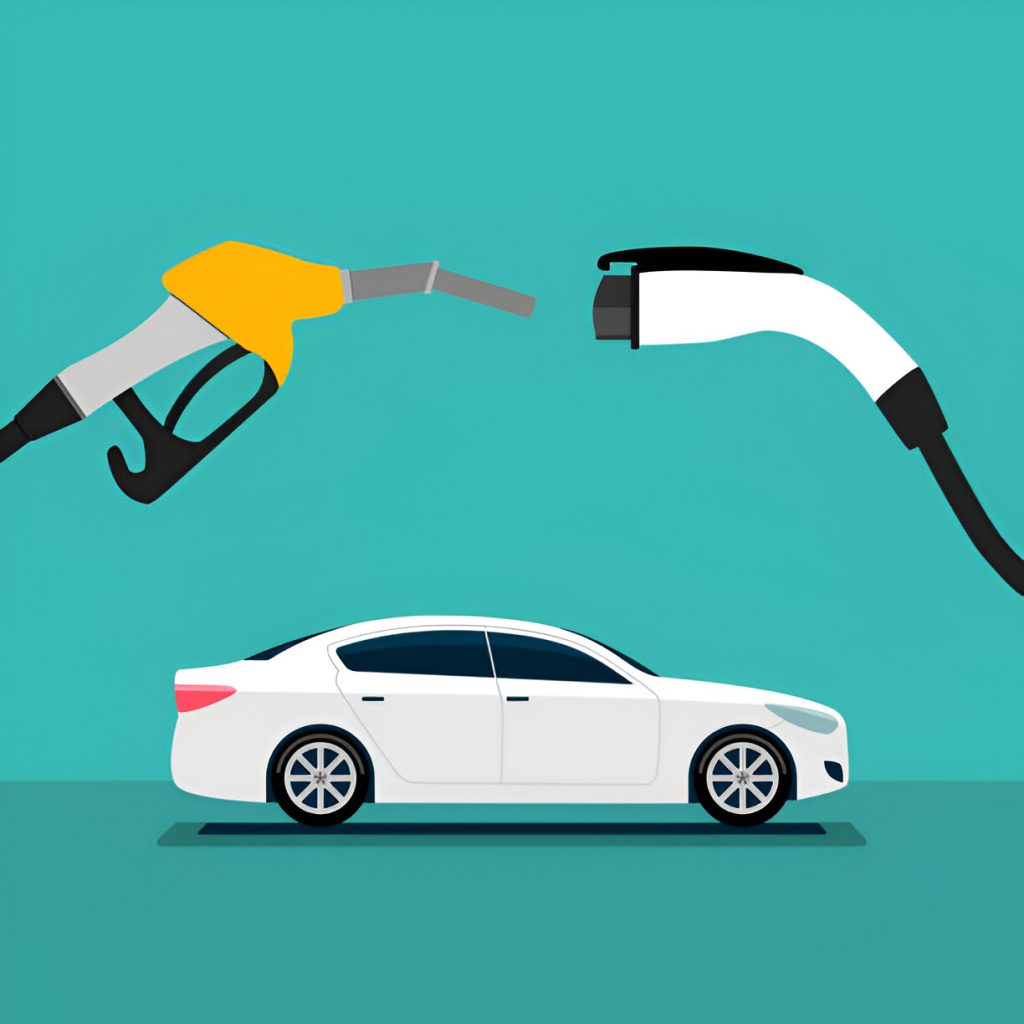
Electric cars (EVs) are transforming the automotive landscape with their eco-friendly appeal and innovative technology. As more countries push for sustainable solutions to reduce carbon emissions, EVs have become a popular choice for consumers and manufacturers alike. However, while they offer many benefits, electric cars also come with certain drawbacks. Here’s a comprehensive look at the advantages and disadvantages of electric cars.
Advantages of Electric Cars
Environmentally Friendly
Electric cars produce zero tailpipe emissions, which means they do not release harmful gases like CO₂, nitrogen oxides, or particulates during operation. This helps reduce air pollution and combat climate change.
Lower Operating Costs
EVs are cheaper to run than gasoline-powered cars. Electricity is generally less expensive than fuel, and electric motors are more energy-efficient. Additionally, fewer moving parts mean lower maintenance costs over time.
Government Incentives
Many governments offer tax credits, rebates, and incentives for purchasing electric cars. These can significantly reduce the upfront cost, making EVs more affordable to the average consumer.
Quiet and Smooth Ride
Electric motors operate silently, resulting in a quieter cabin experience. They also provide instant torque, ensuring smooth and quick acceleration without gear shifts.
Reduced Dependence on Fossil Fuels
By using electricity (which can be generated from renewable sources), EVs reduce our reliance on oil and help promote energy independence.
Disadvantages of Electric Cars
Limited Driving Range
Despite advancements, most EVs still have a shorter range than traditional cars. Long trips can be challenging without access to charging stations, making range anxiety a real concern for some users.
Charging Infrastructure
Charging stations are still not as widespread or accessible as gas stations. Depending on where you live, charging availability may be limited, especially in rural or less developed areas.
Long Charging Times
Unlike refueling a petrol vehicle, charging an EV can take several hours, especially with standard home chargers. Fast-charging stations exist but are not yet universally available.
Higher Upfront Cost
Although running costs are lower, the initial purchase price of an electric car is generally higher than that of a similar gas-powered vehicle. Battery costs are a significant factor in this price gap.
Environmental Impact of Battery Production
Producing lithium-ion batteries used in EVs can have environmental consequences, including resource extraction, energy use, and waste management. Battery recycling is improving but still poses challenges.
Conclusion
Electric cars are a promising solution for a greener future. They offer significant environmental benefits and lower long-term costs, making them an attractive option for many drivers. However, they also face hurdles such as range limitations, infrastructure challenges, and higher upfront costs. As technology continues to evolve, it’s likely that these disadvantages will be addressed, paving the way for wider EV adoption.
Whether you’re considering buying an electric vehicle or just staying informed, understanding both the pros and cons will help you make smarter decisions in the evolving automotive world.
4o




1 thought on “Electric Cars: Advantages and Disadvantages”