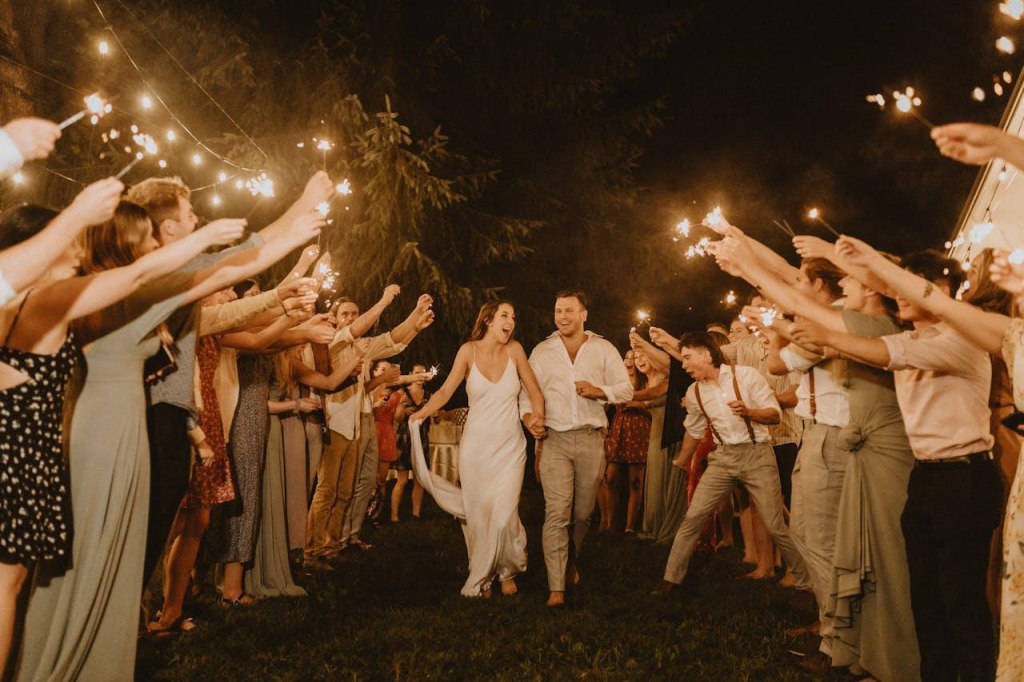
Whether you’re organizing a formal dinner, a corporate conference, or a local festival, the people behind the scenes can significantly shape the experience. When all goes as planned, guests are relaxed and engaged. But, when turmoil erupts backstage, even the most beautiful site is useless.
This makes running your support group equally vital than planning the event. These seven tips will help to make sure your team stays under control, focused, and involved all through the process.
1. Assign Clear Roles in Advance
Nothing slows things down faster than confusion about who’s responsible for what. Create a list of roles and responsibilities ahead of time, and assign each one to the right person. This eliminates overlap and ensures accountability. When people know exactly what’s expected of them, they can step into their roles with purpose.
2. Share the Full Itinerary
To keep everything running on schedule, your group needs access to the full event timeline. From setup to clean-up, provide a detailed breakdown that includes key moments like speeches, food service, entertainment, and closing remarks. A well-informed team can anticipate changes and adjust quickly when needed.
3. Conduct a Briefing Before Go-Time
Even with a written plan, it’s important to do a quick verbal check-in. Gather everyone shortly before things kick off to review assignments, confirm any updates, and set expectations for communication. A short huddle helps everyone feel grounded and mentally prepared for what’s ahead.
4. Keep Communication Lines Open
Throughout the day, make sure there’s a reliable way for everyone to stay in contact. Whether it’s a messaging app, walkie-talkies, or direct phone calls, being able to reach each other quickly can help solve problems before they escalate. Good communication supports a more efficient workflow and keeps everyone connected.
5. Encourage Proactive Problem-Solving
Give your group permission to take the initiative when appropriate. If someone sees something out of place (like a missing chair or an unlit candle) they should feel confident enough to fix it without waiting for approval. This creates a more responsive and efficient environment, where small issues don’t become big ones.
6. Set the Tone with Professionalism
As the leader, your attitude and approach shape the dynamic. Staying calm and respectful, especially during high-pressure moments, encourages others to do the same. When people feel supported and respected, they’re more likely to perform at a high level.
Professionalism also extends to the services you choose for your event. For high-profile conferences, VIP guests, or executive dinners, partnering with a trusted transport provider like Premier Chauffeur Drive ensures smooth arrivals and departures. Reliable chauffeurs and luxury vehicles reinforce the polished image you want your event to project.
7. Recognize Effort and Offer Feedback
When the event is over, take time to acknowledge what went well. Whether it’s a quick thank-you message or a short debrief, showing appreciation strengthens your working relationships. Don’t forget to note areas for improvement, too – constructive feedback helps your team grow stronger with every experience.
Extra Ways to Keep Things Running Smoothly
In addition to the core tips above, a few extra strategies can help you stay ahead of common challenges.
- Create a Back-Up Plan
Unexpected situations happen – whether it’s a supplier running late or a last-minute guest count change. Always have a contingency plan, and make sure your staff knows how to react if things shift on the fly.
- Make Breaks a Priority
It’s easy to focus on guests and forget about the needs of your team. Schedule staggered breaks so that everyone gets a moment to recharge without leaving the floor understaffed. Even a short pause can improve energy and focus.
- Invest in the Right Tools
If you’re running multiple stations or have a complex setup, having the right equipment can make a world of difference. Labelled bins, clipboards, headset systems, or even colour-coded wristbands can reduce confusion and increase preparedness.
- Observe and Adjust During the Event
No plan is perfect. Keep an eye on the flow and be ready to make quick adjustments. If a queue is forming or a task is taking longer than expected, shift resources in real time. Being responsive is one of the most valuable skills a manager can bring to the table.
As seen with premium services like Elle Cuisine, the real magic of a memorable experience lies not only in presentation but in how seamlessly the moving parts come together behind the scenes. It’s that invisible coordination that makes things look effortless.
Setting the Stage for Success
Planning a great event calls for more than just running a checklist; it also calls for inspiring staff members to give their all. With well-defined planning, motivating leadership, and an emphasis on communication, you can build a team that is orderly and efficient. Using the right approach, your next event might go from start to finish without incident.
And of course, not every gathering has to be corporate. For more intimate occasions like date nights, anniversaries, or even creative team-building activities, experiences such as couples dance lessons in North York can add a refreshing and memorable touch. Dancing together fosters connection, fun, and teamwork—qualities that matter just as much off the dance floor as they do in event management.