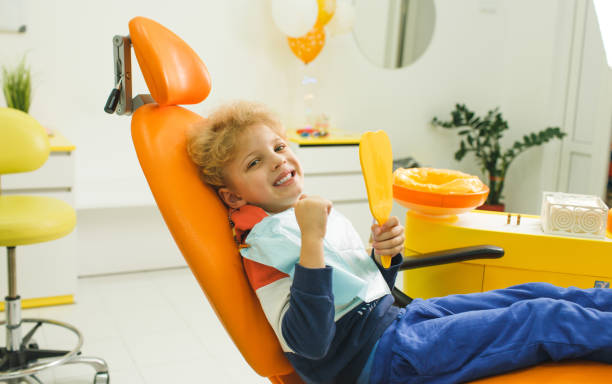
A visit to the dentist can shake a child’s sense of safety. Strange sounds. Strong lights. New people. You might feel your own worries rise when your child grips your hand a little tighter. That reaction makes sense. Many adults still carry old memories from their own dental visits. Yet your child does not need to feel that same fear. With clear steps, you can guide your child toward calm and control in the dental chair. This support starts at home. It continues in the waiting room. It grows during each visit with a trusted dentist in Saint Paul. You can help your child speak up, ask questions, and feel proud after each appointment. This blog shares six direct tips you can use today. Each tip aims to turn an uneasy visit into a steady routine that protects your child’s teeth and strengthens your child’s confidence.
1. Use simple, honest words before the visit
Your child reads your face and your voice. You set the tone. You do not need long talks. You need clear, calm facts.
- Say what will happen in plain words. For example, “The dentist will count your teeth and clean them.”
- Avoid scary words like “hurt” or “shot”. Use “numbing medicine” or “sleepy gel” if needed.
- Answer questions with truth. If you do not know, say, “We can ask the dentist.”
You can also show short videos that match your child’s age. Use trusted sources such as the American Dental Association’s MouthHealthy for children. These clips show what to expect in the chair. That picture can lower tension before you even leave home.
2. Practice at home with “pretend visits”
Kids grow braver when they can rehearse. A short game can turn a fearful mystery into a known routine.
- Play “dentist” with a stuffed animal or doll. Take turns as dentist and patient.
- Count teeth with a clean spoon as a pretend mirror.
- Use a small flashlight to “check” teeth for sugar bugs.
During this game, practice three skills.
- Opening wide for a few seconds.
- Raising a hand to pause.
- Taking slow belly breaths.
This play gives your child a simple script. Your child walks into the office already knowing the basic moves. That sense of control builds trust.
3. Model calm behavior and steady support
Your child watches you more than the staff. Even if you feel tense, you can show a steady front.
- Use a relaxed posture in the waiting room. Sit back. Unclench your hands.
- Speak in a low, even voice. Short, clear phrases work best.
- Avoid sharing your own bad dental stories. Save those for another time.
The Centers for Disease Control and Prevention on children’s oral health notes that regular dental visits matter for long-term health. That routine starts with you. When you treat visits as a normal part of life, your child learns that message. The chair becomes a place for care, not punishment.
4. Use small choices to build control
Fear often grows when a child feels trapped. Small choices can restore control. These choices do not change the needed care. They change how your child moves through it.
- Let your child choose a comfort item such as a toy or small blanket.
- Offer a choice of music through headphones or a story to focus on.
- Ask, “Do you want me to hold your hand or sit in the chair nearby?”
Tell your child about a simple hand signal to pause. Then respect that signal. When the dentist stops, your child learns that the signal works. That proof can lower fear much more than any speech.
5. Plan rewards that praise effort, not “being brave”
Many parents say, “Do not cry” or “Be brave”. That pressure can raise shame when fear still shows up. You can focus on effort rather than emotion.
- Before the visit, agree on a small reward. For example, an extra bedtime story, a park visit, or a sticker chart.
- State the goal in clear terms. “You get your reward for trying your best and using your hand signal and breaths.”
- After the visit, name three things your child did well. For example, “You opened wide. You asked a question. You stayed in the chair.”
This focus teaches your child that courage is action. It is not the lack of fear. Over time, your child links the dental chair with effort and pride instead of shame.
6. Build a stable routine with the same team
Confidence grows with repetition. A single calm visit helps. A steady pattern of visits builds real comfort.
- Schedule regular checkups at the same office.
- Ask for the same hygienist when possible.
- Keep appointments at similar times of day when your child has the most energy.
Each visit then follows a simple rhythm. Your child sees the same faces. Hears the same steps. Knows what comes next. That predictability turns a strange place into familiar ground.
How your support shapes each visit
The table below shows how small changes in your approach can shift your child’s experience.
| Parent action | Common child reaction | Confidence building result |
|---|---|---|
| Talks about own scary dental stories | Child expects pain and loss of control | Higher fear. More resistance in the chair |
| Gives simple facts and honest answers | Child knows what will happen next | More trust. Lower worry |
| Rushes to the visit with no practice | Child feels surprised by sounds and tools | More tears. More need for restraint or extra help |
| Plays “dentist” at home with hand signals | Child treats visit as a known routine | More calm body. Better cooperation |
| Says “Do not cry. Be brave.” | Child hides fear or feels shame | Fear stays. Trust withers |
| Praises effort and coping skills | Child feels seen for trying | Stronger courage at next visit |
Putting the six tips into action
You do not need to change everything at once. Start with three steps.
- Pick one phrase to use before each visit. For example, “The dentist helps keep your teeth strong.”
- Plan one short pretend visit at home before the next appointment.
- Choose one reward that praises effort, such as an extra story or game together.
Repeat these steps each time. Confidence does not appear in a single day. It grows through steady care, honest words, and small choices that honor your child’s fear while guiding your child through it. With your support, the dental chair can become a place of courage, not dread.