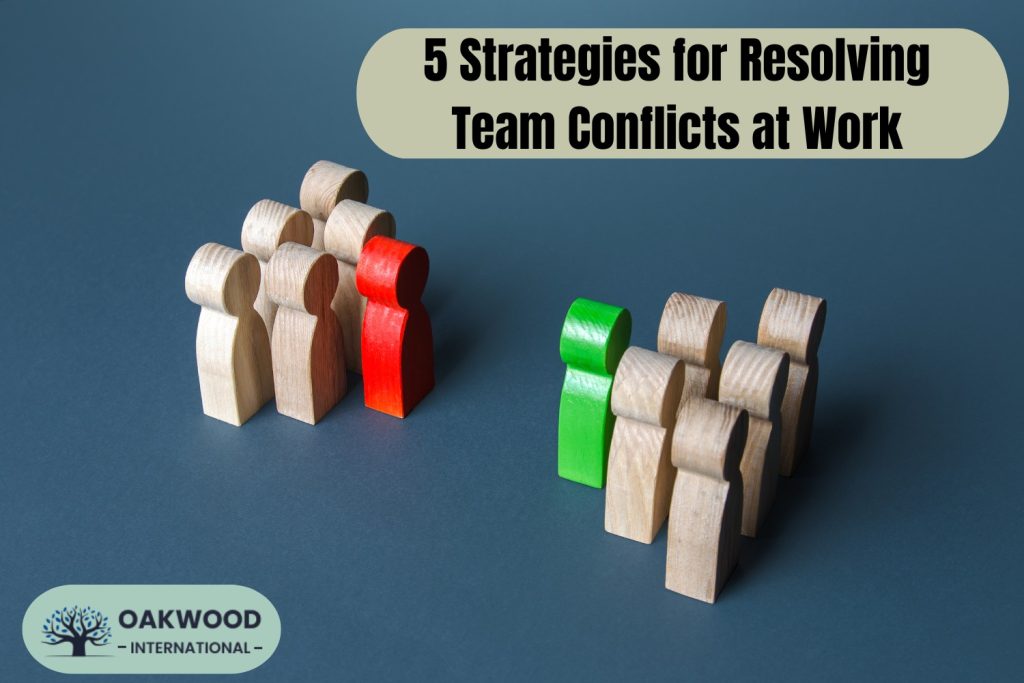
Conflicts can shake even the most talented teams. Whether it is a clash of ideas or clashing personalities, learning how to handle disputes is a key leadership skill. The CIPD Level 7 qualification encourages leaders to develop advanced people skills, especially in tricky situations like these. At the heart of effective Conflict Management lies the ability to keep communication flowing and relationships intact. So, how do you turn tension into teamwork without losing momentum?
Here are five strategies that make all the difference.
Table of Contents
- Spot the Problem Before It Escalates
- Listen Like a Leader
- Stay Neutral and Focused
- Find the Common Goal
- Set Clear Behaviour Boundaries
- Conclusion
1. Spot the Problem Before It Escalates
Early action can prevent small issues from escalating into full-blown crises.
It is rare for team disagreements to suddenly flare up. They frequently start slowly, often beginning with an uncontrolled, caustic remark, a team member who constantly interrupts others or even nebulous role misconceptions. These are indicators that a problem is brewing beneath the surface. Addressing these indicators before animosity develops is made easier for leaders who can recognise them early.
Professionals pursuing CIPD Level 7 receive training to enhance their emotional intelligence, awareness of team dynamics, and nonverbal communication skills. They receive training on how to read nonverbal cues, tone changes, and disinterest in meetings. A brief coffee talk or regular one-on-one could help you identify problems before they escalate. An open-door approach also makes it easier for team members to speak up rather than keep things to themselves.
2. Listen Like a Leader
True listening builds trust and lowers tension.
People often simply want to be seen and understood in many confrontations. However, it’s simple to believe you know the entire tale or to half-listen while multitasking in hectic work environments. It takes more work to truly listen. It implies putting aside distractions, paying complete attention to someone, and being interested instead of defensive.
Empathy is the first step to managing conflicts well. When leaders listen, they should strive to learn rather than respond. Ask for more information. Review what was said again to ensure you understand. Saying something like, “So what I’m hearing is” can help someone feel important and calm down. People are more likely to listen back when they feel like they are being heard. This mutual respect enables open and honest discussions that focus on finding effective solutions.
3. Stay Neutral and Focused
Your reaction can either calm the storm or fan the flames.
It’s tempting to take sides and join in as tensions escalate. However, doing so may further exacerbate the situation and alienate one individual. Effective leaders understand the importance of maintaining a neutral stance. This entails assisting everyone in feeling that their opinions count without making snap judgements or placing blame.
Focussing on the problem rather than the people involved is a good way to stay neutral. Reframe claims that are based on feelings into facts. Instead of having a team member say, “She’s always negative,” you could tell them to say, “It made me sad when my idea was turned down.” The CIPD Level 7 helps leaders learn how to manage their emotions, maintain an open mind, and conduct talks that are fair and balanced. This calm presence helps everyone stay focused on the task at hand.
4. Find the Common Goal
Unity comes from focusing on shared outcomes.
While disagreements tend to drive individuals apart, common objectives unite them. Generally speaking, even the most irate team members share a common goal: a successful project, improved communication, or reduced work stress. Leaders can steer discussions back to this area of agreement.
Pose queries such as “How would both of you define success?” or “What are some ways we can cooperate to get there?” This changes the focus from placing blame to finding solutions. The team’s emotional temperature is frequently lowered by reminding them of the larger picture. Over time, this behaviour fosters improved teamwork and lays the groundwork for effective conflict management techniques.
5. Set Clear Behaviour Boundaries
Respect is the baseline for every discussion.
Teams in good health can disagree. Good debates result in better judgements. However, disagreement and contempt are two quite different things. For this reason, it’s critical to establish certain ground rules for team conduct. These guidelines establish the framework for resolving disputes.
These could include speaking in turns, staying true to the facts, and refraining from insults. Everyone feels accountable for keeping these when they are set as a team. You can revert to the group’s decision if someone goes too far. Through controlled dialogues, CIPD Level 7 learners learn how to establish these safe spaces, resulting in more resilient and courteous teams.
Conclusion
Mastering team conflict resolution takes more than good intentions. It demands sharp awareness, structured conversations, and mutual respect. With the right tools, leaders can turn tension into trust. If you’re looking to build these skills and step into a senior HR or leadership role, a course from Oakwood International can guide your next move in Conflict Management.