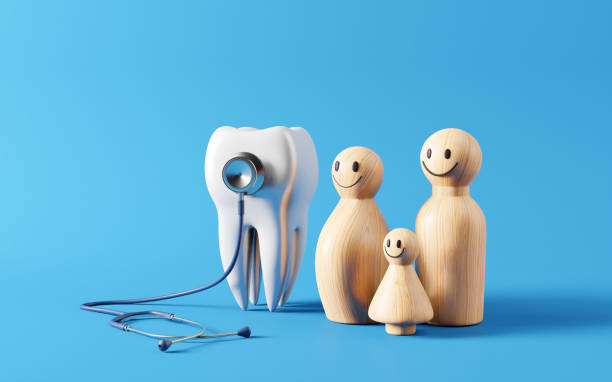
Your teeth carry your story. They show how you eat, speak, and care for yourself. Preventive dental care protects that story before pain starts. It stops small problems from turning into infections, broken teeth, or emergency visits. When you meet with a dentist in Anchorage, AK, you should feel safe to ask clear questions. You should know what they are watching, why it matters, and how often you need care. This blog gives you four sharp questions that help you get straight answers. Each one focuses on simple steps that lower your risk of cavities, gum disease, and tooth loss. You learn what exams, cleanings, and screenings you need. You also learn what you can do at home. With the right questions, you and your dentist work as a team. You protect your health. You avoid surprise costs. You keep your smile strong.
1. What preventive services do you recommend for me this year?
You need clear, personal guidance. Not a long list of random treatments. Ask your dentist to name the exact services you need over the next year and why.
Key services often include:
- Regular checkups and cleanings
- X rays on a set schedule
- Fluoride treatments for decay risk
- Sealants for children and some adults
- Oral cancer screenings
Then ask three follow up questions.
- What problem does each service prevent
- How often do I need it
- What happens if I skip it
This keeps the visit honest. You hear the reason for every step. You see which care is urgent and which is optional.
The Centers for Disease Control and Prevention share that untreated decay and gum disease cause pain, missed school, and missed work. Regular cleanings and exams cut that risk. You deserve to know how your plan does that for you.
2. How do my current teeth and gums look compared to healthy ones
You cannot fix what you cannot see. Ask your dentist to show you what they see.
Use this question to guide the talk.
- Can you show me my trouble spots in a mirror or on a screen
- How do my gums compare to healthy gums
- Where do you see early signs of decay or wear
Ask for clear words. For example, instead of hearing that you have “mild periodontitis”, you can ask them to say if your gums are swollen, bleeding, or pulling away from the teeth. Then ask what that means for your daily life.
The National Institute of Dental and Craniofacial Research notes that gum disease often stays silent at first. You might not feel pain until damage is serious. A clear look and plain language help you act early.
You can also ask how your mouth compares to someone your age with healthy teeth. This gives you a simple yardstick. You know if you need to keep steady or change course.
3. What can I change at home to prevent problems
Most of your dental care happens at home. Your daily habits either protect your mouth or wear it down. You need a short, specific plan.
Ask your dentist to list three changes that would help you most right now. For example, they may suggest you
- Brush twice a day for two minutes with fluoride toothpaste
- Clean between teeth once a day with floss or a water tool
- Cut back on sugary drinks and snacks between meals
Then ask why each change matters for you. If you have dry mouth, the focus may be on sipping water and using fluoride. If you grind your teeth, the focus may be on a night guard and stress habits.
You can also ask about your child. Ask what you should do for their age group. Ask when to start flossing. Ask how to handle thumb sucking or sports mouthguards.
The National Institute of Dental and Craniofacial Research explains that fluoride and smart snacking cut cavity risk. Your dentist can turn that into a clear routine that fits your life.
4. How often should I return, and what will happen at each visit
Many people feel lost about visit timing. You might think once a year is enough. For some people, it is not. Disease can grow fast. Costs then rise fast.
Ask your dentist for a schedule and a reason.
- How often do you want to see me this year
- What will you do at each visit
- What signs would make you change that schedule
Some people need visits every three or four months. Others do well with six-month visits. The right plan depends on your risk.
To see why this matters, look at this sample comparison.
Sample outcomes with routine preventive visits
| Pattern of care | Short term | Five year outlook |
|---|---|---|
| Regular visits twice a year | Small issues caught early. Short visits. | Fewer fillings. Lower chance of tooth loss. |
| Irregular visits only when in pain | Emergency visits. Strong pain. Longer treatment. | More root canals and extractions. Higher costs. |
| No visits for many years | Hidden decay and gum disease grow. | High risk of many extractions and dentures. |
This table is simple, yet the message hits hard. Routine care catches quiet problems. Delayed care turns quiet problems into crises. You deserve to avoid that spiral.
How to start this talk at your next visit
You might feel nervous about asking hard questions. That is normal. You are not rude. You are guarding your health and your money.
You can bring a short written list with these four questions. You can hand it to your dentist at the start of the visit and say you want clear answers before you leave. Many dentists welcome this. It helps them focus on what matters most to you.
You can also bring a trusted person to listen and take notes. Pain, fear, or stress can cloud what you remember. A second set of ears protects you.
Your mouth affects how you eat, talk, sleep, and work. You deserve a dentist who treats you like a partner. Use these four questions to claim that role. You will gain control. You will face fewer shocks. You will keep your story strong every time you open your mouth to laugh or speak.