
Eye strain from smartphone screens is a genuine concern as usage increases. Selecting a display that minimizes discomfort is crucial for maintaining good visual health. Several technological advancements promise better eye comfort, and choosing the right screen can enhance your viewing experience while minimizing fatigue. This guide explores different smartphone screen types and essential features that promote eye comfort, empowering you to make an informed decision when purchasing your next device. We delve into the benefits of OLED, AMOLED, LCD, IPS, and even less conventional screens like E-Ink, ensuring that your choice aligns with your need for eye-friendly technology.
Display Types and Eye Comfort
The type of screen on your smartphone significantly impacts eye comfort. Variations in technology dictate how each screen handles light, colors, and refresh rates, contributing to overall eye strain reduction. Understanding these distinctions is vital.
OLED and AMOLED Screens
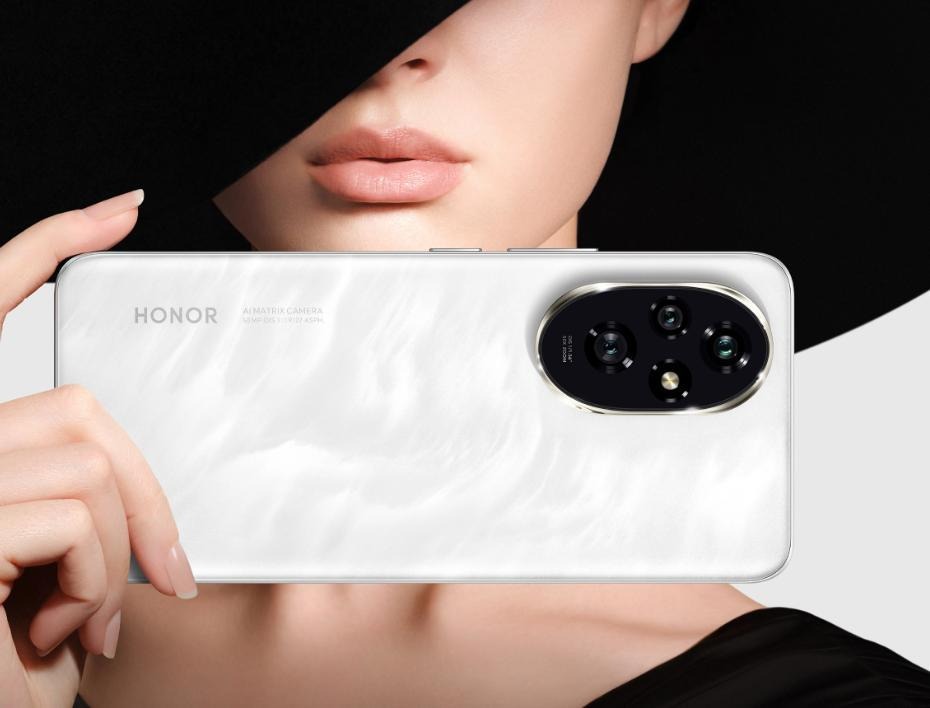
OLED (Organic Light Emitting Diodes) and AMOLED (Active Matrix OLED) screens are known for their excellent color reproduction and deep blacks. These screens illuminate pixels individually, allowing for high contrast ratios and energy-efficient displays. By not requiring a backlight, OLEDs minimize light leakage, reducing unnecessary eye strain. AMOLED, an advancement in OLED technology, integrates an active matrix system that boosts performance with faster response times and better power consumption. Smartphones equipped with modern AMOLED panels—such as those found on devices like the HONOR 200—often balance vibrant visuals with eye-comfort optimizations, making them suitable for extended daily use.
LCD and IPS Displays
Liquid Crystal Displays (LCDs), especially those utilizing In-Plane Switching (IPS) technology, are highly prevalent due to their consistent brightness and accurate color rendering. IPS enhances LCD screens by improving viewing angles and color consistency, making them ideal for bright environments. LCDs use a backlight, which can lead to potential eye strain from prolonged exposure. However, advancements like anti-reflective coatings and improved screen refresh rates have mitigated these downsides. Consider LCD with IPS for stable and color-accurate viewing experiences that prioritize eye comfort.
E-Ink and Paper-Like Screens
E-Ink displays offer an entirely different type of viewing experience akin to reading printed paper. They are primarily found in e-readers but have started appearing in smartphones geared towards minimalism and long-term reading without strain. E-Ink screens do not emit blue light, making them ideal for reading content over extended periods without fatigued eyes. Unlike LCDs and OLEDs, E-Ink relies on reflected ambient light, as paper does, reducing glare and increasing readability in direct sunlight.
Eye Comfort Screen Features to Look For
Aside from the type of display, several screen features enhance eye comfort. These features are designed to mitigate strain caused by prolonged use and to adapt to various lighting conditions. Understanding these features can help you select a smartphone that not only appeals visually but also protects your vision.
Blue Light Filters and Night Modes
Blue light filters and night modes are integral in reducing eye strain by limiting exposure to harmful wavelengths emitted by screens. Blue light, known for contributing to digital eye strain and potential sleep disturbances, is effectively minimized through these settings. Many smartphones incorporate night modes that alter the color temperature of the display to warmer tones during evening hours. This adjustment not only alleviates stress on the eyes but also supports better sleep patterns. Brands like HONOR manufacturers commonly include such features automatically or as customizable settings, allowing users to tailor their devices for optimal eye comfort.
Flicker Reduction & High PWM Frequencies
Screen flickering, caused by low Pulse Width Modulation (PWM) frequencies, can lead to significant eye strain over time. Contemporary smartphones are increasingly addressing this by integrating high PWM frequencies or utilizing DC dimming techniques. High frequencies or DC dimming reduce perceptible flicker, ensuring smooth transitions in brightness and reducing discomfort. Notable examples include HONOR, which has implemented these technologies in its devices to cater to sensitive users. Prioritizing flicker reduction is crucial for minimizing fatigue, especially with prolonged device usage.
Adaptive Brightness & Refresh Rate Tech
Adaptive brightness dynamically adjusts screen brightness based on ambient light conditions, minimizing abrupt changes that can cause eye strain. This feature, alongside advanced refresh rate technologies presents seamless transitions and consistent image stability. High refresh rates result in smoother motion, enhancing visual stability and comfort during usage. Devices equipped with these technologies optimize user experience by providing more fluid interactions and eliminating jarring visual changes. For users prone to discomfort from sudden brightness shifts or lagging visuals, these advancements are indispensable.
Conclusion
Choosing the right smartphone screen for eye comfort involves understanding both the display type and the accompanying technologies that mitigate strain. Whether opting for OLED, AMOLED, LCD, IPS, or E-Ink, each offers distinct advantages tailored to providing a comfortable viewing experience. Additionally, features such as blue light filters, flicker reduction, adaptive brightness, and refresh rates significantly contribute to eye safety and usability. By evaluating these factors carefully, users can make informed choices that ensure their devices not only serve their digital needs but also prioritize their ocular health for long-term satisfaction and comfort.