Solar energy has rapidly shifted from a niche technology into a practical household consideration for many homeowners. Rising utility costs, improved equipment efficiency, and growing interest in energy independence have all contributed to this change. Yet despite its popularity, solar power can still feel confusing to those encountering it for the first time. Questions about costs, savings, installation requirements, and long-term reliability are completely reasonable. A clear understanding of the basics helps prevent expensive mistakes and unrealistic expectations. In this article, key concepts, financial considerations, and common pitfalls are explained in a way that supports confident decision-making.
1. How Solar Panels Actually Work
Solar panels convert sunlight into usable electricity through photovoltaic cells, which generate direct current (DC) power when exposed to light. Because most homes operate on alternating current (AC), an inverter is used to transform the electricity into a compatible form. During daylight hours, this power can supply household appliances, reducing reliance on the grid. Any excess production may be exported depending on local utility arrangements, while deficits are covered by standard electricity service. System performance depends on factors such as panel orientation, shading, and seasonal sun exposure. Although the underlying science is complex, daily operation is largely automatic once the system is installed.
2. What Solar Costs and Saves
The cost of a residential solar system varies widely based on system size, location, roof characteristics, and equipment quality. Upfront expenses typically include hardware, design, permitting, and installation labor. While this initial investment can appear substantial, long-term savings often offset the cost over time through reduced electricity bills. Payback periods differ depending on energy usage patterns and local utility rates, making personalized estimates essential. Maintenance costs are generally low, but not nonexistent, as inverters and other components may eventually require replacement. Evaluating solar strictly by purchase price can be misleading without considering system lifespan and cumulative energy savings.
3. Is Your Home a Good Fit?
Roof Age, Condition, and Remaining Life
Roof condition plays a crucial role in determining whether solar installation is practical and financially sensible. Panels are designed to last decades, so placing them on a roof nearing the end of its life can create avoidable complications. Premature roof replacement may require panel removal and reinstallation, adding unexpected costs. Structural integrity also matters, as mounting hardware must be securely anchored without causing damage. Professional inspections help identify potential issues such as weakened decking or water intrusion risks. Addressing roofing concerns before installation typically reduces long-term inconvenience and expense.
South-Facing Exposure With Minimal Shade
Sunlight availability directly influences how much electricity a solar system can generate. Roof surfaces with strong southern exposure generally receive more consistent sunlight throughout the day, improving energy production. Shade from trees, chimneys, or nearby buildings can significantly reduce efficiency even if only part of the array is affected. Seasonal changes in sun angle may alter shading patterns, making year-round evaluation important. Modern design tools allow installers to simulate expected performance under different conditions. Careful site assessment helps ensure realistic expectations and prevents disappointing results.
Local Net Metering and Utility Policies
Utility policies strongly shape the financial benefits associated with residential solar systems. Net metering arrangements may allow homeowners to receive credit for surplus electricity sent back to the grid. The structure of these credits, however, differs by region and can affect payback calculations. Some utilities apply time-of-use pricing, altering the value of daytime solar generation. Interconnection rules and administrative requirements may also influence installation timelines. Reviewing local policies before committing to a system helps clarify economic outcomes. Informed planning reduces the risk of surprises after installation.
4. Common Mistakes First-Timers Make
Choosing the Cheapest Installer Without Research
Selecting an installer based solely on price often leads to long-term dissatisfaction. Extremely low bids may reflect compromises in equipment quality, design accuracy, or installation standards. Poor workmanship can result in reduced efficiency, unexpected repairs, or even roof damage. Reputation, certifications, and customer reviews provide valuable insight into reliability. Transparent proposals and clear communication typically signal professional competence. Thorough comparison protects both financial investment and system performance.
Ignoring Roof Condition Before Installation
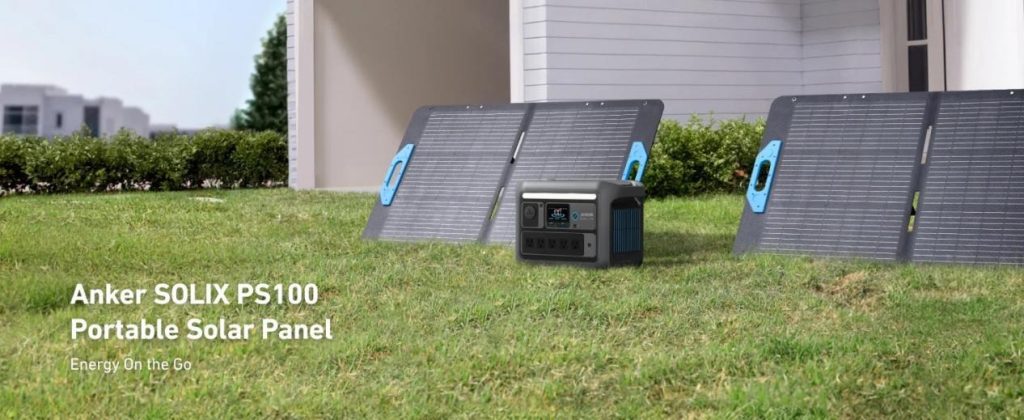
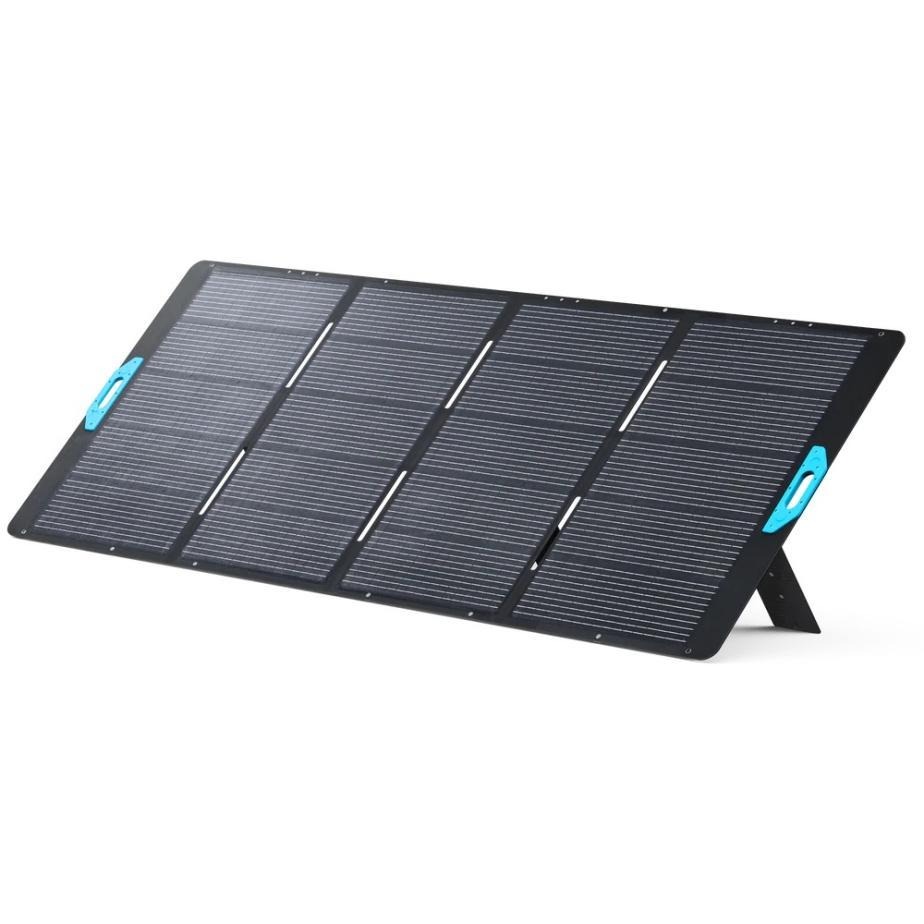
Overlooking roof readiness remains one of the most frequent and costly errors. Installing panels without evaluating roof durability can create significant logistical and financial challenges later. In situations where roof upgrades or temporary solutions are needed, portable options may offer flexibility, including solutions such as Anker portable Solar Panels with a built-in solar outlet that avoid permanent mounting while still providing access to renewable power. These alternatives can be especially practical for renters, temporary setups, or cautious first-time users. Proper planning ensures the chosen approach aligns with the home’s physical condition. Early assessment prevents unnecessary disruptions and added expenses.
Not Understanding Warranty Terms
Warranty coverage represents a critical but often misunderstood aspect of solar investments. Equipment warranties typically differ from workmanship guarantees, and both require careful review. Coverage duration, exclusions, and claim procedures vary across providers. Misinterpreting these terms may lead to unexpected out-of-pocket costs during repairs or replacements. Clear documentation helps establish accountability if performance issues arise. Careful reading of contracts reduces confusion and protects consumer interests.
5. Questions to Ask Installers
What Panels and Inverters Do You Use?
Understanding the specific equipment proposed for installation provides valuable insight into system quality and expected performance. Panel efficiency ratings, degradation characteristics, and temperature tolerance all influence long-term output. Inverters also differ in reliability, monitoring capabilities, and expansion flexibility. Installers should clearly explain why certain components are recommended for a given property. Compatibility between hardware elements affects overall system stability. Detailed answers often indicate technical expertise and thoughtful design practices.
What Warranties Cover Equipment and Work?
Clarifying warranty protection before installation reduces uncertainty and future disputes. Equipment coverage usually addresses manufacturing defects, while workmanship warranties relate to installation quality. The duration and scope of these guarantees vary, making direct questions essential. Responsible installers provide written explanations rather than vague assurances. Understanding responsibilities for labor, shipping, and diagnostics prevents misunderstandings. Comprehensive coverage contributes to long-term confidence in the system.
Conclusion
Residential solar power offers meaningful potential for reducing electricity expenses and enhancing energy resilience when approached thoughtfully. System effectiveness depends not only on technology but also on roof condition, sunlight exposure, and regulatory context. Careful evaluation of financial assumptions and installer qualifications helps avoid preventable disappointments. Portable innovations, including solutions with a built-in solar outlet, continue expanding how households access renewable energy beyond traditional rooftop arrays. Well-informed decisions typically yield the most satisfying outcomes. With realistic expectations and proper planning, solar energy can become a practical and reliable part of everyday home life.
Many homeowners find that the geographic orientation of their property plays a decisive role in determining the overall efficiency of a photovoltaic system. While south-facing roofs are typically prioritized for their consistent exposure to sunlight throughout the day, local weather patterns and regional microclimates also impact energy production levels. For residents living in areas like Auburn CA, understanding how seasonal cloud cover or specific terrain might affect daily output is an essential part of the initial site assessment process. By carefully evaluating these site-specific factors alongside standard electrical requirements, installers can better predict long-term savings. This thorough preparation ensures that the transition to renewable energy remains a practical and reliable investment for years to come.



