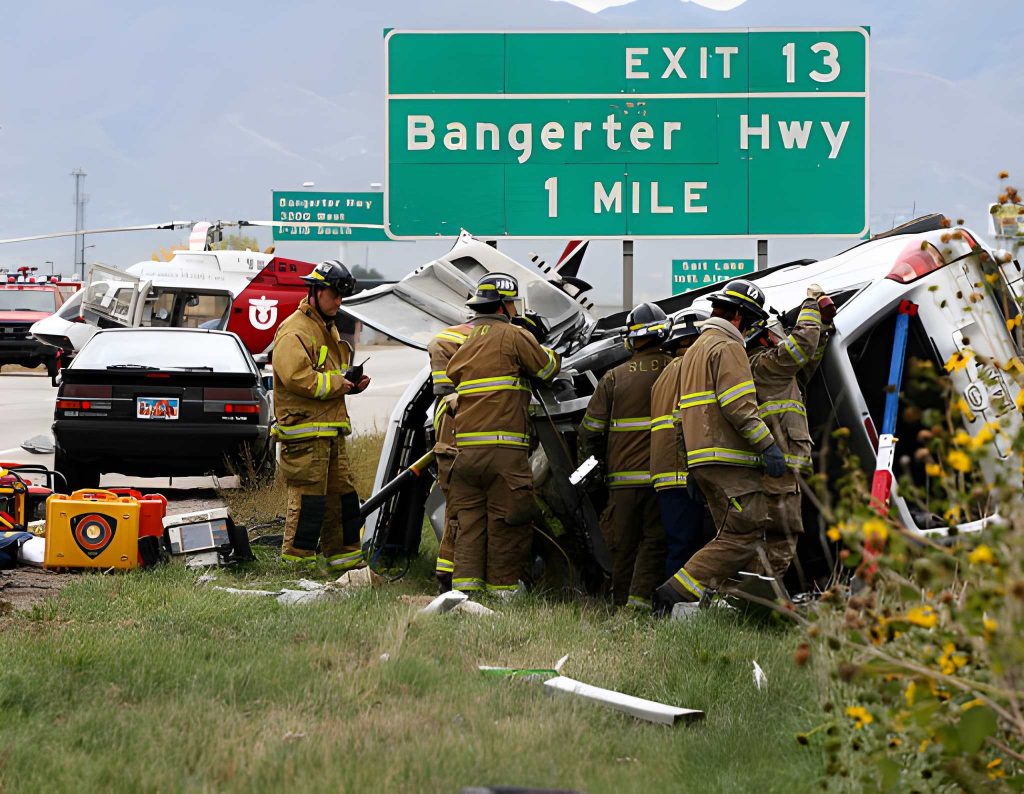
Time moves fast after a crash. Medical bills hit. Work stops. Memories fade. Utah law does not wait for you to feel ready. If you miss the deadline to sue, you lose your right to payment. No second chance. This blog explains how long you have to file a car accident lawsuit in Utah, what can change that deadline, and what steps you need to take now. You learn how Utah’s “statute of limitations” works in plain language. You also see how claims for injuries, property damage, and wrongful death each follow different clocks. Utah car accident attorneys use these time limits every day. You should understand them too. When you know your deadline, you can plan. You can gather proof. You can protect your family. You cannot afford to guess.
What “statute of limitations” means in Utah
The statute of limitations is the legal time limit to file a lawsuit. Once that time ends, the court usually closes its doors to your claim. You can still feel pain. You can still hold bills. You just cannot ask the court for help.
Utah sets different limits based on what was harmed. Your body. Your car. A loved one’s life. You must match your claim to the right clock.
Basic time limits for Utah car accident lawsuits
Here are the common time limits under Utah law for crash related lawsuits.
| Type of claim | Usual time limit to sue in Utah | Utah Code example |
|---|---|---|
| Personal injury from a car crash | 4 years from the date of the crash | Utah Code 78B-2-307 |
| Property damage to your car or other items | 3 years from the date of the crash | Utah Code 78B-2-305 |
| Wrongful death from a car crash | 2 years from the date of death | Utah Code 78B-2-304 |
| Claim against Utah government or city | Notice within 1 year. Lawsuit after that step. | Utah Governmental Immunity Act |
These limits come from Utah law. You can read the code yourself on the Utah Legislature site. The words look stiff. The time limits are not.
When the clock starts to run
For most crashes the clock starts on the date of the crash. That is the rule for injury and property claims. You might feel fine at first. Pain might flare up weeks later. The countdown still started on the crash date.
For wrongful death the clock starts on the date of death. That might be the same day. It might be weeks later. The law uses the death date, not the crash date.
Special rules for children and people with disabilities
Utah sometimes pauses the clock for people who need extra protection.
- Children under 18
- People judged not competent
The time limit can pause until the child turns 18 or the person regains capacity. Then the clock starts. The rules are strict. You cannot assume you have a long time. You still need to act fast so proof does not vanish.
Claims against Utah or a city
If a government worker caused the crash during work, other rules apply. The car might be a city truck, police car, school bus, or state vehicle.
In those cases you must:
- File a written notice of claim within 1 year
- Wait for a response or a set time
- Then file a lawsuit within the set court limit
If you miss that 1 year notice, the government can block your case. This rule is harsh. It does not care about stress or grief. You must meet it.
Why you should not wait even if you have time
The law might give you years. Real life does not. Evidence slips away fast.
- Witnesses move or forget
- Skid marks fade
- Camera footage gets erased
- Cars get repaired or crushed
- Medical records get scattered
Early action makes your story stronger. You can lock in photos, names, and records. You also send a clear message to the insurer that you take your claim seriously.
How Utah’s no fault system fits in
Utah uses a no fault system for car insurance. Your own Personal Injury Protection, also called PIP, pays first for medical costs up to a set limit. You can read more about Utah auto insurance rules on the Utah Insurance Department website.
You can step outside no fault and sue the other driver if:
- Your medical bills pass the dollar threshold under state law
- You suffer certain serious injuries
The statute of limitations still applies. No fault rules do not stop or extend the lawsuit deadline. They are two separate tracks that move at the same time.
Common mistakes that cost families their rights
People often lose claims because of simple timing mistakes.
- Thinking the insurance claim stops the clock
- Waiting for “full recovery” before talking to anyone
- Relying on verbal promises from an adjuster
- Assuming a minor child has endless time
- Not realizing the other driver was a government worker
Insurance talks do not extend the statute of limitations. Kind words from an adjuster do not stop the countdown. Only a filed lawsuit within the limit protects your court rights.
Steps you can take today
You do not need to solve everything today. You only need to start.
- Write down the crash date and time limit that likely applies to you
- Collect photos, repair bills, and medical records in one folder
- Keep a simple journal of pain, sleep, work limits, and doctor visits
- Check if any government vehicle or worker was involved
- Ask clear questions about deadlines when you speak with a legal professional
The law in Utah gives you a window of time. It does not give you peace of mind. That comes from knowing you acted before the window closed.
You went through a sudden shock. You still carry the weight. The statute of limitations is cold. It does not bend for stress, grief, or confusion. When you respect the deadline, you protect your chance to stand in court and tell what happened.



