Home battery backups have become a popular option for homeowners looking to safeguard themselves from power outages and rising utility expenses. Many homeowners have a fundamental inquiry before investing: are these systems actually secure and dependable? Modern energy storage technology has made considerable advances, but safety is dependent on battery chemistry, installation quality, and correct maintenance. Reliability varies depending on system design, warranty conditions, and usage patterns. Understanding how these systems work allows homeowners to make educated judgments. This book discusses safety regulations, long-term performance expectations, and potential dangers, allowing you to confidently choose whether a home battery backup fulfils your household’s needs.
Are Home Battery Backup Systems Safe to Install?
Battery Chemistry and Safety Standards (LFP vs NMC)
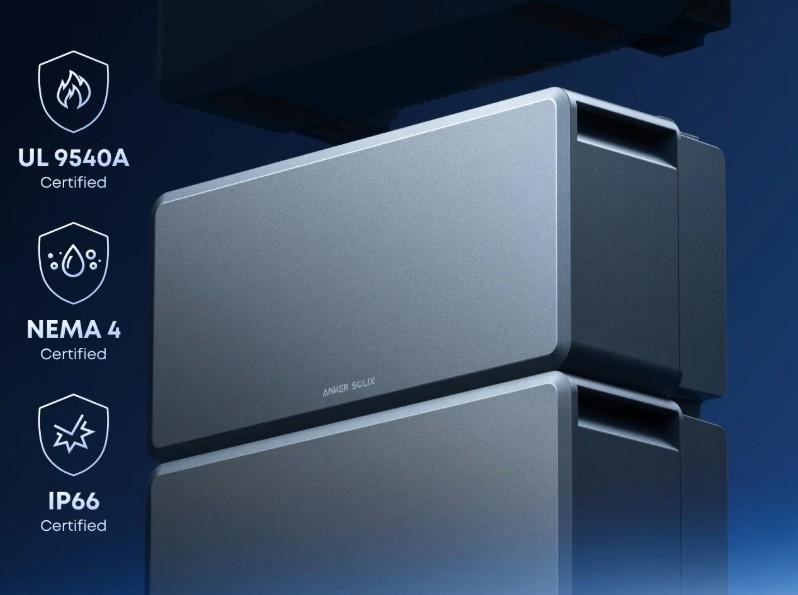
Battery chemistry has a significant impact on system safety. The majority of home systems employ lithium-ion technology, which is usually known as lithium iron phosphate (LFP) or nickel manganese cobalt. LFP batteries provide high thermal stability and a decreased danger of overheating. NMC batteries have a higher energy density but require rigorous heat management. Manufacturers create both chemistries to fulfil safety requirements such as UL and IEC. These certifications evaluate electrical safety, impact resistance, and fire performance. Before purchasing any device, homeowners should make sure it has recognised certifications. Choosing approved equipment with stable chemistry considerably decreases operating hazards and increases overall installation safety in residential settings.
Built-In Protection Systems and Thermal Management
To avoid dangerous situations, modern home battery backups incorporate complex protective measures. A battery management system constantly monitors voltage, temperature, and charge cycles. If the system detects anomalous readings, it will automatically reduce output or shut down to avoid harm. Thermal management components control interior temperature via passive cooling or active ventilation. Some systems employ heat sinks or integrated fans to dissipate excess heat. Circuit breakers and automated disconnect switches offer further electrical safety. These built-in protections decrease the risk of overheating, short circuits, and overcharging. When properly constructed and maintained, these systems can run securely in both regular and emergency backup modes.
Installation Requirements and Certified Professionals
Proper installation has a direct impact on system safety. Homeowners should employ qualified electricians or professional energy storage installers who have previous expertise. Qualified personnel understand grounding requirements, load balance, and inverter integration. They adhere to local electrical rules and obtain all essential permissions before beginning installation. Inspectors inspect wiring, disconnect switches, and panel connections to ensure compliance. Incorrect installation might result in fire dangers, system failures, or void warranties. Installers must also choose suitable installation sites that provide enough ventilation and structural support. By using experienced specialists and adhering to code standards, homeowners may drastically decrease installation hazards and guarantee their battery backup works securely from the first day of usage.
How Reliable Are Home Battery Backup Systems Over Time?
Battery Lifespan, Cycle Life, and Warranty Terms
The reliability of a home power battery backup depends heavily on battery lifespan and cycle durability. Most modern lithium-based home power battery backup systems last between 10 and 15 years under normal conditions. Manufacturers grade each home power battery backup based on cycle life, which is the number of full charge and discharge cycles the system can complete before capacity drops. Many systems guarantee a certain percentage of residual capacity after a predetermined number of cycles. Warranty durations often include years of service or total energy throughput. Homeowners should thoroughly evaluate warranty information, including performance promises and exclusions. A well-maintained home power battery backup that operates within suggested parameters can provide continuous performance during its estimated service life.
Performance During Extended Power Outages
Battery backups are reliable during short outages, but longer disruptions necessitate careful planning. The system’s performance is determined by its capacity, load management, and charging choices. Homeowners who limit their use to vital equipment can greatly increase runtime. When combined with solar panels, the battery can recharge during daytime hours, increasing resilience. Without solar input, the system will ultimately drain completely and require grid restoration. Modern inverters switch easily during power outages, ensuring that linked circuits have a consistent voltage. However, high-demand appliances can reduce the backup time. Understanding capacity constraints and prioritising loads helps ensure that the grid operates reliably when outages linger longer than planned due to severe weather or crises.
Maintenance, Monitoring, and Software Updates
Ongoing maintenance ensures long-term dependability. Homeowners should check system performance using mobile applications or online dashboards. These tools monitor temperature, charge levels, and system alarms in real time. Early identification of unusual patterns helps to avert greater failures. Manufacturers often provide firmware upgrades to increase efficiency and safety measures. Quickly installing updates keeps the system running smoothly. Certified technicians perform annual checks to verify electrical connections and battery management settings. Proper ventilation and clean surroundings also help to ensure steady functioning. Consistent monitoring and planned maintenance guarantee that the battery backup continues to provide dependable performance throughout its operating life without any unexpected disruptions.
What Risks Should Homeowners Understand?
Fire Risk, Overheating, and Proper Ventilation
Although uncommon, fire danger remains a worry if systems are inadequately built or maintained. Overheating can occur when ventilation is obstructed or when the battery is used beyond the acceptable limits. Homeowners should put the devices in well-ventilated areas away from direct sunlight and combustible items. Keeping a correct space around the battery helps heat to dissipate safely. Smoke detectors near the installation location provide an additional layer of protection. Certified equipment with integrated temperature monitoring significantly decreases fire risks. Following manufacturer standards and avoiding unauthorised modifications greatly reduces the likelihood of overheating problems or safety failures in home battery systems.
System Failures and Backup Limitations
Home battery backups have operating limitations that homeowners must recognise. Each system has a maximum capacity and power output rating. Running heavy appliances over their rated limitations might result in shutdowns. During lengthy outages, full discharge will momentarily disable backup power. Electronic components like inverters and control boards can fail over time, but quality systems reduce this risk. Regular inspections and prudent load management limit the possibility of unexpected outages. Homeowners should not assume infinite power availability. Understanding system boundaries enables reasonable expectations and avoids frustration during emergencies, when energy must be carefully managed to keep key household systems operational.
Comparing Reliability: Battery Backup vs Generators
Homeowners sometimes compare battery backups to traditional gasoline generators. Generators can produce continuous electricity as long as fuel is available. To handle exhaust emissions, they require frequent fuel storage, engine maintenance, and ventilation. Battery systems run quietly and emit no pollution. They switch instantaneously during outages and need minimal mechanical maintenance. However, unless combined with solar charging, batteries have a finite amount of stored energy. Generators can handle heavier loads more readily, but they produce noise and carbon monoxide emissions. Each solution involves trade-offs. Many homeowners select batteries for ease and safety, whilst others prefer generators for prolonged runtime during long-term situations.
Conclusion
When homeowners select authorised equipment and competent installation, home battery backups provide high levels of safety and reliability. Modern battery chemistries, built-in safeguards, and monitoring systems lower operating hazards. Reliability is contingent on the correct size, maintenance, and realistic load control. While no energy system is completely risk-free, proper planning considerably reduces possible dangers. Understanding warranty terms, ventilation needs, and system restrictions enables homeowners to make educated judgments. Compared to typical generators, battery solutions deliver cleaner and quieter backup power. With responsible ownership and frequent monitoring, a home battery backup may provide consistent performance and long-term resilience for homes looking for energy security and peace of mind.