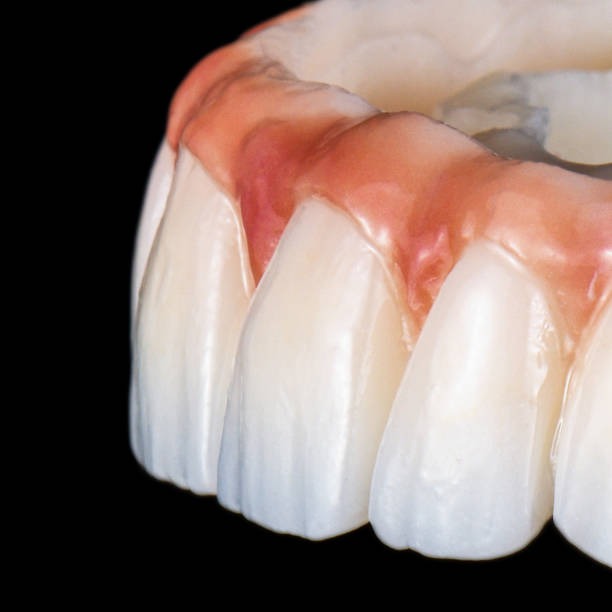
Bioceramics change how your teeth can heal and stay strong. You may face cracked teeth, deep cavities, or worn fillings that fail again and again. Each visit can bring fresh worry and new costs. Bioceramic materials offer a different path. They work with your tooth, not against it. They seal tightly, protect nerves, and support natural repair. They also last longer under biting and chewing. As a result, you can keep more of your real tooth and avoid repeat treatments. A Chelsea dentist may use bioceramics for root canals, liners, posts, and even some crowns. This blog explains what bioceramics are, how they protect your teeth, and when your dentist may choose them. You will see how these materials can support steady oral health and lower your risk of future pain. You deserve care that respects your time, your comfort, and your trust.
What Bioceramics Are In Plain Language
Bioceramics are tooth repair materials made from minerals that match parts of your teeth and bone. You can think of them in three simple ways.
- They are stable and strong under chewing.
- They do not upset your gums or nerves.
- They can help your body grow new hard tissue.
Common bioceramics in dentistry include calcium silicate cements and glass ceramics. These materials react with moisture in your mouth. Then they form a tight seal and a hard surface. The seal keeps out saliva and bacteria. The hard surface supports chewing.
How Bioceramics Help Teeth Last Longer
Durable dentistry means fewer repeat treatments. It also means less drilling, less pain, and lower cost over time. Bioceramics support this in three key ways.
1. Strong Seal Against Leaks
Most failed fillings and root canals break down at the edges. Tiny gaps form. Bacteria slip in. Decay starts again. Bioceramics swell a little when they set. That swelling helps them fill microscopic spaces between tooth and material.
This tight seal can
- Reduce new decay around a filling.
- Cut the risk of infection after a root canal.
- Protect deep parts of the tooth from heat and cold.
2. Support For Natural Repair
Your teeth cannot regrow like skin. Yet they can lay down new hard tissue at the edge of the nerve. Bioceramics release minerals such as calcium. Your cells use these minerals to build a thin new barrier over the nerve.
This process helps you
- Keep teeth that might once have needed removal.
- Calm tooth sensitivity from deep cavities.
- Protect the nerve after trauma or cracks.
3. Strength Under Daily Chewing
Bioceramic fillings, posts, and crowns can handle strong chewing forces. At the same time they are gentle on the tooth. They spread the load in a balanced way. This balance lowers the chance of new cracks.
Where Your Dentist May Use Bioceramics
You may see bioceramics in many routine treatments.
- Root canal sealers. Fill and seal the cleaned root space.
- Pulp capping. Cover a nerve that is nearly exposed.
- Perforation repair. Close small openings in the root or tooth wall.
- Posts. Reinforce a weak tooth after a root canal.
- Crowns and onlays. Replace large broken or worn parts of the tooth.
Your dentist will choose the type of bioceramic based on the tooth, the decay depth, and your bite.
Comparison Of Bioceramics With Other Common Materials
The table below gives a simple comparison of bioceramics, dental amalgam, and resin composite. It focuses on durability and safety topics that families often ask about. Data are drawn from trends reported by academic and government sources, including summaries from the Centers for Disease Control and Prevention and dental schools.
| Feature | Bioceramics | Amalgam (silver fillings) | Resin composite (tooth colored) |
|---|---|---|---|
| Typical use | Root canals, liners, posts, some crowns | Back tooth fillings | Front and back tooth fillings |
| Expected longevity in back teeth | High when used as sealers or crowns | High | Moderate to high |
| Seal against leakage | Very tight seal with slight expansion | Good but can corrode at edges | Good if kept dry during placement |
| Match to natural tooth color | Often tooth colored or white | Dark silver | Tooth colored |
| Support for natural repair | Releases minerals that support hard tissue growth | No support for repair | Little or no support for repair |
| Mercury content | None | Contains mercury alloy | None |
| Tooth removal needed | Often less removal due to strong bond and seal | More removal to lock filling in place | Less removal than amalgam |
Benefits You Can Feel In Daily Life
Durable restorative work gives you more than a nice smile. It shapes your daily comfort and your budget.
- Fewer repeat visits. A strong seal and stable material reduce retreatment.
- Less pain and swelling. Good sealing limits infection and nerve irritation.
- Better chewing. Strong posts and crowns restore normal function.
For children and older adults this stability can change quality of life. It can mean less fear of sudden tooth pain at school or at work. It can also mean less strain on caregivers who manage dental visits.
Questions To Ask Your Dentist About Bioceramics
You do not need to become an expert. You only need clear, honest answers. You can use these three questions at your next visit.
- Is a bioceramic material an option for this tooth
- How long do you expect this type of repair to last
- What care at home will help this repair stay strong
You can also ask your dentist to compare choices for you. Ask about strength, safety, and cost over time, not only the first visit cost.
How To Protect Bioceramic Restorations At Home
Bioceramics are strong. Yet they still need good daily care.
- Brush twice a day with fluoride toothpaste.
- Clean between teeth with floss or small brushes.
- Use a mouthguard if you grind your teeth at night.
- Limit sugary drinks and snacks between meals.
- Schedule regular exams and cleanings.
These steps protect the edge where tooth and material meet. That edge is the weak point for any restoration. Strong habits keep it stable.
Closing Thoughts
Bioceramics give you and your dentist a strong tool for durable restorative dentistry. They protect nerves, seal out infection, and support natural repair. They also help you keep more of your own tooth. With clear questions and steady home care, you can use these materials to cut repeat treatments and protect your comfort for many years.