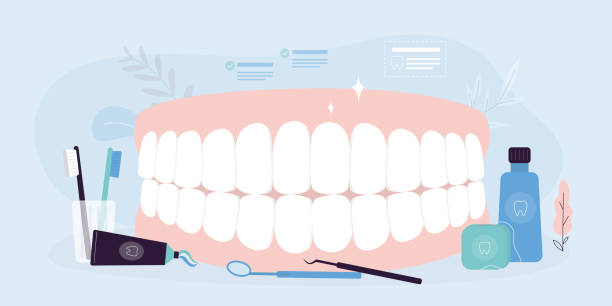
Health signals often appear in subtle ways. While many people focus on symptoms like pain or fatigue, everyday clues about well-being can also be found in oral health. Dental alignment and daily care habits quietly reflect how the body is functioning and adapting over time. Paying attention to these details can offer insight that supports long-term health.
Dental Alignment Reflects Balance in the Body
Teeth alignment influences more than appearance. When alignment is balanced, the jaw moves comfortably, and pressure is distributed evenly while chewing. Misalignment can lead to uneven wear, muscle tension, or discomfort that develops gradually.
These changes may not cause immediate pain, yet they can signal imbalance. Jaw tension, headaches, or facial fatigue sometimes trace back to alignment issues that have gone unnoticed. Observing how the mouth feels during everyday activities can highlight early signs that deserve attention.
Gum Health Signals Inflammation Levels
Healthy gums tend to appear firm and comfortable. Swelling, bleeding, or sensitivity can indicate inflammation that extends beyond the mouth. Because the gums are closely connected to blood flow and immune response, their condition often reflects broader health patterns.
Consistent gum irritation may suggest that daily care routines need adjustment or that professional guidance is needed. Addressing these signs early supports both oral and overall health.
Wear Patterns Tell a Story
Teeth often show wear patterns that reveal daily habits. Grinding, clenching, or uneven bite pressure can leave visible marks over time. These patterns may point to stress, sleep disruption, or posture-related tension.
Because these habits often occur unconsciously, wear becomes an important clue. Recognizing it early helps prevent further strain and supports long-term comfort.
Daily Care Habits Influence Systemic Health
Brushing and flossing are often viewed as isolated routines, yet they play a role in maintaining balance throughout the body. Consistent oral care helps reduce bacteria and inflammation that could otherwise affect overall well-being.
Skipping routines or brushing inconsistently can allow small issues to develop quietly. Over time, these issues may require more attention. Steady daily care provides protection that accumulates gradually.
Professional Insight Adds Clarity
Personal awareness forms the first layer of care, but professional insight helps interpret subtle signs accurately. Regular checkups provide a clearer picture of alignment, gum health, and wear patterns.
Visiting a trusted provider, such as a Marylebone dentist allows early clues to be identified and addressed thoughtfully. This proactive approach supports prevention rather than reaction.
Alignment Affects Digestion and Nutrition
Dental alignment influences how effectively food is chewed. Proper chewing supports digestion by allowing nutrients to be processed efficiently. Misalignment can make chewing less effective, which may affect digestion over time.
Addressing alignment supports not only comfort, but also how the body absorbs nourishment. This connection highlights how oral health influences overall wellness.
Confidence Reflects Comfort
Comfort often shows through confidence. When teeth and jaw feel balanced, smiling and speaking feel natural. Hesitation or guarded expression may indicate underlying discomfort or concern.
These behavioral changes act as health clues. Listening to them encourages earlier care and greater ease in daily life.
Everyday Clues Support Long-Term Health
Dental alignment and care reveal health information quietly and consistently. These clues appear in comfort, wear, gum condition, and daily habits. Noticing them early supports preventive care and long-term well-being.
Health rarely changes overnight. It evolves through small signals that deserve attention. By recognizing the everyday clues revealed through dental alignment and care, long-term comfort and balance become easier to protect.