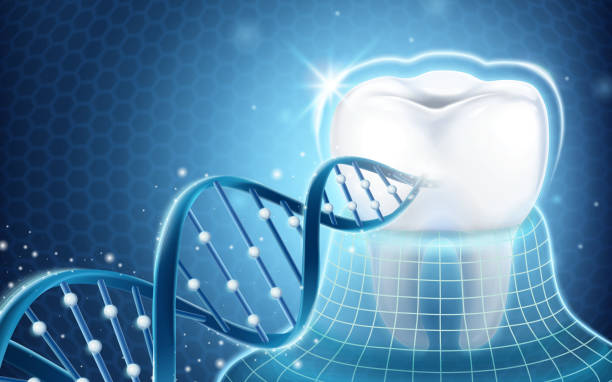
Let’s be honest about something most people won’t say out loud: some of us lost the genetic lottery when it comes to teeth. While others were blessed with naturally straight, white, perfectly proportioned smiles, the rest of us inherited everything from persistent coffee stains to teeth that look like they were arranged by a toddler playing Tetris. But here’s the liberating truth—soon, your genetic destiny is no longer your dental reality.
The Great Genetic Divide
Genetics control almost everything about your natural smile: tooth shape, size, spacing, enamel thickness, natural color, and even susceptibility to decay and staining. Some people inherit thick, resilient enamel that stays white despite years of coffee abuse, while others get thin enamel that yellows if they even look at a cup of tea. It’s fundamentally unfair, and pretending otherwise helps no one.
The psychological impact of losing the dental genetic lottery extends far beyond vanity. Studies show that individuals with naturally unattractive teeth are more likely to experience social anxiety, avoid career opportunities requiring public speaking, and report lower overall life satisfaction. The confidence gap between genetic “winners” and “losers” in dental aesthetics creates measurable disparities in professional and personal success.
The Inheritance We Can’t Change (Yet)
Consider the unfairness of dental genetics: enamel color is determined by your parents’ genes, not your lifestyle choices. Some people inherit naturally white enamel, while others get yellow, gray, or brown-tinted teeth regardless of their oral hygiene. Tooth shape and proportion are similarly predetermined—no amount of brushing will change naturally small, misshapen, or disproportionate teeth.
Genetic factors also determine your mouth’s architecture: jaw size, tooth spacing, and bite alignment. Parents with crowded teeth often pass this trait to their children, creating lifelong orthodontic challenges. Conversely, some fortunate individuals inherit perfectly spaced teeth and ideal jaw proportions without any intervention.
Perhaps most frustratingly, genetic factors influence enamel hardness and decay resistance. Some people can neglect their oral hygiene for years with minimal consequences, while others develop cavities despite religious brushing and flossing habits. This genetic unfairness extends to gum health, tooth sensitivity, and even how teeth respond to whitening treatments.
The Democratic Revolution in Cosmetic Dentistry
Fortunately, modern cosmetic dentistry has become remarkably democratic. Procedures that once required celebrity budgets are now accessible to middle-class patients, and the results often surpass what genetic “winners” achieved naturally. Porcelain veneers can transform virtually any smile, regardless of the genetic starting point.
For those seeking porcelain veneers Melbourne or anywhere else, the technology has reached a point where genetic limitations become irrelevant. Veneers can change tooth color, shape, size, and spacing simultaneously, effectively rewriting your dental DNA in a single treatment. The most dramatically successful transformations often occur in patients who started with the most challenging genetic circumstances.
The Psychology of Genetic Redemption
There’s something profoundly empowering about overcoming genetic limitations through modern technology. Patients who felt cursed by their inherited teeth often experience a unique form of confidence that comes from actively choosing their appearance rather than simply accepting it. This psychological shift can be more powerful than the confidence experienced by those born with naturally attractive smiles.
The process of genetic redemption through cosmetic dentistry often triggers broader life changes. Patients report feeling more willing to take risks, pursue opportunities, and invest in themselves after experiencing the transformation possible through dental work. The realization that genetic limitations can be overcome often extends to other areas of life, creating a ripple effect of positive change.
The Technology That Levels the Playing Field
Advanced cosmetic dentistry has essentially democratized perfect smiles. Digital smile design allows patients to see their potential results before treatment, while improved materials and techniques make dramatic transformations possible regardless of genetic starting points. CAD/CAM technology ensures precision that rivals or exceeds natural tooth formation.
Modern composite bonding can address minor genetic imperfections affordably, while porcelain veneers offer comprehensive solutions for major genetic disadvantages. Orthodontic advances, including clear aligners and accelerated treatments, can correct inherited alignment issues in months rather than years. Even genetic enamel defects can be addressed through various restorative techniques.
The result is a playing field where genetic advantages matter far less than they did even a decade ago. Patients with the worst genetic starting points can now achieve smiles that surpass those of naturally blessed individuals, often with results that are more durable and stain-resistant than natural enamel.
The message for genetic lottery losers is clear: your inherited smile is just your starting point, not your destination. Modern cosmetic dentistry offers the tools to rewrite your dental DNA completely, often achieving results that surpass what genetics alone could provide. The only question remaining is whether you’re ready to claim the smile you actually want rather than settling for the one you inherited.
Your genes gave you your starting smile, but your choices determine your ending smile. And in that choice lies the ultimate victory over genetic chance.



