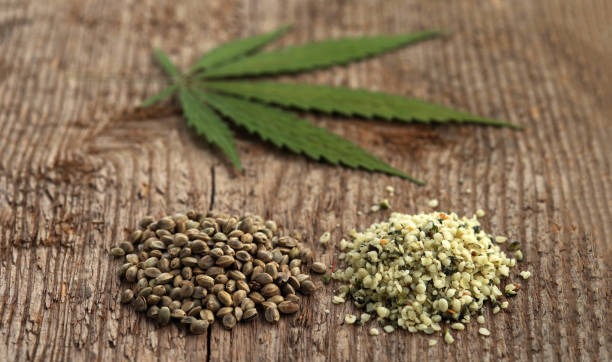
The cannabis world continues to evolve rapidly, with enthusiasts and collectors placing increasing value on understanding the origins and classifications of cannabis genetics. Two of the most prominent categories that have shaped the way cannabis is discussed and appreciated are indica and sativa strains. While modern hybrids often blur the lines between these two types, each still carries distinct characteristics that are important for cannabis seed collectors and genetic researchers.
Understanding the differences between indica and sativa strains provides essential insight into the genetic lineage, growth behavior, and sensory profiles that define cannabis varieties across the globe.
The Origins of Indica and Sativa
The classification of cannabis into indica and sativa dates back to the 18th century. Cannabis sativa was first described by Carl Linnaeus to classify European hemp plants known for their tall structure and fibrous stalks. Later, Cannabis indica was introduced by French biologist Jean-Baptiste Lamarck to describe shorter, broader-leafed varieties found in the Indian subcontinent, which were more resinous and psychoactive.
Today, these terms are commonly used in the cannabis seed industry to indicate specific traits in terms of plant morphology, aroma, and growth patterns—even if most modern strains are hybrids containing both indica and sativa genetics.
Indica: Characteristics and Appeal
Indica strains are typically associated with compact, bushy plants that are shorter in height and develop broad leaves. These plants often flower faster than sativa types and produce dense, resin-rich buds, which make them attractive to seed collectors interested in studying trichome production and flower structure.
Aromatic profiles of indica strains tend to lean toward earthy, musky, and sometimes sweet scents. These characteristics are often attributed to the dominant presence of terpenes like myrcene, linalool, and beta-caryophyllene.
Collectors value indica seeds for their consistent growth traits and rich terpene profiles. These strains are also commonly used as parent genetics in hybrid breeding programs to enhance resin content and reduce flowering times.
Sativa Strains: Energy and Elevation
In contrast, sativa strains are known for their taller growth, thinner leaves, and extended flowering cycles. These plants generally originate from equatorial regions such as Southeast Asia, Central America, and Africa, where they adapted to long seasons and higher humidity.
Sativa strains typically offer brighter, fruitier, or more citrus-forward aromas, often driven by terpenes such as limonene, terpinolene, and pinene. For cannabis seed enthusiasts, sativa varieties represent the energetic, uplifting side of cannabis expression and offer unique visual and olfactory qualities.
Because of their height and longer bloom times, sativa genetics are often selected for crossbreeding to introduce complexity into hybrid seed lines. This makes sativa strains highly valuable for collectors and researchers focused on expanding the scope of cannabis diversity.
Modern Hybridization and Seed Market Trends
While pure indica and sativa strains still exist, many of today’s cannabis seeds are hybrids—carefully bred to combine the best traits of both classifications. Seed banks now offer indica-dominant or sativa-dominant hybrids, allowing collectors to select based on preferred characteristics such as growth cycle, structure, or aroma.
Advancements in cannabis breeding have resulted in highly stable seed lines that preserve core traits while offering new expressions of traditional genetics. Collectors seeking seeds for research, preservation, or future breeding projects often look for strains with transparent lineage and well-documented traits.
Legal Considerations for Cannabis Seeds in the US
In the United States, cannabis seeds can be legally purchased and owned under federal guidelines, as long as they contain less than 0.3% THC by dry weight. However, laws around germination and cultivation vary by state. Seed enthusiasts should always refer to local regulations to ensure compliance.
Many reputable seed providers now ship across the country, offering a wide selection of both indica and sativa strains for collectors interested in building a diverse and meaningful seed library.
Conclusion
The distinction between indica and sativa strains remains a fundamental aspect of cannabis genetics. For those engaged in the study and collection of cannabis seeds, understanding these differences is key to appreciating the full spectrum of the plant’s potential. Whether seeking dense, earthy indicas or vibrant, citrusy sativas, collectors can find both traditional and hybrid options that reflect the rich heritage of cannabis evolution.



