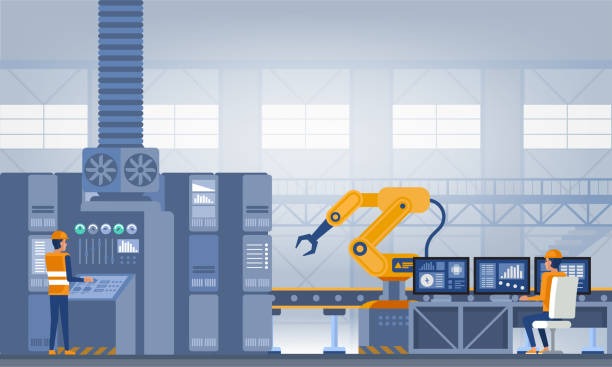
What Is Factory Automation?
Factory automation is reshaping the landscape of manufacturing across the globe. By integrating robotics, software, and control systems, companies can streamline complex production processes and dramatically reduce the need for manual work and the chances of human error. Modern factories are becoming more adaptable and resilient, able to respond quickly to changes in market demands and consumer preferences. Solutions now go beyond simple mechanization—today’s factory automation enables data-driven decision-making and seamless, real-time process adjustments. For anyone curious about technological advancements in this space, researching specific factory solutions provides a practical perspective on how diverse manufacturing challenges are being solved through innovative automation.
At a fundamental level, factory automation involves using hardware and software to manage workflows, monitor operations, and automate physical tasks. This integration of technology allows factories to operate continuously and consistently. Knowledge sources such as Encyclopaedia Britannica’s automation overview highlight the global significance of automation, noting its importance for competitiveness and growth across numerous industries, including automotive, food processing, electronics, and even pharmaceuticals. In today’s highly competitive environments, manufacturers without automation struggle to maintain quality standards and fast-paced delivery timelines.
Key Automation Technologies in Action
A diverse mix of automation technologies propels industrial transformation today. Robots—both traditional industrial arms and, more recently, collaborative robots (cobots)—are at the forefront. Industrial arms perform heavy lifting, welding, assembly, and packaging, while cobots are designed to work side by side with humans, handling delicate processes and adapting quickly to new product lines. This versatility helps manufacturers adjust to rapid shifts in consumer demand or supply chain changes.
Another cornerstone of automation is the programmable logic controller (PLC). PLCs oversee production lines, monitor sensor inputs, and adjust machine behaviors in milliseconds. Because PLCs are robust and designed for harsh environments, they have become the “nervous system” of modern factories, orchestrating everything from conveyor belt speeds to precise chemical mixing.
Vision systems provide another breakthrough, using cameras and image analytics to inspect products on the fly, catch defects early, and even guide robots during intricate assembly steps. Meanwhile, the rising adoption of the Industrial Internet of Things (IoT) allows thousands of sensors throughout the factory to communicate with each other and with centralized dashboards. These systems inform managers exactly when a machine needs attention, predict when supplies will run low, and optimize settings to save energy and materials. Combining these technologies results in flexible, “smart factories” that are self-improving and highly responsive.
Measurable Benefits for Manufacturers
Factory automation provides clear and measurable benefits that drive manufacturer interest and investment. According to industry data from the International Federation of Robotics, global robot installations have skyrocketed by 31% in one year alone. This surge is evidence of the demand for increased speed, efficiency, and reliability on the production floor. With automation, factories can operate around the clock with fewer errors, less downtime, and more consistent product output.
The main benefits extend well beyond just speed. Automation enhances quality by enforcing strict process control, which reduces the chances of defects or inconsistent batches. Over time, energy and labor expenses also fall, helping offset the initial cost of implementation. Improved workplace safety is a vital advantage: when machines handle hazardous jobs, accident rates drop and worker well-being rises. Modern automation even helps factories adapt to small-batch orders, meeting the growing demand for personalization without sacrificing efficiency.
- Higher Output: Around-the-clock production pushes business capacity to new heights.
- Consistent Quality: Automated monitoring ensures tight tolerances and uniformity across every unit.
- Cost Reduction: Lower overhead and less material waste increase profit margins over time.
- Employee Safety: Delegation of hazardous, loud, or repetitive work to machines leads to a safer environment.
- Increased Agility: Manufacturers can launch new products or shift production focus faster than before.
Real-World Uses of Automation
The practical applications of factory automation are as diverse as the industries it serves. In the automotive sector, massive assembly lines feature synchronized robots that paint, weld, and fit structural parts, all guided by powerful vision systems that check for even minor flaws. This level of precision is difficult to achieve with manual techniques alone, especially as vehicles become more complex and customer expectations rise.
The food processing industry illustrates how automation leads to safety and consistency. Automated conveyors reduce human contact with products, and sensor-enabled machinery maintains optimal conditions for slicing, packaging, and even cooking or freezing. Digital traceability allows producers to quickly identify batches if there’s a quality or safety concern, meeting regulatory requirements and consumer confidence needs.
Electronics assembly lines rely on automated systems for high-speed soldering, component placement, and meticulous inspections, which are crucial when working with microchips and delicate circuit boards. These successes aren’t limited to large-scale factories, either. Smaller manufacturers also gain value by deploying flexible automation for custom products or variable order sizes, making these tools accessible across the modern supply chain.
Challenges When Implementing Automation
Despite the advantages, automation does not come without its share of hurdles. One of the biggest challenges is the upfront investment required. Costs of robotic arms, conveyor systems, PLC programming, and custom integrations can add up quickly, stretching the budgets of small and mid-sized manufacturers. Securing stakeholder buy-in and planning for a reasonable return on investment involves careful analysis and sometimes tough decisions.
Technical challenges also abound. Many factories operate legacy equipment that may not “speak the same language” as new digital platforms. Integrating new and old systems often requires custom programming, specialized hardware adapters, or even phased replacement strategies. This integration can introduce short-term disruptions as systems are debugged and operators are trained on new processes.
The human element cannot be overlooked. As automation handles more tasks, employees are expected to take on new troubleshooting, maintenance, or data analysis responsibilities. Upskilling and continuous training programs are crucial for a smooth transition. Without dedicated employee development, companies risk a skills gap that can undercut the benefits of their investments.
Cybersecurity is another growing concern. As more devices connect to the network, safeguarding sensitive production data, proprietary processes, and operational controls becomes mission-critical.
Future Trends for Automated Factories
Looking to the future, the revolution in factory automation is just beginning. Artificial intelligence and machine learning are enabling new capabilities in maintenance—using real-time data and pattern analysis, systems can predict component wear and schedule parts replacement before breakdowns disrupt production. The concept of ‘digital twins’ is seeing more widespread use, where engineers manipulate a complete virtual model of the factory to test changes, optimize workflows, and simulate scenarios without real-world risk.
The rise in remote monitoring and cloud-based analytics, as reported by IndustryWeek’s automation news roundup, has given manufacturers new tools to monitor efficiency and quality from anywhere in the world. As technologies evolve, factories will continue to move toward greater sustainability, better resource management, and tighter cybersecurity controls. With 5G connectivity and increased integration of intelligent systems, tomorrow’s factories are positioned to redefine productivity standards for the next generation.
Workforce Skills for an Automated Era
Even as machines take over repetitive, hazardous, and mundane work, the need for skilled human workers is growing. The roles are changing, but the demand for expertise in automation systems, troubleshooting, data analysis, and process optimization is rising fast. Successful companies recognize that their competitive edge will rest increasingly on the ingenuity and flexibility of their workforce.
Many firms are investing in workforce development, partnering with technical colleges, providing upskilling opportunities, and using blended learning approaches combining theory with real-world practice. As systems grow more sophisticated, employees who can interpret production data, fine-tune robots, and spot inefficiencies will be in high demand. Forward-thinking organizations also foster cultures of curiosity and continuous improvement, ensuring teams are receptive and adaptable as new challenges and opportunities arise.
Further Resources on Factory Automation
As automation continues to dominate manufacturing headlines, it is vital to stay current on research, breakthroughs, and best practices. Reliable sources such as Encyclopaedia Britannica and IndustryWeek provide comprehensive overviews and timely news, while numerous technical associations and academic platforms are rich in technical detail and practical advice.
Exploring these reputable resources allows industry professionals to prepare for the next leap in production efficiency, safety, and adaptability, ensuring they stay competitive and agile in a rapidly changing industrial world.




4 thoughts on “Transforming Factories: Practical Applications of Automation Technologies”