In 2022, a Colorado college student reported being sexually assaulted at an off-campus apartment after a university-sponsored event. The university initially declined to investigate, stating the incident occurred outside campus grounds. This left the student wondering: Does Title IX apply off-campus?
A federal statute known as Title IX forbids discrimination on the basis of sex in educational programmes or activities that receive federal financing. While most people associate Title IX with on-campus misconduct, its reach has extended beyond the boundaries of classrooms and dormitories. But how far does it go, especially in cases happening off-campus?
This blog explores the core of Title IX, how it applies to off-campus incidents, federal case law, and how Colorado colleges and universities address this growing concern. We’ll also discuss what this means for both students and institutions. The short answer is: Yes, Title IX can apply to off-campus incidents—but it depends on the circumstances.
Understanding the Core of Title IX
The Fundamental Principle
As a component of the Education Amendments of 1972, Title IX guarantees that no individual in the United States is subjected to sex-based discrimination, exclusion from participation in, or denial of benefits under any educational programme or activity. At its heart, Title IX is about creating a safe and equal educational environment.
Key Provisions
Title IX covers a range of issues, including:
- Admissions policies
- Athletic programs
- Sexual harassment and assault
- Retaliation for reporting discrimination
The law plays a major role in how schools respond to complaints and protect students’ rights.
“Education Program or Activity”
This phrase is key when asking: does Title IX apply off-campus? It refers to any location or event that is part of a school’s educational program, even if it happens outside school property. This broader definition is crucial when considering incidents that occur during internships, field trips, or student organization events.
The Evolution of Off-Campus Title IX Application
Initial Interpretation
Originally, Title IX was seen as applying only to misconduct that occurred on school grounds. This narrow interpretation often left off-campus victims without support or recourse through their institution.
Shifting Perspectives and Legal Interpretations
Over time, courts and the U.S. Department of Education’s Office for Civil Rights (OCR) expanded the interpretation. OCR guidance has stated that if an incident happens off-campus but affects a student’s ability to participate in their education, it may fall under Title IX.
Key Federal Case Law
Several cases have helped shape Title IX’s off-campus application:
- Davis v. Monroe County Board of Education (1999): The Supreme Court ruled that schools can be liable for student-on-student harassment if they are deliberately indifferent and the harassment is so severe it prevents access to education.
- OCR Guidance (2020 Title IX Regulations): These updates clarify that Title IX applies to any incident that occurs in a location where the school exercises substantial control over the context and the respondent.
These legal developments suggest that schools must consider the nature of the event and their involvement when determining responsibility.
Colorado-Specific Context
State Laws or Regulations
Colorado law generally mirrors federal standards, reinforcing protections against sexual harassment and assault in educational settings. The Colorado Revised Statutes support reporting and prevention efforts but do not establish separate rules for off-campus Title IX applications.
Relevant Colorado Court Cases
While there are no high-profile state cases specifically focused on off-campus Title IX incidents, Colorado courts often defer to federal interpretations, especially in matters involving public colleges and universities.
Policies of Colorado Colleges and Universities
Many schools in Colorado have adopted broader policies to address off-campus misconduct. For instance:
- University of Colorado Boulder states in its Title IX policy that incidents may be addressed if they “create a hostile environment” on campus, even if the event occurred off-campus.
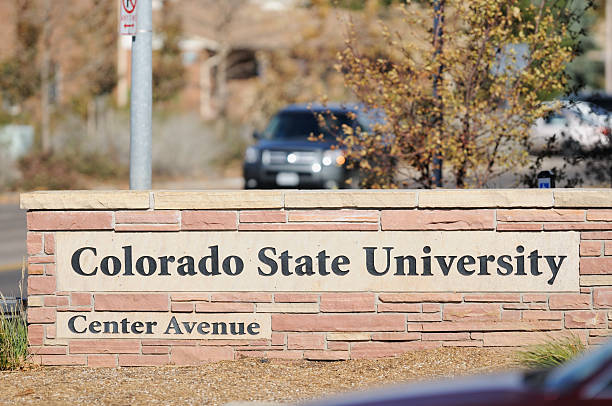
- Colorado State University includes language allowing the school to investigate off-campus behavior when it impacts a student’s education or involves university-related activities.
Factors Determining Off-Campus Title IX Applicability
Institutional Control
If an off-campus location is tied to the school, such as university housing or a venue rented for a student event—Title IX may apply. Control over the setting is a major consideration.
Connection to the Educational Program
Incidents during internships, field research, study abroad programs, or even fraternity events may be considered part of the educational program if organized or supported by the institution.
Impact on the Educational Environment
Even if an assault happens at a private off-campus apartment, if it causes the victim to miss classes, withdraw from school activities, or fear coming to campus, Title IX may be triggered.
University’s Knowledge and Response
Once a school becomes aware of a possible Title IX violation, it is responsible for responding promptly and appropriately, even if the incident occurred off-campus. Failure to act can result in federal investigations and loss of funding.
Implications for Students and Institutions in Colorado
Student Rights and Protections
Students should know that they have the right to report off-campus misconduct if it affects their access to education. Schools are required to provide supportive measures like counseling, academic accommodations, or safety planning.
Institutional Responsibilities
Colleges must evaluate each report to determine if Title IX applies. If it does, they must investigate and take steps to prevent future harm. Schools are also expected to educate staff and students about these policies.
Challenges and Complexities
Investigating off-campus incidents can be difficult. Schools often face limitations in accessing evidence or interviewing witnesses not affiliated with the institution. Despite these challenges, they are still obligated to respond when Title IX conditions are met.
Importance of Clear Institutional Policies
Every institution in Colorado should maintain clear, accessible policies explaining when off-campus misconduct will be addressed. This transparency helps students understand their rights and encourages reporting.
Conclusion
While Title IX was once seen as limited to campus grounds, it now clearly extends to certain off-campus incidents—especially when they affect a student’s educational experience. For students and institutions in Colorado, understanding these evolving standards is key to ensuring safety, accountability, and equal access to education.
If you’re wondering, does Title IX apply off-campus?—the answer is yes, when the conduct affects your educational access and the school has some connection or control over the situation. Institutions must take such cases seriously and respond in ways that protect their students, no matter where the incident occurred. Get in touch with the team at the Dawson Law Office for more info!



