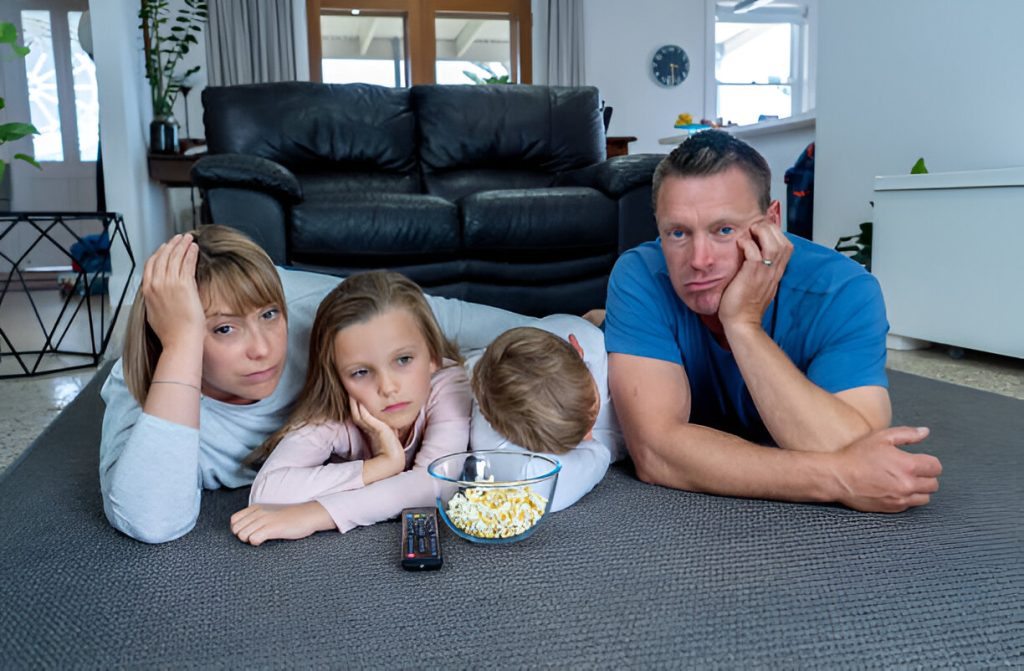
Human beings are inherently social creatures. Relationships and connections play a crucial role in emotional well-being and psychological stability. However, in an increasingly digital and fast-paced world, many people are facing social isolation—a lack of meaningful interaction or connection with others. Whether due to aging, lifestyle, health issues, or global events like the COVID-19 pandemic, the effects of social isolation can be profound and far-reaching.
What is Social Isolation?
Social isolation refers to a state where an individual has minimal contact with others, often lacking close relationships or regular social engagement. It’s different from loneliness, which is a subjective feeling of being alone—even when surrounded by people. Both, however, are deeply interconnected and can negatively impact mental health.
Psychological Effects of Social Isolation
1. Depression and Anxiety
One of the most common effects of social isolation is an increased risk of depression and anxiety. Without regular interaction, people may experience low self-worth, hopelessness, and persistent sadness. The absence of social support also makes it harder to cope with stress and life challenges.
2. Cognitive Decline
Studies show that prolonged isolation can contribute to memory loss and cognitive decline, especially in older adults. Social interaction keeps the brain engaged, helping maintain mental sharpness and reducing the risk of conditions like dementia.
3. Increased Stress and Emotional Distress
Social connections act as a buffer against stress. Without them, stress levels can rise, leading to symptoms like irritability, fatigue, and poor sleep. Over time, chronic stress can weaken the immune system and impact physical health as well.
4. Low Self-Esteem and Identity Issues
Lack of social feedback and validation can cause individuals to lose confidence and question their sense of identity. People may withdraw further, reinforcing the cycle of isolation.
Groups Most Affected
Certain populations are especially vulnerable to social isolation:
- Elderly individuals who may live alone or have limited mobility
- People with disabilities or chronic illnesses
- New parents or caregivers with restricted social lives
- Teens and young adults facing social anxiety or digital dependency
- Remote workers or those living in rural areas
The Role of the COVID-19 Pandemic
The COVID-19 pandemic significantly increased global awareness of social isolation. Lockdowns, quarantines, and remote work led to reduced face-to-face interaction. For many, this resulted in heightened feelings of loneliness, anxiety, and even post-traumatic stress. The pandemic highlighted how crucial human connection is for mental well-being.
Combating Social Isolation
While social isolation can be damaging, there are several ways to combat its effects:
1. Build Routine Connections
Regularly reaching out to friends, family, or neighbors, even through calls or texts, can make a big difference.
2. Engage in Community Activities
Joining local clubs, volunteer groups, or support circles helps foster a sense of belonging.
3. Seek Professional Help
Therapists and counselors can provide guidance and emotional support to those struggling with isolation and its mental health impacts.
4. Use Technology Mindfully
Video calls, social apps, and online communities can help maintain relationships—but it’s essential to balance digital and real-life interactions.
5. Stay Physically Active
Exercise, especially in group settings like walking clubs or dance classes, benefits both mental and physical health.
Conclusion
Social isolation is more than just a lack of company—it’s a public health concern with serious consequences for mental well-being. By understanding its impact and taking proactive steps to stay connected, individuals and communities can promote better mental health and emotional resilience. In a world that’s more connected than ever, it’s essential to ensure that connection goes beyond screens and into real, meaningful relationships.




1 thought on “The Impact of Social Isolation on Mental Health”