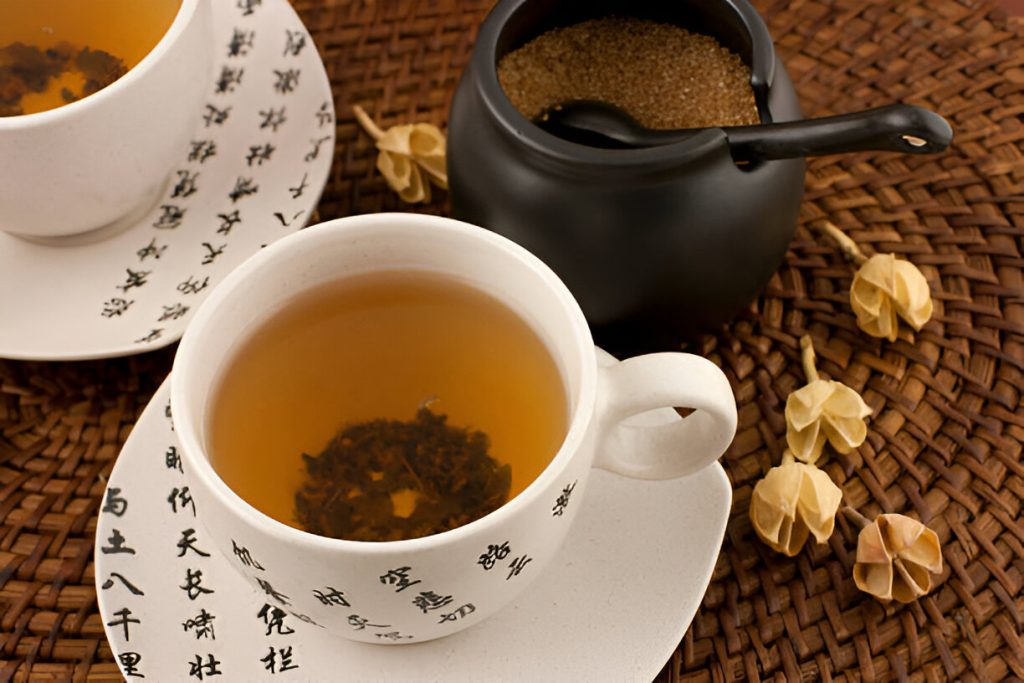
Chinese tea has a history that spans thousands of years, deeply intertwined with the country’s culture, philosophy, and economy. It is more than just a beverage in China—it represents tradition, ceremony, and even diplomacy. This historical analysis explores how Chinese tea evolved from a medicinal herb to a global symbol of hospitality and refinement.
Origins of Chinese Tea
The story of Chinese tea begins as early as 2737 BCE, during the reign of Emperor Shen Nong. Legend has it that tea leaves accidentally blew into the emperor’s boiling water, creating the first tea infusion. While mythical, this tale reflects the ancient recognition of tea’s healing properties.
Early Uses:
- Consumed for medicinal benefits
- Used to aid digestion and detoxify the body
- Mixed with herbs and spices in early preparations
Tea in the Tang Dynasty
The Tang Dynasty (618–907 CE) marked a turning point in Chinese tea culture. Tea drinking became a popular social activity, and tea was often consumed during poetry readings, gatherings, and religious rituals.
Key Developments:
- Emergence of tea houses in cities
- Poet Lu Yu wrote The Classic of Tea (Cha Jing), the first comprehensive guide to tea cultivation and brewing
- Tea became a symbol of sophistication and cultural refinement
Song Dynasty and the Art of Whisked Tea
During the Song Dynasty (960–1279 CE), tea preparation evolved into a refined art form. Tea powder was whisked with water in a ceremonial fashion, a method later adopted by Japan and transformed into the Japanese tea ceremony.
Highlights:
- Emphasis on aesthetic presentation
- Introduction of tea competitions among scholars and aristocrats
- Use of fine porcelain tea bowls
Ming Dynasty and the Rise of Loose Leaf Tea
The Ming Dynasty (1368–1644 CE) revolutionized tea drinking by shifting from powdered tea to loose leaf tea. This led to a new appreciation of the tea leaf’s shape, color, and aroma.
Notable Changes:
- Brewing in teapots became common
- Development of various tea types: green, black, oolong, white, and pu-erh
- Porcelain teaware production flourished, especially in Jingdezhen
Tea as a Trade Commodity
By the 17th century, Chinese tea had become a major export commodity, particularly to Europe. The British East India Company played a pivotal role in introducing Chinese tea to the West, igniting a demand that would reshape global trade.
Impacts:
- Led to the Opium Wars as Britain tried to balance its tea trade deficit
- Tea became central to British culture, inspiring events like afternoon tea
- Spread of tea cultivation to other regions, such as India and Sri Lanka
Tea in Modern Chinese Culture
Today, tea remains a cornerstone of Chinese life. It is served during weddings, business meetings, and daily meals. Regional varieties and preparation styles continue to reflect China’s rich cultural diversity.
Contemporary Practices:
- Kung Fu Tea Ceremony in southern China
- Emphasis on tea health benefits
- Rise of tea tourism and tea appreciation clubs
Conclusion
The history of Chinese tea is a journey through dynasties, philosophies, trade, and cultural transformation. From its mythical beginnings to its global influence, tea has remained a powerful symbol of China’s heritage and identity. Understanding its evolution offers a deeper appreciation of the art, science, and tradition poured into every cup.
4o