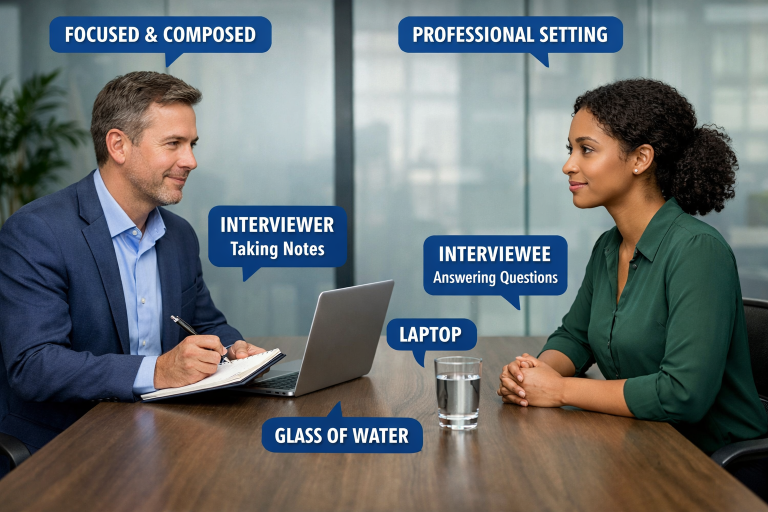
Understanding the Power of Mock Interviews
Stepping into a job interview can be nerve-wracking for even the most prepared candidates. The pressure to present yourself effectively, respond thoughtfully, and make a positive impression is immense. Fortunately, participating in an online mock interview can make all the difference. These simulations mimic real interview scenarios and give candidates a safe space to rehearse and refine their performance, turning nerves into confidence.
Mock interviews provide several important advantages. They allow job seekers to experience the structure and pace of typical interviews, offering a valuable preview of what’s to come. Practicing answers out loud, navigating follow-up questions, and maintaining composure under pressure all increase comfort levels for the big day. Through repetition, individuals become familiar with the process and expectations, reducing anxiety and helping them project self-assurance when it matters most.
By leveraging mock interviews, candidates can openly identify and work on their weak spots, such as pacing, clarity of explanations, or nervous body language. The benefit is not just about smoother answers but also about feeling well-prepared and confident in any professional setting.
The structure and supportive feedback given during mock interview sessions make them an essential tool for interviewees at every experience level. Whether it’s a first job out of college or an executive position, this method equips candidates with the skills and poise to excel in interviews.
Benefits of Engaging in Mock Interviews
- Enhanced Communication Skills: Practicing responses improves the ability to express thoughts clearly, articulately, and impactfully. This is fundamental in interviews, where efficiently expressing qualifications can capture an interviewer’s interest.
- Identification of Weaknesses: Constructive feedback from mock interviewers helps pinpoint areas for improvement. Knowing where you falter, whether with certain questions or non-verbal nuances, allows you to adjust before a real interview.
- Familiarity with Common Questions: Many interviews follow similar formats or ask recurring questions. Exposure to these questions in a mock setting gives candidates an edge by preparing them for what to expect, leading to more thoughtful, practiced answers.
- Improved Non-Verbal Cues: Non-verbal communication often speaks louder than words. Practicing eye contact, posture, and facial expressions in a mock scenario reinforces a positive, confident first impression.
Research Supporting Mock Interviews
Academic and professional research consistently highlights the positive impact of mock interviews on real-world performance. According to a study at the University of Chicago, candidates who practiced under simulated conditions performed approximately 20% better in actual interviews than those who prepared solely through study. The value comes not just from answering questions correctly, but also from managing stress and maintaining composure when required. Additional research from leading sources, such as the Harvard Business Review, confirms that behavioral rehearsal, especially with individualized feedback, improves interview outcomes and boosts job seekers’ overall confidence.
Implementing Effective Mock Interviews
To get the most benefit from mock interview practice, incorporating the following methods is crucial:
- Simulate Realistic Scenarios: Create an environment that closely mirrors real interviews. Use actual job descriptions, impose time constraints, and have someone act as the interviewer using pertinent questions for the industry or role.
- Seek Constructive Feedback: Partner with mentors, trainers, or peers who can offer objective, specific, and actionable feedback. Honest assessments help candidates address weaknesses and reinforce their strengths.
- Record and Review Sessions: Reviewing a recording of the mock session helps catch details you might miss in the moment, such as filler words, posture, or nervous gestures. This ongoing self-assessment lets you track progress and stay focused on growth. For further guidance, Forbes offers expert advice on maximizing the value of mock interviews.
- Practice Regularly: Consistent practice helps ingrain good habits, making responses more natural and authentic. Over time, this repetition diminishes anxiety and ensures candidates walk into interviews feeling poised and ready.
Additional Strategies to Maximize Benefits
While the direct approach of question-and-answer practice is foundational, there are several ways to enhance the effectiveness of mock interviews further. Consider incorporating group mock interview sessions in which candidates observe and provide feedback to peers. This interactive technique helps participants learn from others’ strengths and mistakes while also building skills in providing and receiving constructive feedback. Additionally, exploring unexpected or “curveball” questions during practice can push candidates out of their comfort zones and help them think on their feet, a skill highly valued in real interviews.
Furthermore, integrating mock interviews with broader career development activities, such as resume reviews, LinkedIn profile optimization, and networking exercises, can result in a holistic preparation approach. This combination prepares individuals not just for individual interviews but for long-term career advancement, professional communication, and personal brand building.
Some candidates also benefit from using technology, such as AI-powered mock interview platforms that provide instant feedback on tone, pace, and keyword usage. These platforms can supplement human-run mock interviews and add another layer of objective analysis to the preparation process.
Real-Life Success Stories
Personal anecdotes illustrate the tangible benefits of mock interviews. One marketing graduate, for example, struggled with communication under high pressure. After several rounds of mock interviews and feedback, they secured a highly sought-after internship, attributing their newfound confidence to the practice sessions. Others recount similar progress, moving from nervous and uncertain to comfortable and engaging interviewees who can navigate tough questions with ease. Beyond securing jobs, these individuals notice lasting impacts in everyday professional interactions, from presentations to networking events.
For instance, a technology professional found that regular participation in mock interviews helped them develop not just interviewing skills, but also improved their ability to deliver compelling presentations and manage difficult work conversations. This skill set translated into recognition from supervisors and opportunities for career growth. Similarly, students preparing for graduate school interviews noted that the confidence gained from mock interviews enabled them to present themselves authentically and effectively, thereby increasing their chances of admission to competitive programs. These stories demonstrate the wide-ranging benefits that extend beyond job interviews alone.
Conclusion
Confidence is a differentiator in today’s competitive job landscape. Mock interviews bridge the gap between theoretical preparation and practical performance, providing a supportive environment to build poise and self-belief. Whether just starting a career or aiming for a next-level position, investing in mock interview practice equips candidates with the composure and skill to shine in any interview. By dedicating time to this proven method, individuals increase their chances of career success and gain lifelong communication and confidence skills.



