Straight teeth help you chew, speak, and smile with less strain. They also protect your gums and jaw. Many parents wait until a problem hurts. That delay often leads to longer treatment and higher costs. You can avoid that. When you understand common orthodontic services, you can act early and protect your family’s health.
This guide explains four services many families choose. You will see how each one works, who it helps, and what to expect during care. You will also learn simple questions to ask before you start treatment. That way you feel prepared, not rushed.
If you already see a provider for family dentistry in Phoenix AZ, you may recognize some of these options. You can use this information to plan your child’s care and your own. Careful choices today help your family bite, smile, and breathe with more comfort over time.
1. Traditional Metal Braces
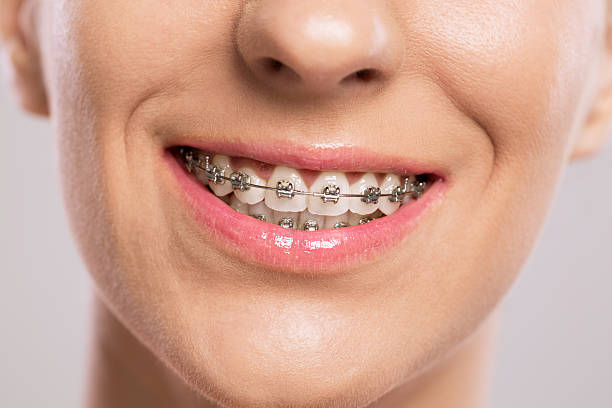
Metal braces are the most common orthodontic service. They use small brackets on each tooth. A wire connects the brackets. Your orthodontist tightens the wire during visits. That steady pressure moves teeth into better positions.
Metal braces work for children, teens, and adults. They treat crowded teeth, gaps, overbites, underbites, and crossbites. You see them often on middle school and high school students. You may also see more adults wearing them now. Many people choose metal braces because they are strong and reliable.
During treatment you visit the office every four to eight weeks. You may feel some pressure after each visit. You can manage that with soft food and simple pain relief. You need to brush and floss with care. Food can trap around brackets and wires. That buildup can cause cavities if you ignore it.
The American Dental Association explains how braces protect long-term health, not just looks.
2. Clear Aligners
Clear aligners use thin plastic trays that fit over your teeth. You wear each set of trays for one to two weeks. Then you switch to the next set. Each new tray moves your teeth a small step.
Aligners work best for mild to moderate crowding or spacing. They also help with some bite problems. Many adults and older teens choose aligners because they are hard for others to see. You remove them to eat, drink, brush, and floss.
You must wear aligners most of the day. Most plans ask for at least 20 to 22 hours of wear time. If you forget to wear them, treatment slows or fails. You also need safe storage when you eat. Many trays end up in the trash by mistake.
Aligners do not fit every mouth. Large gaps, rotated teeth, and strong bite problems may need braces. A trained orthodontist can review your teeth and bite. That person can tell you if aligners will work for you or your child.
3. Early Interceptive Orthodontics
Early interceptive care starts while your child still has baby teeth. The goal is to guide jaw growth and create space for adult teeth. This early care often shortens or simplifies braces later.
Common early services include
- Simple braces on front teeth
- Expanders that widen the upper jaw
- Space maintainers that hold space for adult teeth
The American Association of Orthodontists suggests that every child see an orthodontist by age 7. You can see the guidance at the AAO Child Orthodontic Visit. By that age, your child has a mix of baby and adult teeth. The orthodontist can see crowding, jaw shifts, and bite problems early.
Early care helps you
- Reduce the chance of permanent tooth removal later
- Lower the need for jaw surgery when older
- Protect teeth that stick out and chip easily
You still may need braces as a teen. Yet phase one care often makes that second phase shorter and simpler.
4. Retainers and Long Term Maintenance
Retainers keep teeth in their new positions after braces or aligners. Teeth can shift throughout life. Your tongue, lips, and chewing all put steady pressure on teeth. Without retainers, many teeth move back toward their old spots.
Common types of retainers include
- Removable clear retainers that look like aligner trays
- Removable wire retainers that cover front teeth
- Fixed retainers that bond to the back of front teeth
You often wear retainers full-time at first. Then you shift to nighttime wear. Some people need retainers a few nights per week for life. That can feel like a burden. Yet it protects the time and money you put into treatment.
Retainers also need care. You should clean them daily. You should keep them away from heat and strong cleaners. You should store them in a case, not in a pocket or napkin.
Comparison of Common Orthodontic Services
| Service | Best For | Typical Age | Visibility | Office Visit Needs |
|---|---|---|---|---|
| Traditional metal braces | Simple to complex tooth and bite problems | Children, teens, adults | Easy to see | Every 4 to 8 weeks |
| Clear aligners | Mild to moderate crowding or spacing | Older teens and adults | Hard to see | Every 6 to 10 weeks |
| Early interceptive care | Jaw growth and space for adult teeth | Children around age 7 to 10 | Mix of simple devices | Varies by device |
| Retainers | Keeping teeth in new positions | After braces or aligners | Clear or low profile | Checkups as advised |
How To Choose What Your Family Needs
You do not need to decide alone. You can start with three steps.
- Schedule an orthodontic check for every child by age 7
- Ask for clear pictures and plain language about your options
- Compare time, cost, and daily care for each choice
You should also share your child’s habits. Mouth breathing, thumb sucking, and teeth grinding all affect treatment. You should bring a list of medicines and health concerns. That helps the orthodontist plan care that fits your family.
Orthodontic care can feel heavy. You face time, cost, and change in your daily life. You also carry worry for your child. Clear facts lower that fear. When you understand these four common services, you can ask sharper questions. You can choose care that protects chewing, speech, and breathing for years.