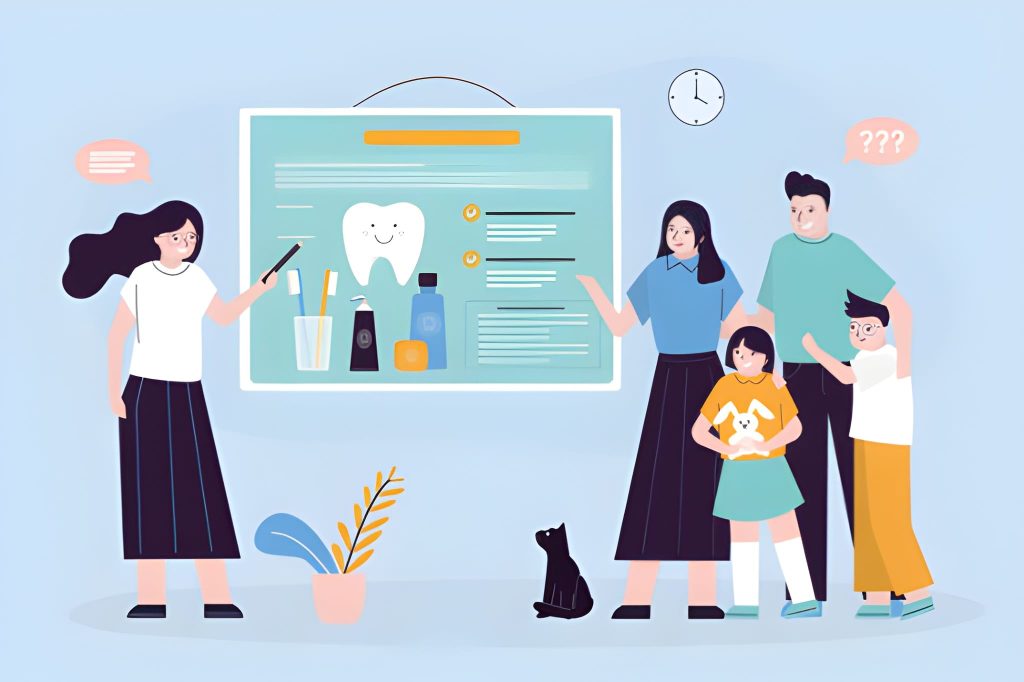
Your child’s teeth shape how they eat, speak, and smile. You want to protect that. Yet busy days, snacks, and screen time can quietly wear down their mouth. Cavities, pain, and late night searches for an emergency dentist in Hoffman estates then feel sudden. They are not. They build over time. This blog shares 6 practical tips general dentists give parents every day. You can use these at home without special tools. You will see how small steps with brushing, snacks, and checkups lower the risk of pain. You will also learn when to call the dentist before a small problem turns into a crisis. These habits protect your child’s comfort, sleep, and confidence. They also protect your time and money. Start with one tip, then add the next two. You will give your child strong teeth that last.
1. Set a simple brushing and flossing routine
You do not need special gadgets. You only need a steady habit. Dentists suggest:
- Brush two times a day for two minutes.
- Use a pea sized smear of fluoride toothpaste once your child can spit.
- Help your child brush until at least age 7 or 8.
- Floss once a day where teeth touch.
You can use a small timer or a short song. You can stand behind your child and guide their hand. You can focus on three spots. Front. Cheek side. Tongue side.
The Centers for Disease Control and Prevention explains that tooth decay is one of the most common chronic health problems in children. Regular brushing with fluoride lowers this risk.
2. Control snacks and drinks between meals
Food choice is only part of the story. Timing matters too. Each time your child eats or sips, germs in the mouth use sugar to make acid. That acid attacks the teeth.
You can protect teeth with three simple steps.
- Keep water as the main drink between meals.
- Save juice, sports drinks, and milk for mealtimes.
- Offer snack foods that do not stick to teeth.
Good snack choices include cheese, nuts if safe, yogurt, and crisp fruits or vegetables. Sticky snacks like fruit rolls, gummy candy, and crackers cling to teeth and feed decay.
The National Institute of Dental and Craniofacial Research notes that sugar and frequent snacking raise the risk of decay. Fewer snack times mean fewer acid attacks.
3. Use fluoride and sealants as protection
Fluoride makes tooth enamel harder. It helps repair weak spots before they turn into holes. Sealants cover the deep grooves on back teeth where a brush cannot reach well.
You can ask your dentist about three tools.
- Fluoride toothpaste for daily home use.
- Fluoride varnish during dental visits.
- Sealants on permanent molars once they come in.
These steps do not replace brushing. Instead they add a shield. They are quick and painless. They also protect teeth during the years when your child may rush or skip brushing.
4. Keep regular checkups and cleanings
You may wait for pain before you call the dentist. That delay often leads to longer visits and hard choices. Early visits catch soft spots, crowding, and gum problems before they spread.
Most dentists suggest a visit every six months. Some children need more frequent visits due to higher risk. At each visit the team can:
- Remove plaque and tartar.
- Check for early decay.
- Review brushing and flossing technique.
- Watch jaw growth and tooth spacing.
You can bring a list of questions. You can ask about thumb sucking, grinding, mouth breathing, and sports guards. You can also ask your dentist to show you any spots they want you to watch at home.
5. Protect teeth during sports and rough play
One hard hit can chip or knock out a tooth. Mouthguards help cushion that impact. Many parents think only contact sports need guards. In truth, any sport with speed, balls, or falls can harm teeth.
You can protect your child by:
- Using a mouthguard for sports like football, soccer, basketball, hockey, and martial arts.
- Talking with your dentist about a custom mouthguard if your child wears braces.
- Storing the guard in a clean, vented case.
You can also set clear rules at home. No running with objects in the mouth. No using teeth to open packages. No chewing ice or hard candy.
6. Know what to do in a dental emergency
Even with good habits, accidents happen. A fast, calm response can save a tooth. You do not need medical training. You only need a simple plan.
You can post your dental office phone number on your fridge and in your phone. You can also know these quick steps.
- Toothache. Rinse the mouth with warm water. Use floss to clear food. Call the dentist.
- Chipped tooth. Save any pieces in clean milk. Call right away.
- Knocked out permanent tooth. Pick it up by the crown, not the root. Rinse gently if dirty. Try to place it back in the socket. If you cannot, store it in milk and go to the dentist or emergency room at once.
You do not need to wait for office hours. Many dentists have after hours instructions.
How daily habits compare
The table below shows how common habits affect your child’s mouth health over time.
| Habit | Short term effect | Long term effect | Simple change you can make today |
|---|---|---|---|
| Brushing once a day | Mouth feels somewhat clean | Higher plaque and decay risk | Move to two times a day for two minutes |
| Frequent sugary snacks | Quick energy and taste | More cavities and sensitive teeth | Limit snacks and offer water between meals |
| No fluoride toothpaste | Teeth feel clean | Weaker enamel and more decay | Use a pea sized smear of fluoride paste |
| Skip regular checkups | Less time off school and work for now | Late detection and more complex treatment | Schedule visits every six months |
| No mouthguard during sports | More comfort for your child | Higher risk of broken or lost teeth | Use a mouthguard for sports and active play |
Bring it together for your family
You do not need to fix everything at once. You can pick one habit this week. You can add a second habit next month. You can involve your child in choices. Let them pick a toothbrush color. Let them choose a two minute song. Let them help track checkup dates on a calendar.
These small, steady steps guard your child from pain and fear. They keep school days on track. They keep nights quiet. They also teach your child that their body is worth care and respect. That lesson lasts far beyond childhood.