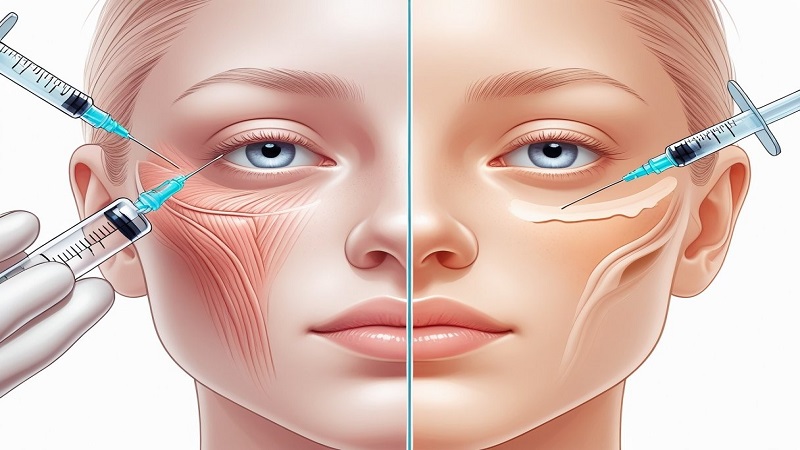
Navigating the world of cosmetic treatments can be overwhelming, especially when it comes to understanding the differences between popular options like Botox and dermal fillers. Many people use these terms interchangeably, yet they work in completely different ways to address aging concerns.
Botox temporarily relaxes muscles to reduce wrinkles, while dermal fillers add volume to fill in lines and restore facial contours. This fundamental difference means each treatment serves distinct purposes and delivers different results. Botox works best for dynamic wrinkles that appear with facial movements, while fillers excel at addressing static wrinkles and volume loss.
Understanding these differences helps individuals make informed decisions about which treatment might best address their specific concerns. The right choice depends on factors including the treatment area, desired outcome, and how long results should last.
Understanding Botox and Dermal Fillers
Both Botox and dermal fillers are popular minimally invasive cosmetic treatments, but they work in fundamentally different ways and address distinct signs of aging.
What Is Botox?
Botox is a brand name for botulinum toxin type A, a purified neurotoxin protein derived from the bacterium Clostridium botulinum. This neuromodulator works by temporarily blocking nerve signals to muscles, causing them to relax and soften.
When injected in small, controlled amounts, Botox effectively reduces dynamic wrinkles—those formed by repetitive muscle movements like frowning, squinting, or raising eyebrows. Common treatment areas include forehead lines, crow’s feet, and glabellar lines (the “11s” between eyebrows).
Besides Botox Cosmetic, other FDA-approved botulinum toxin products include Dysport, Xeomin, Jeuveau, and the newer, longer-lasting Daxxify. These injectables typically last 3-4 months before a touch-up is needed.
Beyond cosmetic applications, Botox has therapeutic uses for conditions like chronic migraines and hyperhidrosis (excessive sweating). Treatment must be administered by a qualified professional such as a cosmetic dermatologist or plastic surgeon.
What Are Dermal Fillers?
Dermal fillers are injectable substances designed to restore volume, smooth lines, and enhance facial features. Unlike Botox, fillers physically fill in areas that have lost volume due to aging or genetics.
The most common fillers are hyaluronic acid-based (like Juvederm, Restylane, and Belotero), which naturally attract and bind water molecules to create volume. These typically last 6-18 months depending on the specific product and treatment area.
Other filler types include calcium hydroxylapatite (Radiesse), poly-L-lactic acid (Sculptra), and PMMA (polymethyl methacrylate) collagen fillers. Each has unique properties and longevity profiles.
Dermal fillers effectively address static wrinkles—lines visible even when your face is relaxed. They’re commonly used for nasolabial folds, marionette lines, lip augmentation, cheek enhancement, and tear trough correction.
Key Differences Between Botox and Dermal Fillers
Mechanism of Action:
- Botox: Relaxes muscles to prevent wrinkle formation
- Fillers: Add volume to fill wrinkles and enhance features
Treatment Areas:
|
Botox |
Dermal Fillers |
|
Forehead lines |
Cheeks |
|
Crow’s feet |
Lips |
|
Frown lines |
Nasolabial folds |
|
Bunny lines |
Tear troughs |
Duration of Results: Botox typically lasts 3-4 months, while fillers can last anywhere from 6 months to 2+ years depending on the product and area treated.
Target Concerns: Botox addresses dynamic wrinkles caused by muscle movement, while fillers treat static wrinkles and volume loss. For comprehensive facial rejuvenation, many patients combine both treatments to achieve their aesthetic goals.
Side effects differ as well. Botox may cause temporary weakness in nearby muscles, while fillers might produce swelling or bruising. Both are generally considered safe when administered by skilled professionals.
Comparing Benefits, Risks, and Suitability
Both Botox and dermal fillers offer unique advantages for facial rejuvenation, but they differ significantly in application, results, and potential side effects. Understanding these differences helps patients make informed decisions based on their aesthetic goals and medical considerations.
Common Treatment Areas and Results
Botox excels at treating dynamic wrinkles caused by muscle movement, particularly in the upper face. It effectively addresses forehead lines, glabellar lines (between eyebrows), crow’s feet, and bunny lines across the nose.
Dermal fillers target static wrinkles and volume loss. They’re ideal for nasolabial folds, marionette lines, cheek augmentation, and lip enhancement. Fillers can also correct facial asymmetry by strategically adding volume where needed.
The results differ noticeably. Botox creates a smoother appearance by relaxing facial muscles, reducing the intensity of expressions that cause wrinkles. Fillers physically fill in creases and restore lost volume, often stimulating collagen production for additional benefits.
For comprehensive rejuvenation, many practitioners recommend combination treatments. This approach addresses both movement-related lines with Botox and volume-related concerns with fillers for more harmonious results.
Safety, Side Effects, and Aftercare
Both treatments have strong safety profiles when administered by qualified professionals, but they carry different risks.
Botox side effects typically include:
- Temporary bruising, redness, or swelling at injection sites
- Headache or flu-like symptoms
- Potential drooping eyelids if the product migrates
Filler complications may involve:
- Injection site reactions (bruising, swelling, redness)
- Lumps or asymmetry if improperly placed
- Rare but serious risks of tissue death (necrosis) or vascular complications
Aftercare differs between treatments. Botox patients should remain upright for 4 hours after treatment and avoid exercise for 24 hours. Filler recipients should avoid pressure on treated areas and postpone strenuous activities for 24-48 hours.
Both procedures benefit from avoiding blood-thinning medications before treatment to minimize bruising. Cold compresses can help reduce swelling for either treatment.
Longevity, Maintenance, and Cost
Botox typically lasts 3-4 months before muscle movement gradually returns. Maintenance requires regular appointments, though some patients need less frequent treatments over time.
Fillers offer longer-lasting results, varying by product type:
- Hyaluronic acid fillers: 6-18 months
- Calcium hydroxylapatite: 12-18 months
- Poly-L-lactic acid: up to 2 years
Cost considerations favor Botox for smaller treatment areas, averaging $300-500 per session. Fillers generally cost $600-1,000 per syringe, with multiple syringes often needed for desired results.
The investment reflects not just the product but the injector’s expertise. Experienced practitioners may charge premium rates but typically deliver more natural-looking results with fewer complications.
Geographic location significantly impacts pricing, with metropolitan areas commanding higher rates than rural locations. Many providers offer package deals for ongoing maintenance to make treatments more affordable.