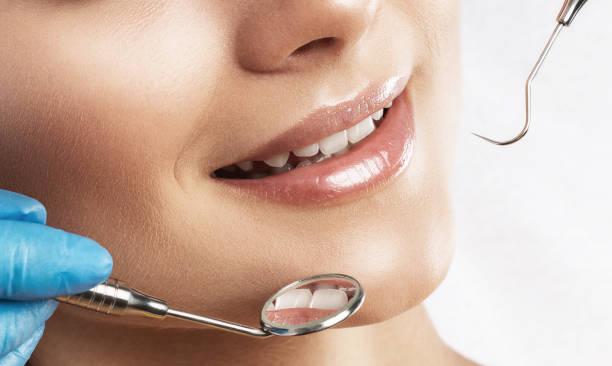
Your mouth affects how you feel, how you speak, and how others see you. Oral health and cosmetic restorations are not separate. They work together. When your gums are inflamed or your teeth are decayed, cosmetic work will not last. Crowns, veneers, and dental implants in Rutherford, NJ all rely on healthy bone and gums. Poor brushing, smoking, and skipped checkups slowly damage that foundation. That damage then weakens your cosmetic work. This can lead to pain, infection, and more costs. It can also drain your confidence. You deserve a smile that looks strong and feels strong. You also deserve clear facts, not confusion. This blog explains how oral health supports cosmetic restorations, what can go wrong, and how you can protect your investment. You will see why daily care, routine checkups, and early treatment matter before and after any cosmetic work.
Why Oral Health Comes First
You may focus on how your teeth look. Yet your gums and bone control how long that new smile lasts. Tooth decay and gum disease are infections. They eat away at hard and soft tissue. They also invite bacteria to spread.
According to the Centers for Disease Control and Prevention, untreated cavities and gum disease are common in adults and children. These problems do not stay on the surface. They reach the roots of teeth and the bone that holds teeth in place.
When you treat these problems first, you give any crown, veneer, or implant a stronger base. You also lower your risk of sudden pain, broken work, or tooth loss after you invest in cosmetic care.
How Common Cosmetic Restorations Depend On Oral Health
Each type of cosmetic restoration needs certain conditions in your mouth. If those conditions are missing, the work can fail early.
| Restoration Type | What It Does | What Your Mouth Needs First | What Can Go Wrong Without Good Oral Health |
|---|---|---|---|
| Crowns | Cover and protect a damaged tooth | Clean tooth, no active decay, healthy gums | Decay under crown, loose fit, infection, tooth fracture |
| Veneers | Change the shape and color of front teeth | Strong enamel, no gum swelling, stable bite | Chipping, staining at edges, gum recession that exposes margins |
| Dental implants | Replace missing teeth with posts in the bone | Enough bone, no gum infection, no heavy smoking | Implant loosening, bone loss, infection around the implant |
| Tooth-colored fillings | Repair small to medium cavities | Dry, clean tooth surface, controlled decay | Leaking edges, new decay, sensitivity, fracture |
Gum Health And Your Cosmetic Work
Gums frame your smile. They hold teeth in place and shield the bone. When gums swell or bleed, they signal disease. That disease can damage cosmetic work in three main ways.
- It loosens the grip of gums on teeth.
- It causes bone loss around teeth and implants.
- It exposes edges of crowns and veneers to bacteria.
The National Institute of Dental and Craniofacial Research explains that untreated gum disease can lead to tooth loss and bone loss.
When you calm gum disease before cosmetic work, you protect both your health and your wallet. You cut the chance that your restoration will need early repair or replacement.
Everyday Habits That Protect Restorations
Your daily choices control the future of your cosmetic work. Dental visits and home care matter just as much as the treatment day. Three habits stand out.
- Consistent brushing and flossing. Brush twice a day with fluoride toothpaste. Floss once a day. Focus on the edges where restorations meet your natural tooth. That line collects plaque and food.
- Regular checkups and cleanings. Professional cleanings reach spots that brushes miss. Exams catch small cracks, leaks, or gum changes before they grow.
- Food and drink choices. Limit sugary drinks and snacks. Choose water, dairy, vegetables, and whole grains. These support stronger teeth and gums.
When you follow these three steps, you lower the chance of decay around crowns and veneers. You also support bone health around implants.
Medical Conditions And Medications
Your body and mouth are linked. Some health conditions and medications affect healing and bone. Diabetes, dry mouth, and autoimmune disease can change how your gums and bone respond to treatment.
Many common medications reduce saliva. That dryness raises your risk of decay. It can also cause soreness around restorations. You should tell your dentist about every prescription and over the counter product you use. Together you can plan care that protects your restorations and respects your overall health.
Preparing For Cosmetic Restorations
Before you commit to cosmetic treatment, you can take simple steps to secure long term success.
- Ask for a full exam with X rays and gum measurements.
- Treat cavities and gum disease first.
- Talk about any habits like grinding or smoking.
- Review your medical history and medications.
- Set clear goals for comfort, function, and appearance.
This planning stage may feel slow. Yet it often prevents future emergencies, infection, and broken work. It respects your time, money, and health.
Protecting Your Investment Over Time
Cosmetic restorations are not a one time event. They require upkeep. You protect your investment when you do three things over the years.
- Keep a set recall schedule. Many people need visits every six months. Some need them more often if they have gum disease or implants.
- Use any guards or devices your dentist provides. Night guards reduce grinding damage. Retainers keep teeth from shifting.
- Report new symptoms early. Sensitivity, bleeding, or a change in bite are warning signs. Quick care usually costs less and hurts less.
Key Takeaways For You And Your Family
You deserve a mouth that feels strong, works well, and looks like you. Cosmetic restorations can support that goal. Yet they cannot replace basic oral health. Strong gums and bone come first. Daily care, regular checkups, and early treatment form the base.
When you care for your mouth before and after cosmetic work, you avoid many problems. You lower pain. You cut surprise costs. You also protect your confidence when you smile, speak, eat, and laugh with people you love.