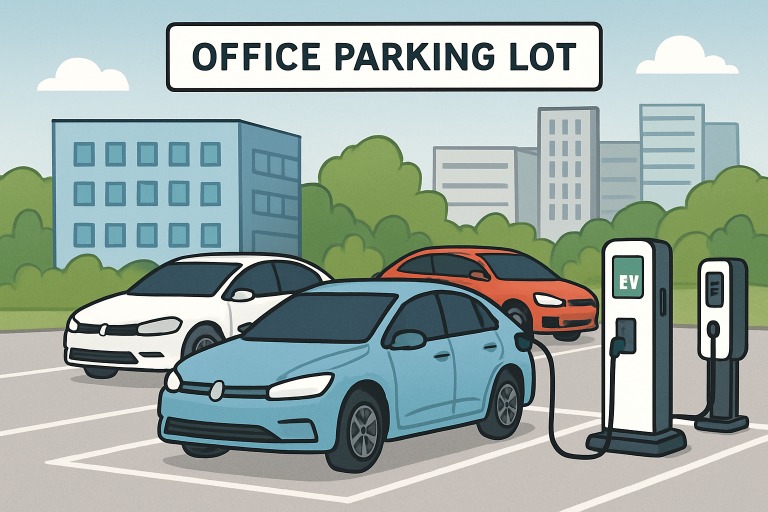
As electric vehicles (EVs) rapidly become more mainstream, organizations are under increasing pressure to provide reliable charging solutions at the workplace. Employees now expect charging access where they spend much of their day, making it essential for forward-thinking employers to address this trend proactively. Installing EV chargers not only supports sustainability efforts but also enhances a company’s image, helping to attract environmentally conscious talent and business partners. Commercial charging infrastructure, such as Blink’s commercial charging, plays a pivotal role in enabling this transition for companies of all sizes by delivering scalable, convenient options for workplace environments.
This shift towards workplace charging is driven by the growing number of EVs on the road and by evolving legislative frameworks that encourage green transportation initiatives. As companies navigate the challenges and benefits of implementation, many are also influenced by evolving consumer and employee expectations about corporate responsibility and environmental stewardship. Successful integration of workplace charging can help businesses meet emission reduction targets and deliver long-term operational benefits.
Proactive employers are viewing EV charging not just as an amenity, but as a strategic component of their broader sustainability and workforce engagement goals. The pursuit of best practices and innovative solutions will distinguish industry leaders as the world moves steadily toward electrified transport.
To support the journey, this article explores the growing demand for workplace charging, highlights its benefits, addresses implementation challenges, showcases technological advancements, reviews government support, and shares case studies and future trends shaping the workplace charging landscape.
Rising Demand for Workplace Charging
Workplace charging demand has accelerated in tandem with EV adoption. For example, research shows that workplace charging sessions surged by 64% in 2023, while the number of available charging ports rose by only 22%. This growing gap signifies that infrastructure hasn’t kept pace, leaving many employees searching for reliable charging during office hours. Businesses looking to address this challenge can find detailed guidance on planning and implementing EV charging at work through resources like the Department of Energy. With the electric vehicle market projected to continue its rapid expansion, the business case for investing in workplace charging has never been more transparent.
Benefits of Workplace EV Charging
- Employee Satisfaction: Offering charging options at work demonstrates an employer’s commitment to staff well-being, making it easier for those with EVs to meet their daily charging needs. Modern EV drivers are likely to prioritize workplaces that offer robust charging amenities.
- Environmental Impact: Increasing access to charging supports the adoption of cleaner vehicles, helping companies meet internal climate goals and comply with broader decarbonization objectives set at municipal or national levels.
- Corporate Image: A forward-thinking approach to EV infrastructure can significantly enhance a brand’s reputation. Companies leading in green transportation are often better positioned to foster relationships with eco-conscious clients and partners and to feature their efforts in sustainability reporting.
Challenges in Implementation
While the benefits are substantial, implementing workplace charging is not without hurdles:
- Infrastructure Costs: The upfront cost for acquiring and installing charging stations remains a primary barrier, especially in facilities with older electrical systems that may require upgrades.
- Space Constraints: Especially in urban or high-density office locations, dedicating parking spots to EV infrastructure requires careful planning and sometimes trades off with traditional parking.
- Maintenance Requirements: Routine maintenance is necessary to minimize downtime and extend the life of charging equipment. Investing in innovative charging management systems can help streamline ongoing operational needs.
Technological Advancements
The ongoing advancement in charging technologies has enabled more efficient and scalable workplace installations. The Megawatt Charging System (MCS), for instance, targets ultra-fast charging for commercial vehicles and sets the stage for eventual applications in high-traffic workplace environments. Smart charging hardware and software now make it easier for companies to monitor usage patterns, implement demand response, and even integrate renewable energy sources, reducing overall operating costs.
Additionally, advancements in connectivity make the charging process more seamless for employees through features such as mobile reservations and remote monitoring, while also providing data insights that help optimize infrastructure planning.
Government Initiatives and Incentives
At both federal and state levels, governments are rolling out policies and financial incentives to accelerate the expansion of workplace EV infrastructure. Employers looking to adopt charging solutions can find detailed state-by-state planning and resources on EV charging infrastructure at the DOE’s alternative fuels data center, which outlines available programs, best practices, and implementation strategies. Tax incentives for hardware and installation costs are also available in many regions, though eligibility may depend on meeting specific criteria and deadlines. As regulatory frameworks evolve, employers must stay up to date on changing policies and funding opportunities to maximize their investment in workplace charging.
Best Practices for Employers
- Assess Employee Needs: Start with a survey to gauge EV adoption among staff and forecast future requirements. This foundational step ensures that initial investments align with actual needs and expected growth.
- Plan for Scalability: Design the system with modular expansion in mind. Install conduit and electrical upgrades to support more chargers as demand increases.
- Partner with Experts: Work with experienced vendors and contractors who understand workplace challenges and can recommend tailored solutions and best-in-class products.
- Communicate Policies: Develop clear, equitable policies around charger use, reservations, and maintenance. Transparency ensures fair access and minimizes workplace conflicts.
Future Outlook
With legislation and consumer sentiment both supporting a shift to greener transportation, forward-thinking employers will continue to play a pivotal role in the EV ecosystem. As charging systems become more efficient and less expensive, workplace charging will become a standard amenity, essential to talent attraction and retention and a necessary component of any sustainability program. Investing in workplace EV infrastructure now will not only future-proof business operations but also help advance a cleaner, more intelligent, and more connected transportation network in the years to come.



